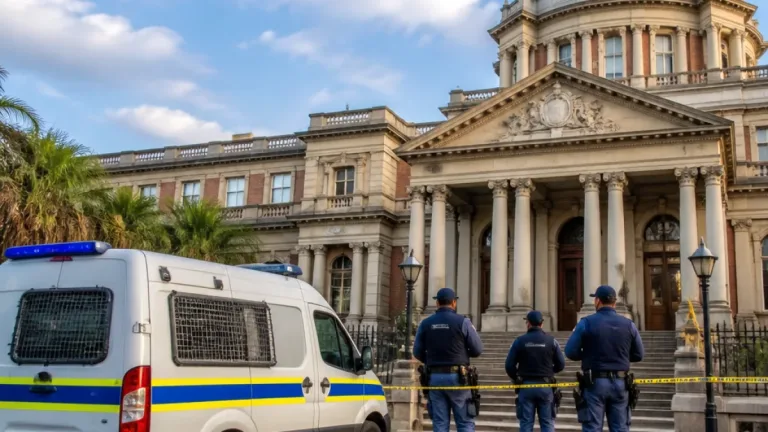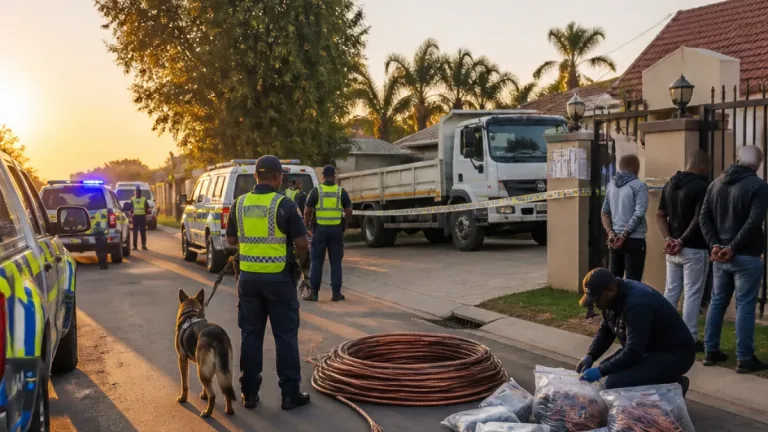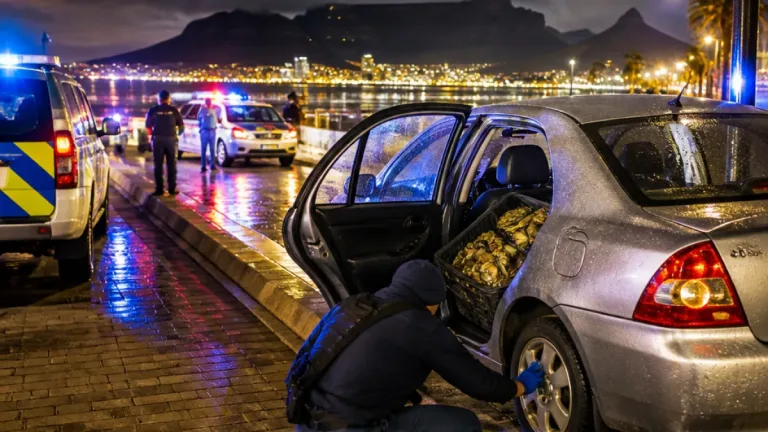
KwaZulu-Natal provincial commissioner Lieutenant‑General Nhlanhla Mkhwanazi has publicly questioned whether a single, centrally controlled South African Police Service is still the best model for ensuring safety and security across the country, saying the issue must now be addressed by Parliament and the Minister of Police.
Call for a national debate on policing structure
Mkhwanazi raised the concern at a recent Parliamentary Summit on gang‑related violent crime, where he asked whether it remains necessary for one entity to control the policing function nationally. The comment was cited by the Institute of Race Relations in reporting on the summit.
“I’m challenging us to think about whether it is still necessary to have one entity that is controlling one central part of a country to be responsible for safety and security of the citizens of the Republic of South Africa,” the provincial commissioner said.
The intervention adds fresh urgency to an ongoing national conversation about policing capacity and accountability. Advocates for reform argue that decentralised policing could enable local priorities to be set closer to communities, improve investigative capacity at station level and allow better integration with municipal safety initiatives.
Trust levels and resourcing cited as reasons for change
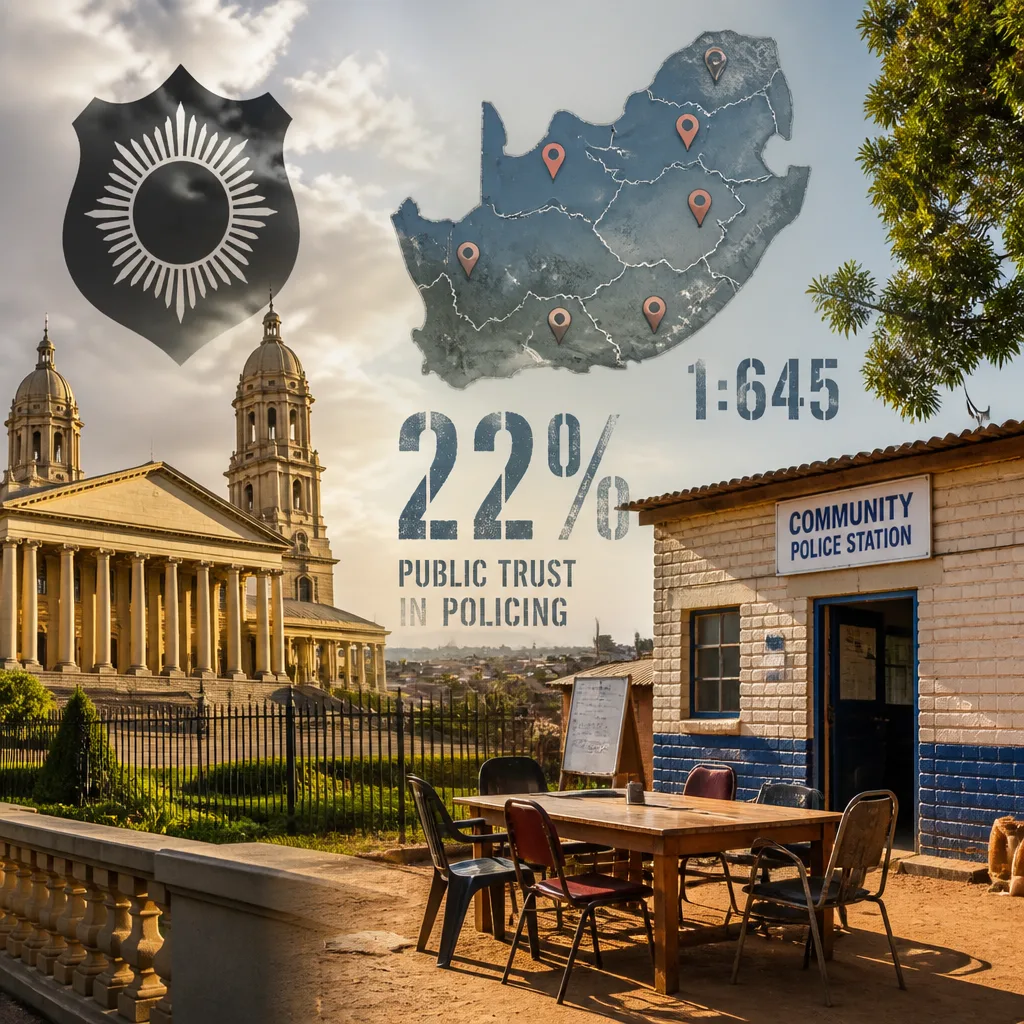
The IRR’s commentary referenced national data showing low public confidence in the SAPS and persistent resourcing shortfalls in high‑crime areas. It highlighted that, according to Human Sciences Research Council figures, only 22% of South Africans trust the police — a statistic used to underline the depth of the challenge facing law enforcement.
In addition, the IRR cited provincial reporting showing stark disparities in police capacity. For example, in parts of the Western Cape the ratio of police to residents was reported as 1 officer for every 645 residents, which the IRR said illustrates how overwhelmed stations can be in high‑crime communities.
| Metric | Figure |
|---|---|
| Public trust in SAPS (HSRC) | 22% |
| Police‑to‑resident ratio (Western Cape example) | 1:645 |
Such figures were used by the IRR to support its policy paper advocating for greater local control over policing functions, including investigative responsibilities and the setting of operational priorities.
Arguments for localised policing
- The IRR argued decentralisation would allow evidence‑based, locally tailored policing strategies.
- It said local control could improve accountability and restore public trust by aligning resources to local needs.
- The report suggested that professional, properly equipped local staff would be better placed to address organised crime where it is concentrated.
“The only way to restore trust in policing in this country is to ensure that local governments, such as SA’s largest metros, are empowered to make evidence‑based decisions tailored to local challenges with staff that are professional and equipped to do their jobs,” IRR researcher Chris Patterson said in the commentary.
Those arguing against decentralisation warn that fragmenting responsibility could create inconsistencies in standards, training and oversight; however, Mkhwanazi’s intervention places the question squarely before national lawmakers and the police minister.
Parliament, the Minister of Police and the SAPS will now face pressure to respond to the questions raised at the summit and in the IRR paper. Any shift towards devolving substantive policing powers to provincial or municipal bodies would require careful consideration of constitutional, budgetary and operational implications, including who would fund and manage investigations, training and specialised units.
For now, the call from a senior serving provincial police official for a national debate on the centralised policing model marks a notable moment in the policy conversation about how best to tackle violent and organised crime across South Africa.