Water‑quality crisis clouds Knysna estuary
Newly published monitoring results contained in a parliamentary reply have once again put the environmental health of the Knysna Estuary under scrutiny. According to the information cited by the Democratic Alliance (DA), 10 of 14 sampling sites around the lagoon system failed to meet the required recreational water‑quality standards, with some sites recording E. coli levels up to 51 times the safe limit.
The estuary — which stretches from the Knysna Heads to the Charlesford Weir and covers roughly 1 366 to 1 633 hectares — is both ecologically sensitive and central to Knysna’s tourism and recreational life. The DA said the data indicate municipal wastewater infrastructure failures are allowing contaminated effluent to reach the lagoon.
- 10 of 14 sampling sites failed recreational water standards.
- Some locations recorded E. coli up to 51 times the safe limit.
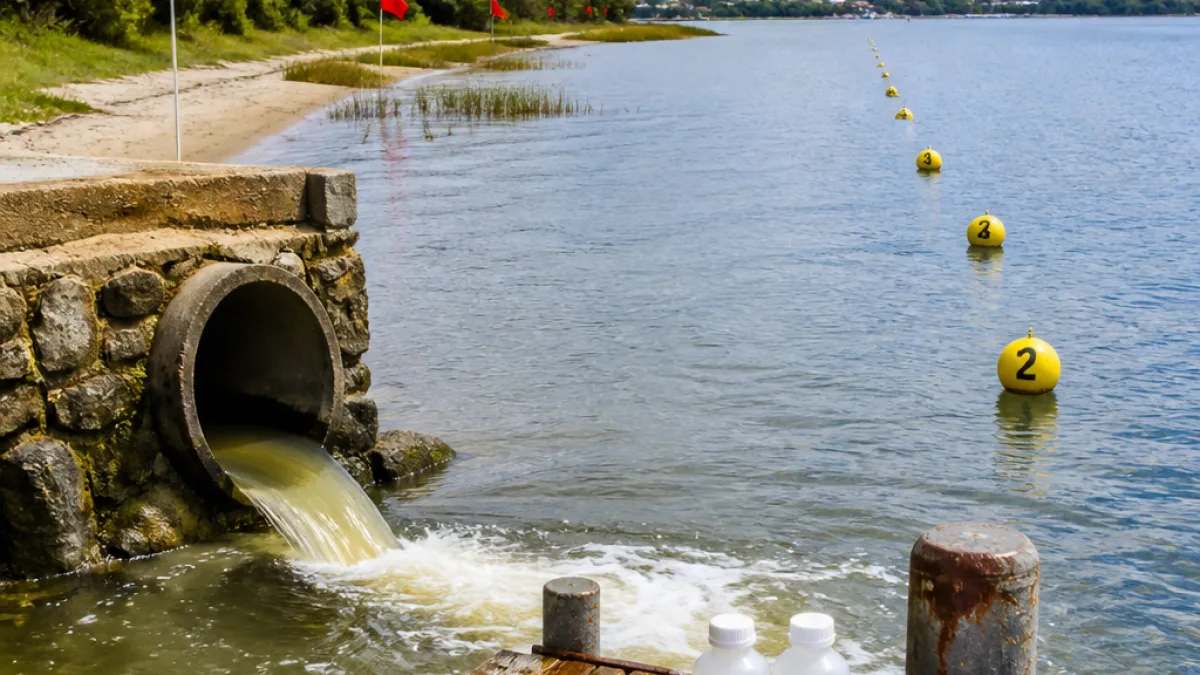
- Final effluent from Knysna Wastewater Treatment Works reportedly exceeded safe E. coli limits by more than 11 times.
The parliamentary reply also reportedly shows that final effluent discharged from the Knysna Wastewater Treatment Works had E. coli readings exceeding the safe limit by more than 11 times — a finding that points to sewage contamination entering the estuary from municipal systems rather than isolated point sources.
“The data exposes the catastrophic cost of municipal collapse in Knysna,” said DA Western Cape spokesperson Dave Bryant, according to the party. “When local wastewater treatment facilities are allowed to discharge contaminated effluent into a protected marine habitat, it is an absolute failure of governance.”
Mr Bryant further accused the local ANC‑led coalition of failing to protect the estuary and public health and warned of consequences for Knysna’s tourism economy if the pollution continues.
Local residents and businesses rely on the estuary for recreation, livelihoods and the town’s appeal to visitors. High bacterial contamination presents immediate public‑health risks for those swimming, boating or otherwise in contact with estuary waters and raises longer‑term ecological concerns for fish, birdlife and the estuary’s unique habitats.
| Measure | Reported result |
|---|---|
| Sampling sites failing standard | 10 of 14 |
| Maximum E. coli exceedance | 51 times the recreational safe limit |
| Final effluent exceedance | More than 11 times the safe limit |
Municipal wastewater infrastructure has been an ongoing issue in many towns, with ageing or overloaded treatment works unable to meet effluent standards. The parliamentary reply does not, in the material cited by the DA, provide a detailed technical cause for each exceedance; rather it reports the monitoring outcomes and links the contamination to municipal discharges.
For residents this raises two immediate questions: who is responsible for remedying the overloaded or malfunctioning infrastructure, and what interim measures will protect public health and tourism? The DA has framed the findings as a governance failure by the local coalition and is urging urgent remedial action.
Until specific responses or corrective plans from the municipality are published, residents are advised to exercise caution around the estuary where contamination has been reported. Environmental and health authorities typically use such monitoring to issue advisories for recreational contact; the information in the parliamentary reply suggests some parts of the estuary are currently unsafe for direct water contact.
The Knysna Estuary’s condition is not only a local environmental indicator but a barometer for the town’s economic resilience. The interplay between municipal capacity, environmental stewardship and tourism livelihoods will determine whether the estuary is restored to a state that is safe for people and wildlife, or whether further harm to both health and the local economy ensues.