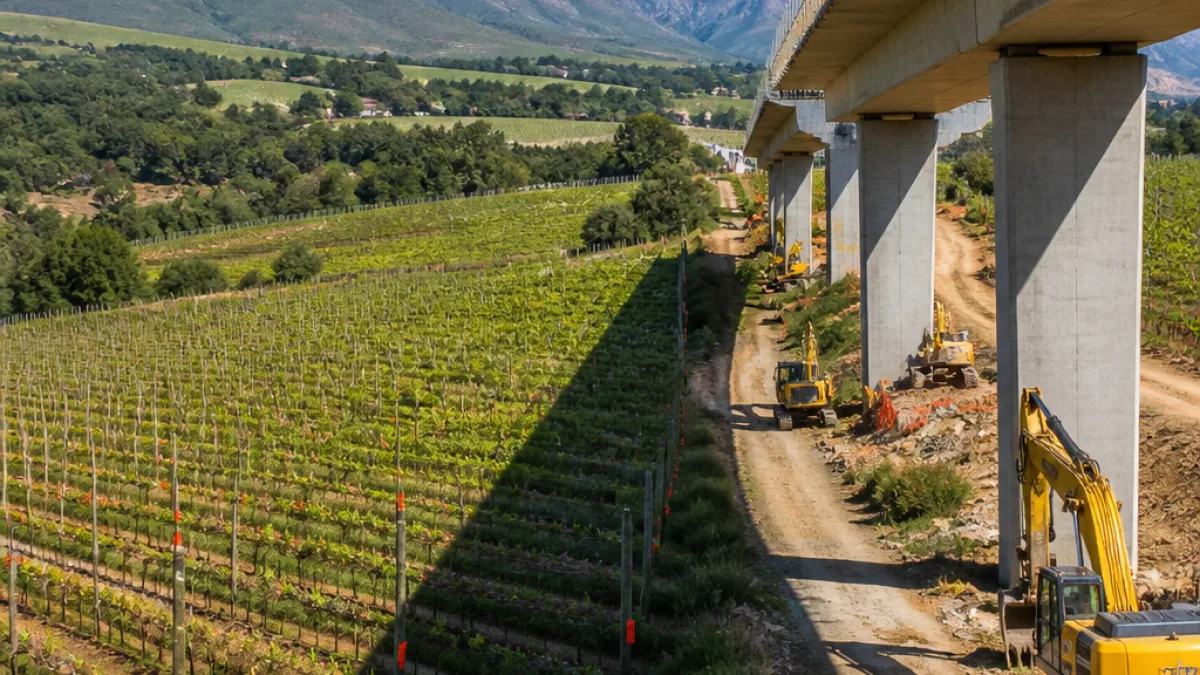
The prospect of a major redesign of the R44 between Stellenbosch and Somerset West has crystallised local opposition, with winemakers and residents warning that plans — which include a possible flyover — could carve through centuries‑old vineyards and permanently change the visual and working landscape of the Cape Winelands.
Concerns over landscape, farms and character
Opponents, including farm owners and nearby homeowners, say the scale of the proposed works would amount to a "concrete monstrosity" that risks damaging not only productive agricultural land but also the historic and scenic qualities that underpin the region's tourism and wine industries. They argue the proposal could disrupt working farms and the estate-driven rural character that attracts visitors and supports local livelihoods.
The Western Cape provincial government points to earlier, more modest work on the route: smaller‑scale upgrades to the R44 were completed in February 2021 to ease heavy traffic flows between the two towns. Those interventions sought to address congestion but did not include the larger structures now reported in the new scheme.
What is at stake
The stretch of road targeted lies at the heart of a region known internationally for its vineyards, historic estates and scenic drives. Any substantial change to the road corridor can affect:
- Agricultural operations — access, irrigation and farm layouts can be altered by new alignments or footprints.
- Heritage and landscape — historic vineyards and estate settings contribute to cultural value and tourism appeal.
- Traffic and safety — proponents argue upgrades will improve vehicle flow and reduce congestion but the form of those upgrades is contested.
Process and public interest
At this stage, reporting indicates the discussion has moved beyond minor improvements to a scheme that some believe would be transformative. The provincial administration has not published comprehensive details of the full proposal in the material available with this report, and it is not yet clear what statutory processes — including environmental and heritage assessments or public consultation — will be followed if the project advances.
For residents and producers, the immediacy of the issue centres on transparency and consultation. Changes to a route like the R44 do not affect only road users but can have cascading effects on municipal planning, property values, farm operations and the visitor economy.
Practical considerations for residents and road users
- Those using the R44 should expect prolonged debate and potential traffic disruption if construction proceeds; alternative routes between Stellenbosch and Somerset West would need to be considered during works.
- Landowners and businesses adjacent to the R44 should monitor provincial notices and municipal planning bulletins for formal consultations or notices of intent.
- Heritage and conservation stakeholders may seek to review any environmental impact assessments once they are available.
| Year | Action |
|---|---|
| 2021 | Provincial government completed smaller upgrades to the R44 in February 2021 to ease traffic. |
| 2026 | Reports emerge of a proposed larger overhaul, including a flyover, prompting local objections. |
Voices in the debate
“A bold flyover and wide concrete structures could permanently change the face of the winelands,”
is how some opponents have characterised the proposal in press coverage. Supporters of major upgrades generally cite the need to address congestion and improve traffic flow on one of the province’s key regional routes; however, detailed official commentary on the broader scheme has not been made available alongside the initial reporting.
The R44 upgrade discussion illustrates the tension common to many growing Western Cape corridors: balancing mobility improvements with protection of agricultural land, heritage values and the visual character that help define towns such as Stellenbosch.
Residents, farm owners and interested organisations will be looking for clear timelines, published plans and formal opportunities for input from the provincial government and relevant municipalities. In the absence of those documents, the debate is likely to remain heated as stakeholders await concrete proposals and statutory processes.
For now, the 2021 smaller‑scale works remain the last confirmed intervention on this stretch of road. Any move toward larger construction will need to reconcile transport objectives with the enduring commercial and cultural value of the Western Cape’s winelands.