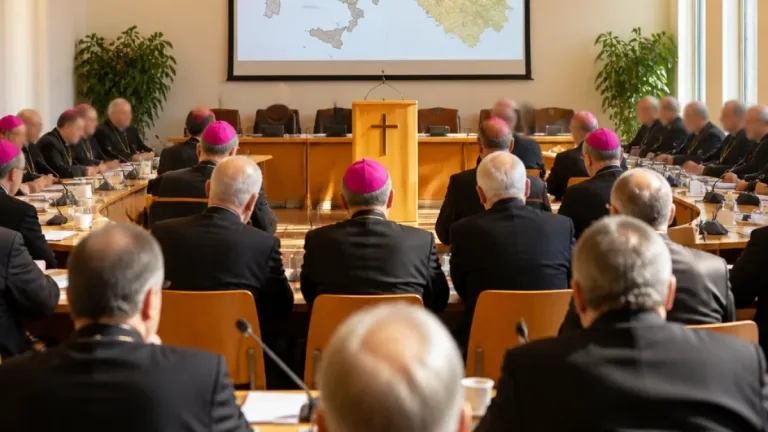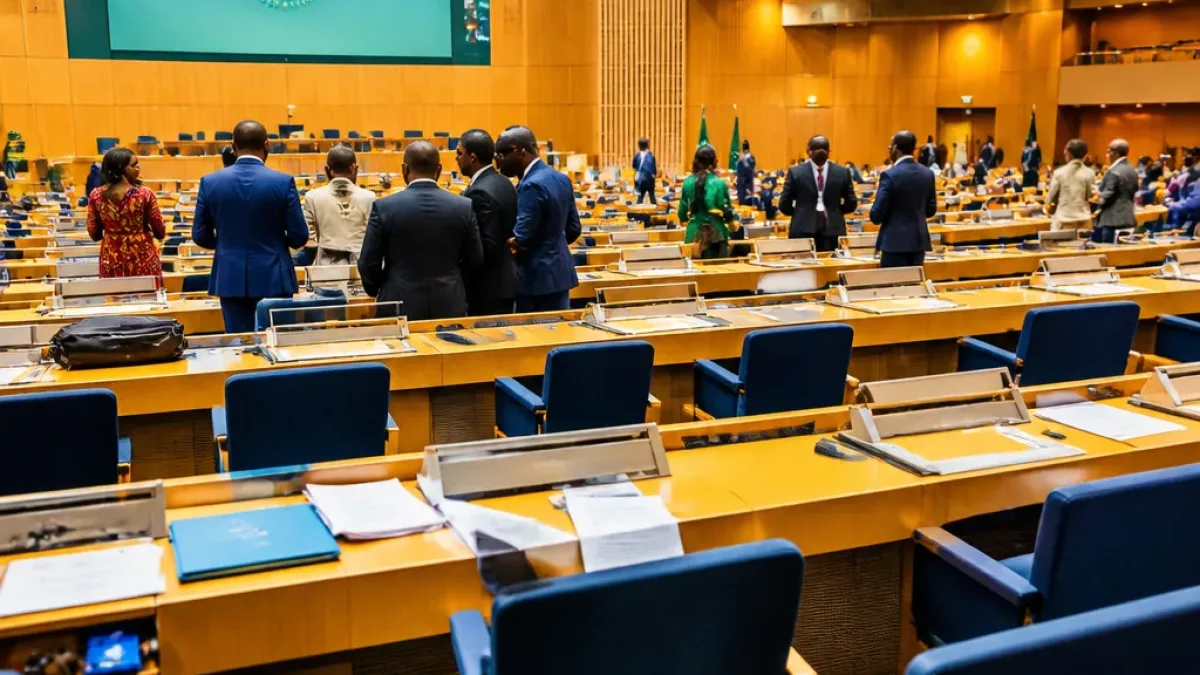
ADDIS ABABA — A session of the UN Intergovernmental Panel on Climate Change (IPCC) in Addis Ababa, Ethiopia, was suspended after delegates failed to agree on the publication schedule and budget for the seventh assessment cycle, known as AR7.
Assessment timing at the centre of disagreement
The central dispute concerns whether the three parts of the AR7 assessment should be published before the end of the second UN Global Stocktake, scheduled for the end of 2028. Some countries, including several European states, small island developing states, least developed countries, and many Latin American and developed countries, argue the assessment must be completed before that deadline so its findings can inform negotiation and policy decisions.
Opposing delegations — reported to include roughly a dozen developing countries, the Russian Federation and others — have pushed for a later publication schedule. They say more time is needed to allow additional research from Global South scientists and to avoid imposing an excessive burden on experts involved in the reports.
Scientists pledge to press on
After the session was suspended, nearly 120 of the 664 assessment authors signed an open letter stating they would continue working on the AR7 reports "rigorously, promptly and inclusively," according to reporting by Climate Home News cited in the session summary.
| Metric | Value |
|---|---|
| Assessment authors in AR7 | 664 |
| Authors signing open letter | Nearly 120 |
The IPCC Secretariat said the release dates for the three AR7 reports and the budget remain open for further discussion. The plenary session and consideration of unresolved issues are to resume at the earliest opportunity, but no specific date has been announced. Some delegates from developing countries and small island states left Ethiopia earlier than planned to catch flights home, which contributed to the suspension of business.
"These past months have been among the most turbulent for the climate science body," IPCC Chair Jim Skea said, adding he was "deeply disappointed by the lack of compromise," according to the Earth Negotiations Bulletin.
Why the timing matters
The Global Stocktake is a formal process under the UN Framework Convention on Climate Change that assesses collective progress towards the goals of the Paris Agreement. An IPCC assessment published after key political decisions are taken in that process risks being less useful to negotiators and policymakers who rely on the latest synthesis of climate science, impacts, and mitigation and adaptation options.
Those urging an earlier AR7 release argue policymakers need the most current, peer-reviewed scientific assessment to inform nationally determined contributions, finance decisions and adaptation planning. Delegations pressing for delay emphasise capacity constraints in parts of the Global South and seek additional time to ensure broader regional representation in the evidence base.
- Practical consequence: If AR7 is delayed past the 2028 Stocktake, negotiators may lack a contemporaneous synthesis of scientific findings when making policy decisions.
- Scientific consequence: Authors say they will continue work so the assessment remains rigorous and timely, but an unresolved schedule could affect coordination and the scope of the final reports.
- Financial consequence: The IPCC's budget for the assessment cycle is still undetermined, leaving uncertainty about resources available to support authors and contributors, particularly from developing countries.
The suspension highlights a recurring tension within international science–policy bodies: balancing the demand for authoritative, timely scientific assessments with the political realities and capacity differences of member states. For countries such as South Africa, the outcome will influence when and how the latest IPCC findings feed into national climate policy, planning and international negotiations.
The IPCC has not set a new date for reconvening the plenary to resolve these issues. In the meantime, a substantial number of AR7 authors have signalled their intention to press on with the scientific work despite the diplomatic impasse.