The group of persistent pollutants known as PFAS (per‑ and polyfluoroalkyl substances) may finally have met a treatment that not only captures them but also degrades them, according to laboratory results reported this week. In a 58‑day experiment, a membrane device removed more than 90% of each of six tested PFAS chemicals and stripped roughly 83% of the fluorine targeted by the treatment.
What the findings mean
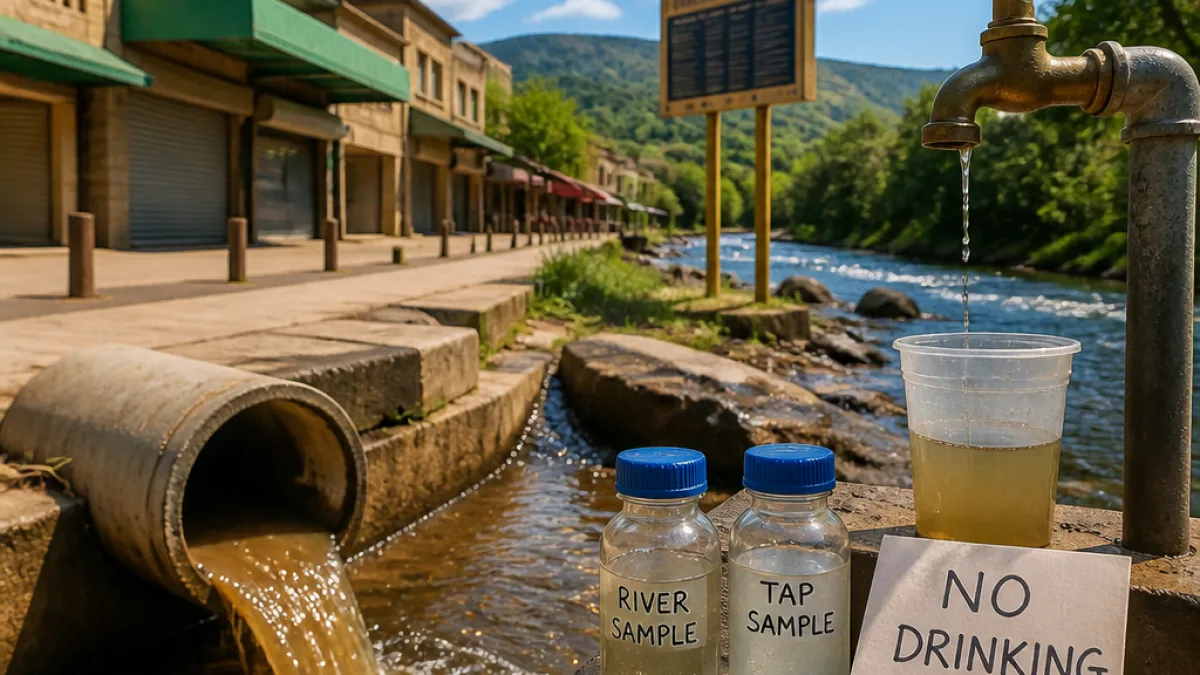
PFAS are widely used in products from non‑stick cookware to firefighting foams because the carbon‑fluorine bond they contain is exceptionally strong. That same chemical stability makes them difficult to break down in the environment, and they have been detected in rivers, groundwater, soil and in living organisms. Certain PFAS exposures have been associated with immune disruption, raised cholesterol, reproductive effects and some cancers, creating pressure on scientists and water managers to find effective removal and disposal options.
Current water‑treatment options such as activated carbon and reverse osmosis are effective at isolating PFAS but typically do not chemically destroy them. These processes transfer the contamination into spent filters or concentrate it in waste streams that require further handling or disposal. The membrane tested in the recent experiment is designed to both capture PFAS and catalyse chemical reactions that break the strong carbon‑fluorine bonds, reducing the pollutant load rather than simply concentrating it.
“PFAS contain an exceptionally strong carbon‑fluorine bond, which makes them highly resistant to breakdown,” said Vasilis Vasiliou of the Yale School of Public Health in an unrelated 2025 interview quoted in the report, noting why the chemicals persist in water, soil and organisms.
Laboratory scope and limits
The results come from a controlled laboratory experiment that ran for 58 days and tested the membrane against six PFAS chemicals. The device removed in excess of 90% of each tested compound and stripped about 83% of the targeted fluorine. The work was led by researchers including Bruce Rittmann at an Arizona research group, according to the report.
These results are promising but should be read cautiously. Laboratory performance does not always translate directly to treatment systems at municipal or industrial scale. Important questions remain about long‑term membrane durability, throughput, energy use, the fate of degradation by‑products, operational costs and how the technology handles complex, real‑world water matrices that contain a mix of organic matter, salts and other contaminants.
- Captured vs destroyed: Conventional treatments typically capture PFAS; this membrane aims to destroy a substantial portion of the contaminant.
- Scale‑up challenges: Lab success must be followed by pilot and field trials to assess real‑world performance and economics.
- Environmental safety: Tracking the breakdown products and ensuring they are less harmful than parent PFAS is essential.
Context for South Africa and beyond
While the study was conducted abroad, the problem of persistent chemical contaminants is relevant globally. South Africa, like other countries, faces constraints in water infrastructure and the costs of advanced treatment. A technology that can reliably destroy PFAS rather than concentrate them could reduce the long‑term burden of managing contaminated wastes and lessen environmental accumulation if it proves practical at scale.
Before that can happen, independent replication, transparent reporting of by‑products, and pilot projects in diverse water types will be necessary. If those steps confirm the laboratory findings, the new membrane approach could become an option for wastewater and drinking‑water utilities grappling with PFAS contamination.
| Metric | Result (lab test) |
|---|---|
| Removal of six PFAS compounds | >90% each |
| Fluorine stripped | ~83% |
| Duration | 58 days (laboratory) |
In sum, the membrane represents an important step in PFAS research because it addresses both capture and degradation. However, the transition from promising laboratory device to a reliable, affordable treatment for municipal or industrial use will require several stages of testing and validation to confirm safety, cost‑effectiveness and operational feasibility.