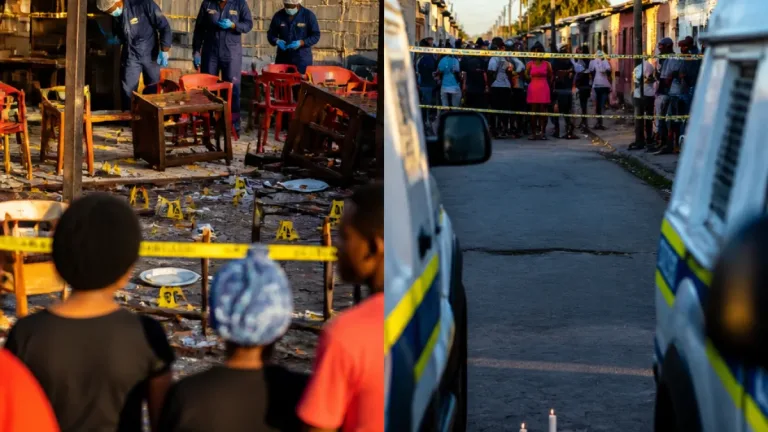
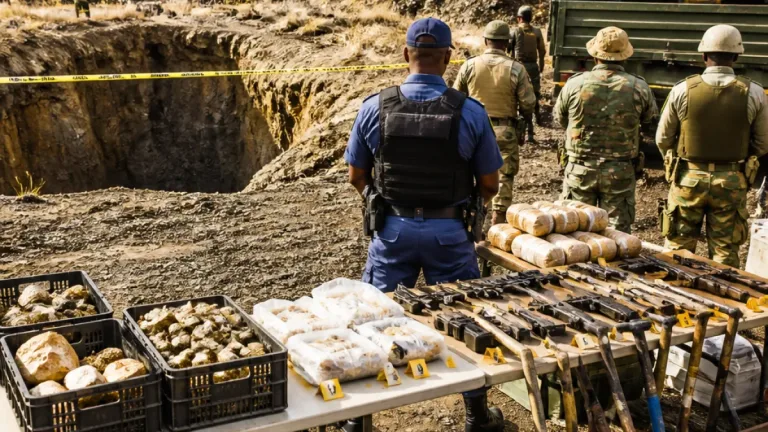
Durban — Evidence presented at the Madlanga Commission this week painted a troubling picture of policing in KwaZulu‑Natal, where 149 people died in 77 task‑team operations described as shootouts — and, according to the Independent Police Investigative Directorate (IPID), not one officer has been convicted in those cases.
What the commission heard
IPID deputy director Len John told the inquiry that the cases involved specialised police units set up to fight organised crime, yet the evidence suggested those units may have become entangled in the criminal networks they were meant to dismantle. Testimony raised concerns about disputed shootouts, late crime‑scene reporting and an apparent attitude among some officers that their role was to kill suspects rather than arrest them.
“go out to kill”
The short, stark phrase — reported by IPID as reflecting how some officers operated — underpinned a wider narrative the commission heard: that task teams ostensibly created to combat cash‑in‑transit robberies and serious organised crime were allegedly being used against suspected CIT criminals, taxi operators and people linked to rival drug networks.
Questions about post‑shooting procedures
IPID told the commission it had encountered cases in which operations were reported late, meaning investigators arrived only after police had left the scene. In some matters, the available evidence did not support police claims that suspects had fired first. Those gaps complicate efforts to establish whether shootings were lawful or whether suspects were denied the chance of arrest and due process.
Links beyond policing
Evidence presented expanded beyond the immediate circumstances of the shootings to allege wider corruption and criminality involving the tow‑truck industry in parts of KwaZulu‑Natal. The commission heard allegations that some tow‑truck operators were paid for referrals after crashes, and that vehicles suspected of transporting drugs were protected from search in return for payments to certain officers.
Those submissions suggested intersections between policing, the illicit drug trade, taxi operations and tow‑truck turf disputes — a complex web that, if proven, would point to systemic problems rather than isolated incidents.
Data presented to the inquiry
| Metric | Figure |
|---|---|
| Police task‑team cases cited | 77 |
| Deaths in those operations | 149 |
| Convictions of task‑team members (in those cases) | 0 |
What this means for communities
Families of the deceased, communities affected by violent crime and citizens demanding accountable policing will be watching the commission closely. The allegations — if substantiated — point to the potential abuse of specialised policing powers and failures in oversight and investigation that undermine public confidence in law enforcement.
- IPID raised concerns about disputed accounts of suspects firing first.
- Late reporting of crime scenes hampered independent investigations, IPID said.
- Alleged links between police, tow‑truck operators, taxi networks and drug syndicates were presented to the commission.
The Madlanga Commission is tasked with probing police conduct across a range of matters, and the evidence heard in KZN will form part of its broader findings. The absence of convictions in the 77 cases referenced by IPID raises hard questions for the SAPS leadership, oversight bodies and prosecutors about how deadly operations are authorised, reported and reviewed.
Responses and next steps
The reporting to the commission came from the Independent Police Investigative Directorate and related testimony; the inquiry will continue hearing evidence and compiling findings. Any criminal or disciplinary referrals arising from the commission’s work would follow standard processes for investigation and possible prosecution.
Communities seeking clarity and accountability will need both transparent findings from the commission and action — whether through criminal prosecutions, disciplinary outcomes or changes to how specialised units operate — to restore faith in law enforcement. For now, the figures presented — 149 deaths, 77 cases, zero convictions — form a stark reminder of the stakes involved in the commission’s work.
Further hearings are expected to explore these allegations in more detail and to test evidence from SAPS, IPID and other witnesses called before the commission.