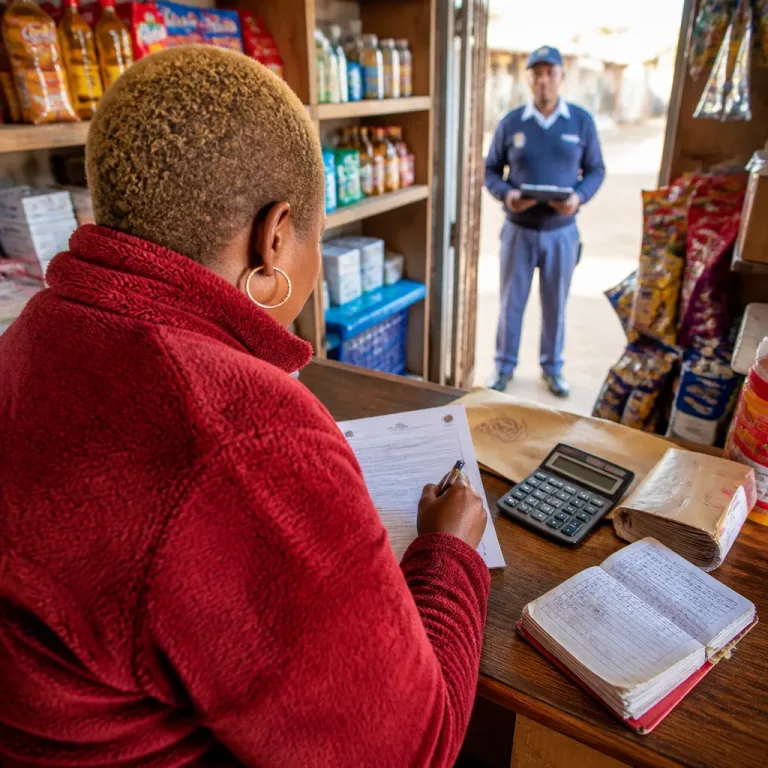

Gauteng recorded further job losses in the second quarter of 2026 as South Africa’s unemployment crisis deepened, according to the latest Quarterly Labour Force Survey (QLFS) published by Statistics South Africa. The national unemployment rate rose to 33.6% while the number of unemployed people increased by 345,000, the survey reported.
Gauteng’s employment picture
The QLFS shows total employment in Gauteng at 5.094 million in Q2 2026. That figure masks a decline in the number of people employed in the province: employment fell by 22,000 between Q1 and Q2 2026, and was down by 92,000 year‑on‑year.
Statistics South Africa’s methodology counts people working in formal and informal sectors as well as those employed in private households, meaning the provincial total is comprehensive across different types of work. Despite this, the province’s unemployment rate remained high at 33.5% in Q2.
Mixed trends across metros
The QLFS highlighted divergent employment trends among the country’s major economic centres. Cape Town shed jobs in the quarter, reporting a decline of 19,000 employed people between Q1 and Q2, while eThekwini showed employment growth.
- eThekwini’s employed population increased by 30,000 from Q1 to Q2 and by 90,000 year‑on‑year, leaving its unemployment rate at about 21.2%.
- Cape Town’s employed numbers fell from 1.863 million to 1.843 million, lifting its unemployment rate from 21.4% to 21.9%.
What the numbers mean locally
For Gauteng — the country’s economic heartland and home to Johannesburg and Pretoria — the loss of tens of thousands of jobs adds pressure to households already dealing with high living costs, transport challenges and intermittent municipal service constraints. Job losses can feed into higher reliance on social grants, increased informal sector activity, and greater demand for municipal services in townships and suburbs alike.
Local stakeholders have repeatedly called for targeted interventions to spur employment in manufacturing, construction and services, sectors that traditionally absorb large numbers of workers. The QLFS results will likely intensify calls for a co‑ordinated jobs programme that combines public investment, support for small businesses and incentives for hiring.
Key Q2 2026 labour figures
| Area | Employed (Q2 2026) | Quarterly change | Unemployment rate (Q2) |
|---|---|---|---|
| South Africa (national) | — | +345,000 unemployed | 33.6% |
| Gauteng (province) | 5.094 million | −22,000 | 33.5% |
| Cape Town (metro) | 1.843 million | −19,000 | 21.9% |
| eThekwini (metro) | 1.290 million | +30,000 | ~21.2% |
Practical implications and what to watch
Residents and local leaders should expect the QLFS findings to shape policy debates in the coming weeks. Practical areas to watch include:
- Provincial and municipal budget allocations for job‑creation programmes and small business support;
- National policy responses, including any announcements on public employment schemes or incentives for private sector hiring;
- Sectoral performance — particularly construction, manufacturing and services — where targeted interventions can deliver rapid employment gains.
Statistics South Africa’s QLFS provides the most recent snapshot of the labour market, but analysts caution that quarterly swings can reflect seasonal and measurement factors as well as underlying economic trends. Still, the scale of the quarterly increase in unemployment — 345,000 more people out of work nationally — underlines the urgency of steps to revive employment.
Municipal officials, business chambers and social partners in Gauteng are likely to press national government and the provincial administration for co‑ordinated measures to arrest job losses and stimulate hiring. For households across the province, the immediate concern remains steady income and work opportunities as the country continues to grapple with a fragile recovery.
Statistics South Africa published these figures in its Q2 2026 Quarterly Labour Force Survey, which is the primary source for the data reported here.