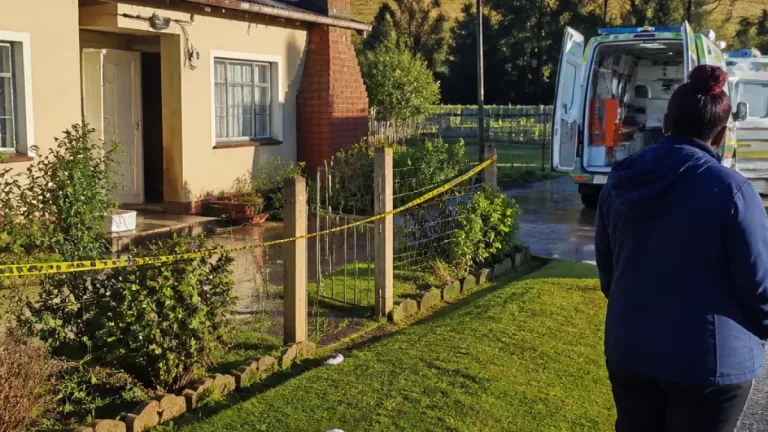
Nelson Mandela Bay — Emergency medical personnel in the Eastern Cape are reporting what they describe as an ambulance service pushed to the brink, with frontline crews frequently left with only a handful of properly equipped vehicles to respond to calls.
Frontline reality vs. official numbers
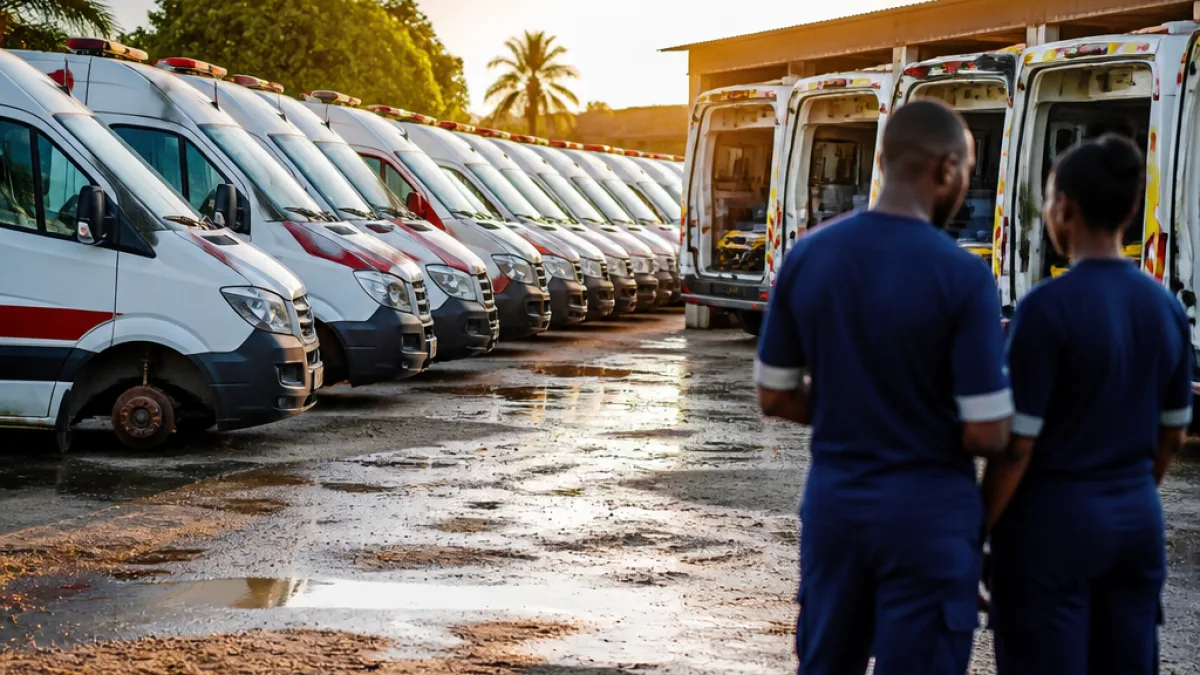
On the ground at bases such as Dora Nginza, experienced ambulance crews told reporters the situation is dire: many vehicles are out of service, essential equipment such as stretchers and oxygen cylinders is missing, and some ambulances break down while on duty.
“It is very, very sad to see where the service is right now. And the public don’t know half of it,”
One source who spoke on condition of anonymity said that on some days only two or three ambulances in Gqeberha are actually available to assist with calls, and often only one of several vehicles at a base is fully equipped.
“Today they ran about four or five vehicles, but only one of them was fully equipped. All of them don’t have stretchers,”
The Eastern Cape Department of Health supplied figures in response to a written question from DA MPL Jane Cowley. According to Health MEC Ntandokazi Capa, the province has 353 ambulances in its fleet, of which 161 are grounded and 192 are operational. The department’s own data also show a decline in operational vehicles over recent years — four years ago there were 244 operational ambulances.
What crews describe
Frontline workers described a pattern of vehicles running with engine or mechanical problems. In one video provided to reporters, an ambulance was seen emitting smoke from its engine bay while lacking both oxygen cylinders and a stretcher inside — equipment ordinarily considered essential for emergency responses.
Personnel say the service is experiencing more than mechanical failure: they report a hollowed-out division, diminished capacity to respond to emergencies, and worsening working conditions that they consider life-threatening both to patients and staff.
- Grounding of vehicles reduces effective response numbers on shift.
- Missing stretchers and oxygen cylinders limit clinical care en route.
- Mechanical failures can leave crews and patients stranded during transfers or on-scene care.
Data at a glance
| Metric | Number |
|---|---|
| Total ambulances in fleet | 353 |
| Grounded ambulances | 161 |
| Operational ambulances | 192 |
| Operational ambulances (four years ago) | 244 |
Implications for emergency care
Ambulance availability is a core element of pre-hospital emergency care. Fewer operational vehicles and missing essential equipment reduce the system’s surge capacity and increase response times, particularly in urban centres such as Gqeberha where demand is high.
Frontline workers argue the official figure of ambulances classed as operational does not reflect whether those vehicles are fully equipped and safe to use. That discrepancy matters when patients require oxygen, immobilisation or safe transfer on a stretcher.
What is known and what remains unclear
The provincial department has provided totals for fleet size and the number of vehicles reported as grounded or operational. What remains unclear from available reporting is a detailed breakdown of the reasons vehicles are grounded, the expected timelines for repairs, and the allocation of operational ambulances by district or base.
Frontline accounts and supplied video material depict incidents that suggest both maintenance backlogs and supply deficits for medical equipment. Without a clear repair and replacement schedule, crews say the service will continue to struggle to meet demand.
Residents reliant on public emergency services face longer waits and potentially diminished care during transports until the province addresses the shortfall in usable, properly equipped ambulances.
Authorities at the provincial Department of Health provided the fleet figures in response to questions from a legislator; further engagement between the department, emergency personnel and oversight bodies will be required to reconcile operational statistics with frontline capacity and to plan immediate remedial steps.
Gqeberha — coverage continues as more information becomes available.