POLOKWANE — The departure of thousands of undocumented foreign nationals from Limpopo after a high-profile enforcement drive has begun to reshape local labour supply, public health access and the informal economy, according to officials, business owners and residents contacted in Polokwane and surrounding towns.
Large-scale repatriation and why it happened
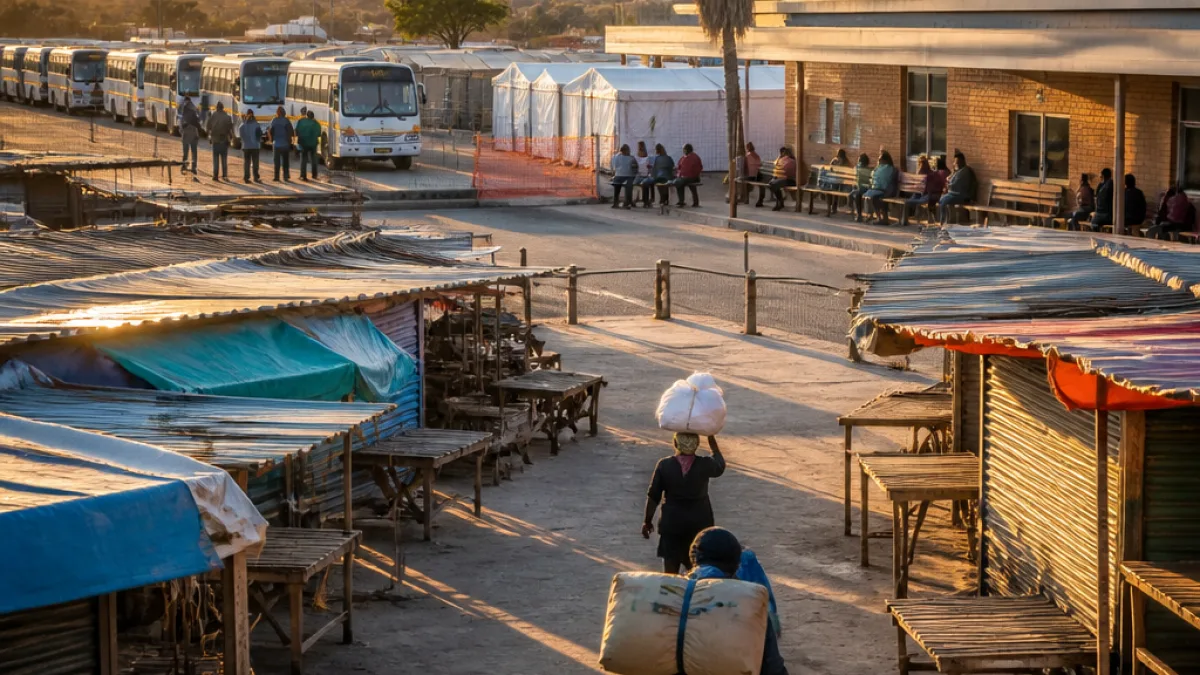
The Department of Home Affairs provided figures showing a temporary processing facility in Musina handled about 68 000 undocumented foreign nationals for repatriation. The movement followed a presidential directive on tighter enforcement and warnings that employers who knowingly hire undocumented workers could face prosecution, including jail time for severe breaches.
Authorities and civic groups had also set deadlines and warned of potential anti-immigrant protests, factors that the department said helped drive departures.
How employers and jobseekers are adjusting
Local employers in Polokwane report a mixed picture. Many routine jobs — general labour, domestic work and casual posts — are being filled by South African applicants, some of whom are more qualified than the roles require. But positions that need specialised skills or experience remain harder to staff.
Business owners said that, in several sectors, foreign nationals had occupied roles where they had been trained on-site and that replacing that experience with local hires is taking longer than expected.
- General and casual work: increased availability of South African applicants.
- Skilled positions: shortages persist where employers had previously trained foreign staff.
- Informal entrepreneurship: noticeable reduction in small operations previously run by undocumented traders.
Impact on health services and public facilities
Patients and staff at Pietersburg Provincial Hospital and local clinics reported a visible difference in daily volumes. A regular visitor to Pietersburg Provincial Hospital said that queues were shorter and waiting times had dropped after the exodus.
“The queues are shorter and waiting times have decreased. The absence of a sector of our regular visitors definitely affected overcrowding of facilities at the hospital and the clinics,” an elderly woman told reporters.
Health facility managers have suggested that reduced patient numbers may ease pressure on outpatient departments, but stressed that any change in demand must be monitored to maintain service planning and resource allocation.
Effect on informal economy and recycling
Informal recyclers and small informal traders who were undocumented have in some areas stopped operating, leaving gaps in local waste management and street-trade activity. Municipal officials and community groups will need to monitor whether these shifts affect litter collection, recycling streams or street-level commerce.
Commercial farming unaffected for now
Commercial farmers consulted in the region said they have not seen major disruption to production, stating they either did not employ undocumented workers or had sufficient documented staff. Farmers emphasised that their labour rosters remained stable.
Numbers at a glance
| Item | Figure / note |
|---|---|
| Processed at Musina temporary facility | ~68 000 undocumented foreign nationals |
| Primary countries of origin (reported) | Predominantly Zimbabwe and Malawi |
What this means for residents and employers
For residents seeking work, more entry-level positions appear to be available in Polokwane and nearby towns. Jobseekers should check that employers are registered and that wages comply with sectoral determinations and minimum wage rules. Employers who require skilled labour may face recruitment delays or need to invest in training local staff to restore lost capacity.
Municipalities and health facilities should review service delivery plans in light of fluctuating demand. Civil society organisations and business groups may also need to engage with Home Affairs and labour departments to address the practical consequences of rapid repatriation.
The Department of Home Affairs and local municipal offices did not provide further operational details beyond the processing figure. Community organisations and businesses in Polokwane are monitoring developments as return and recruitment patterns stabilise.
Reported from Polokwane.