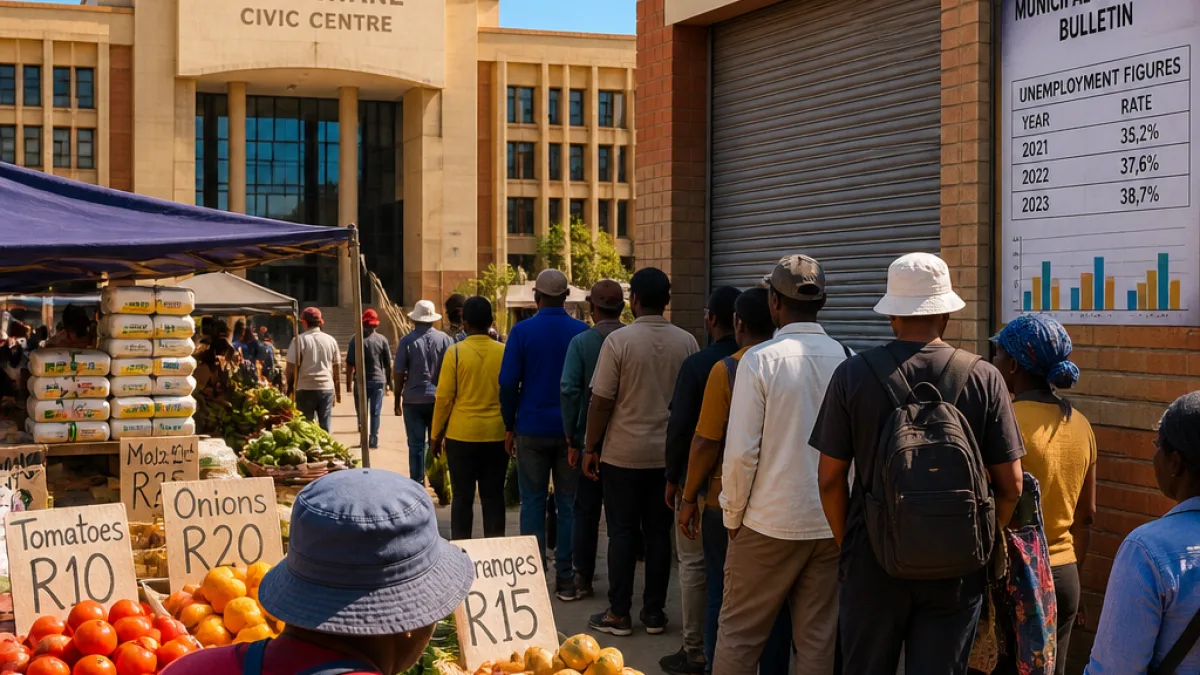
Polokwane. Limpopo’s official unemployment rate remained at 32% in the second quarter of 2026, according to the Quarterly Labour Force Survey released by Statistics South Africa (Stats SA), a performance that contrasts with a national rise in joblessness to 33.6%.
How Limpopo compares
Stats SA’s figures for the three months to June show Limpopo with the third-lowest unemployment rate in the country, behind the Western Cape at 19.5% and the Northern Cape at 28.7%. Nationally, the unemployment rate increased by 0.9 of a percentage point in the quarter to reach 33.6%.
The province added about 3,000 jobs quarter-on-quarter, bringing total employment in Limpopo to 1.512 million, Stats SA reported. That quarter-on-quarter gain contrasts with a national fall of 16,000 jobs over the same period.
| Area | Unemployment rate (Q2 2026) |
|---|---|
| Limpopo | 32.0% |
| Western Cape | 19.5% |
| Northern Cape | 28.7% |
| South Africa (national) | 33.6% |
Sectoral shifts behind the numbers
Stats SA’s breakdown shows the quarter-on-quarter job gains in Limpopo were concentrated in the informal sector, which added 33,000 jobs (a +6.9% increase). By contrast, the formal sector shed 16,000 jobs (a -1.8% decline) and the household sector lost 13,000 jobs (a -12.1% fall).
Measured over the year, the provincial picture is more mixed. Limpopo’s unemployment rate fell by 3 percentage points from 35% in the second quarter of 2025 to 32% in Q2 2026 — one of the sharper annual improvements among provinces. Yet total employment in the province is down slightly year-on-year by 3,000 jobs (around -0.2%), while the working-age population continues to grow, a trend that can put upward pressure on unemployment if job creation does not keep pace.
Local implications
For local government and community leaders, the informal-sector growth offers both opportunity and challenge. Informal trading and small-scale agricultural activity can provide livelihoods quickly, but they typically offer lower and less secure incomes, limited benefits and weaker regulatory protections than formal employment. The loss of jobs in the formal and household sectors highlights the fragility of more established employment, particularly where industries or municipal services are under strain.
Practical implications for residents include:
- Increased reliance on small, informal enterprises for income and food security.
- Pressure on municipal services and local markets as more people seek livelihoods close to home.
- Possible need for expanded skills training and support for informal traders to transition to sustainable micro-enterprises.
Nationally, employment fell most steeply in the Western Cape (48,000 jobs lost), Gauteng (22,000) and North West (15,000), while provinces such as Mpumalanga, Eastern Cape and Free State recorded larger quarterly employment increases.
What to watch next
Policymakers and local stakeholders will be watching whether the informal-sector gains in Limpopo can be converted into sustainable, formal employment and whether provincial strategies can support sectors showing weakness. With the working-age population rising, the province needs consistent job creation to maintain or lower its unemployment rate.
Stats SA’s QLFS remains the key source for these labour-market trends and will be used by provincial departments, municipalities and civil-society organisations to plan interventions in skills development, youth employment and enterprise support.
The data released by Statistics South Africa provides a snapshot of the current labour market; how local and national actors respond will shape whether Limpopo’s relatively lower unemployment rate translates into better livelihoods for more households across the province.