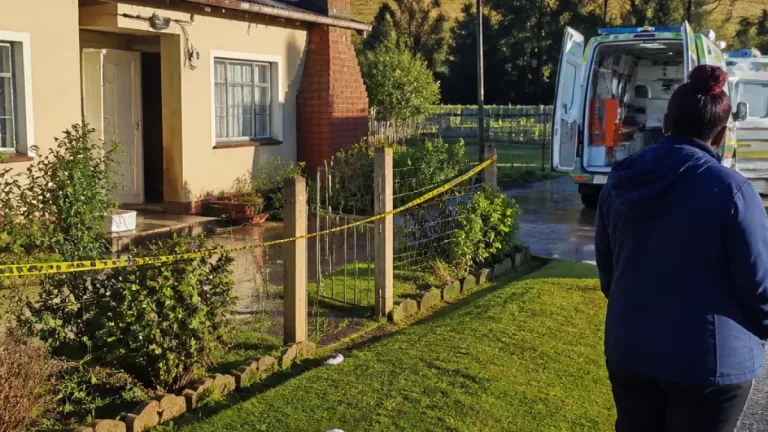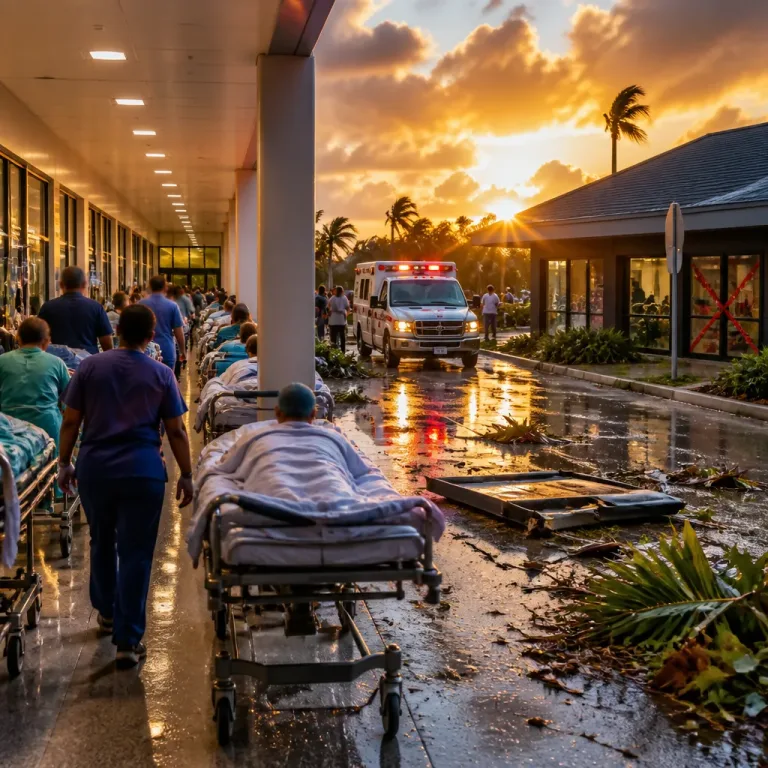

The Eastern Cape’s emergency medical response is under severe strain after reports that 161 ambulances are grounded, the provincial health department acknowledged as it promised to bolster the fleet.
Strain on a sprawling provincial health system
The province serves a population of more than seven million people. With the majority of primary and emergency medical services reliant on operational ambulances, the grounding of a large portion of the fleet presents a tangible risk to timely care, especially in remote and rural districts where distances to hospitals can be long and alternatives scarce.
The Eastern Cape Department of Health said it would take steps to strengthen the ambulance fleet. The department’s statement, as reported, did not set out a timetable or the measures it would use to return vehicles to the road or replace them.
Practical consequences for patients and services
When ambulances are unavailable, patients face delayed transfers to higher levels of care, longer response times for life‑threatening emergencies and increased pressure on clinics and hospitals to arrange private transport. These pressures can be acute during evenings, weekends and periods of high demand such as multiple-vehicle accidents, natural disasters or disease outbreaks.
Health facilities in outlying areas typically have minimal on‑site emergency capability and rely on ambulance crews for rapid stabilisation and interfacility transfers. The reported shortfall therefore disproportionately affects rural communities across the province.
What the numbers mean
| Metric | Figure |
|---|---|
| Ambulances grounded | 161 |
| Provincial population | More than seven million |
Systems and capacity questions
Ambulance readiness depends on several interlocking factors: vehicle maintenance and replacement, availability of trained emergency medical personnel, fuel and consumables, and reliable communication and dispatch systems. Any weakness along this chain can render units unusable for extended periods.
The department’s pledge to bolster the fleet acknowledges the problem but leaves open questions about the scale of investment required and how immediate fixes will be prioritised. Without a published plan, health managers, clinicians and communities lack clarity on how quickly responses will improve.
- Immediate need: a clear timeline to return grounded ambulances to service or procure replacements.
- Staffing: ensure skilled emergency care personnel are paired with any additional vehicles.
- Logistics: reliable dispatch, fuel supply and maintenance capacity to sustain operations.
Local impact and accountability
Residents and health practitioners in affected areas will be watching for concrete steps and for transparency about causes — whether mechanical failure, funding shortfalls, procurement delays or staffing gaps. Municipal and provincial oversight structures have a role in tracking the department’s progress and ensuring that emergency services receive priority where lives are at stake.
For now, the department’s assurance is limited to a public commitment to bolster the fleet. Until further details are released, clinicians, emergency personnel and patients remain exposed to the operational risks created by the grounded vehicles.
How this affects patients now
Patients who rely on ambulance transfers for chronic conditions, emergency surgery or time‑sensitive interventions face heightened uncertainty. Families and caregivers may need to make contingency arrangements for private transport where possible, but such options can be costly or impractical in remote districts.
Community members who observe prolonged response times or failed transfers should continue to raise concerns with local clinic managers and the provincial health department to ensure incidents are recorded and escalated.
The Eastern Cape’s ambulance shortfall is a reminder that emergency medical services are a critical, resource‑intensive component of public healthcare. Restoring and sustaining ambulance capacity will require not just vehicles but predictable maintenance budgets, staffing and accountable logistical support.
Reporting from Gqeberha.