
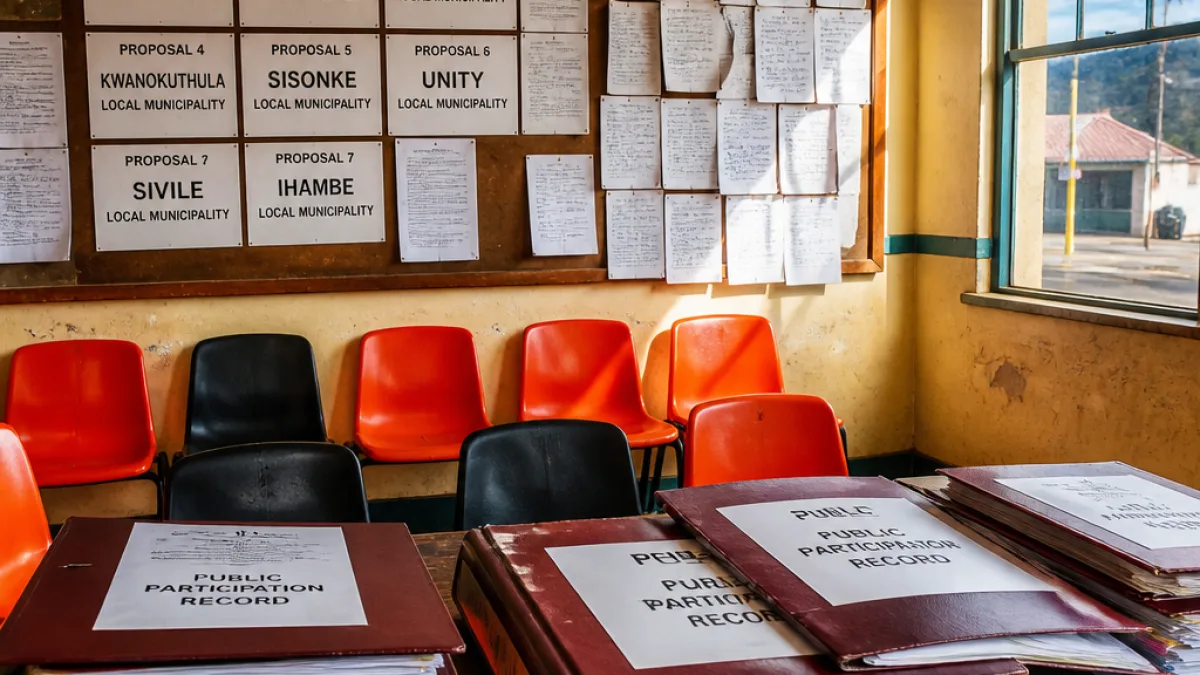
The Democratic Alliance (DA) in the Eastern Cape has formally demanded transparency from the provincial Department of Sport, Recreation, Arts and Culture (DSRAC) over proposed name changes affecting three towns in the Senqu Local Municipality.
Calls for the full public record
DA Shadow MEC for Sport, Recreation, Arts and Culture Leander Kruger MPL said the party will ask DSRAC MEC Sibulele Ngongo to provide the complete public participation record for the applications to rename Lady Grey, Sterkspruit and Herschel.
The party wants the original applications and motivations, the research that supports the proposed changes, proof of public notices and advertisements, and minutes and attendance registers from any meetings held in Senqu. The DA is also seeking evidence that residents unable to attend meetings were offered the chance to make written submissions.
- Original applications and motivations
- Research conducted in support of the applications
- Proof of public notices and advertising
- Meeting minutes and attendance registers
- Records of written submissions from residents
Which names are under consideration
According to documents before the Eastern Cape Provincial Geographical Names Committee (ECPGNC), the applications include renaming:
| Current name | Proposed name | Notes |
|---|---|---|
| Lady Grey | Inkosi Makhobeni | |
| Herschel | Inkosi Lihlongo | |
| Sterkspruit | Inkosi Mpangazi | Alternative proposed name: Mapetla Mohapi |
The ECPGNC placed the applications before stakeholders after DSRAC invited local stakeholders to a meeting at Bensonvale Hall in Senqu last week to discuss the proposals.
Questions about earlier consultation
The DA has pointed to an earlier round of advertised public hearings in Senqu in May 2025, noting that the names now under consideration were not listed then. That notice, the party said, included Barkly East and several geographical features but omitted Lady Grey, Sterkspruit and Herschel.
Kruger said the omission raises concerns that residents were not adequately informed about the latest applications and that the consultation process may not have been properly advertised or open to meaningful participation.
"We need clarity on who was invited, how widely residents were notified, and whether those who were unable to attend were given an opportunity to submit in writing," the DA said in a statement reported by provincial sources.
Why the procedure matters locally
Name-change processes engage local identity, history and municipal administration. Names appear in municipal records, property deeds and service delivery plans, and changes can affect the way residents relate to place. Properly conducted public participation is a legal and procedural requirement overseen by the ECPGNC and DSRAC.
For residents of Senqu — a municipality that includes a mix of small towns and rural settlements — the question of whether consultation reached affected communities is not merely administrative. It speaks to trust in local and provincial government processes and to how decisions about heritage and identity are made.
What happens next
The DA has indicated it will write to MEC Ngongo requesting the information. Once the provincial department responds, the ECPGNC will continue its consideration of the applications. The committee must weigh the documented motivations, evidence of public participation and research before making recommendations, which then move through further administrative steps.
Residents and stakeholders who wish to follow or participate in the process should monitor notices from DSRAC and the ECPGNC and check with the Senqu municipal offices for details of any upcoming meetings or submission deadlines.
Requests for comment sent to DSRAC and the ECPGNC remained outstanding at the time of publication.
The DA’s demand for records is the latest flashpoint in a broader national debate about place names, public memory and administrative transparency. In the Eastern Cape, where town identities are closely tied to history and local leadership structures, the outcomes will be watched closely by civic groups, traditional leaders and municipal officials alike.












