
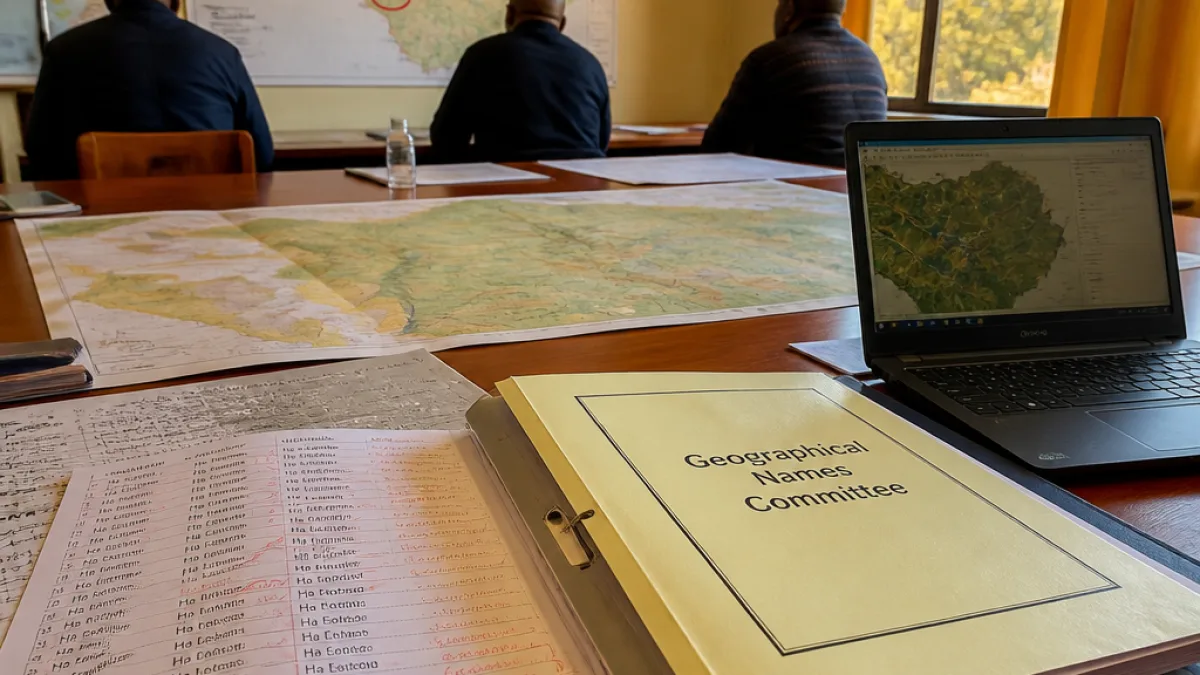
The Eastern Cape Provincial Geographical Names Committee has defended its mandate after proposals were tabled to change the names of three towns in the Senqu Local Municipality.
Committee: correcting history, not delivering services
Committee chairperson Christian Martin emphasised that the body is not a service delivery entity but a statutory advisory forum tasked with addressing the province’s place names to better reflect historical and cultural identity. The committee’s comments came as name-change proposals affecting three towns in the Senqu municipality stirred local discussion.
The distinction between advisory responsibilities and municipal service delivery is important because renaming exercises often prompt concerns from residents about practical implications — from changes to road signage and stationery to the updating of municipal files and postal addresses. The committee reiterated that such operational matters remain the responsibility of municipalities and other service agencies.
How the naming process works
Place-name decisions in South Africa operate through a layered system of institutions. At national level, the South African Geographical Names Council provides guidance and oversight, while provincial committees consider proposals, gather input and make recommendations. Final approvals or objections are managed in line with the Geographic Names Act and related regulations.
In the provincial context, the committee’s work includes:
- researching the historical, cultural and linguistic background of existing names;
- receiving and assessing proposals for new names or name changes;
- facilitating public consultations and recording objections or support;
- making recommendations to the relevant statutory authority for final determination.
These procedural steps aim to ensure that naming decisions are not made in isolation and that affected communities have an opportunity to register their views.
Local reaction and practical concerns
While specific details of the three proposed renamings were not published in the committee statement, residents and municipal actors typically raise several recurring concerns when name changes are mooted. These include the cost of replacing signage, potential confusion for emergency services and businesses, and the need for clear communication about when and how new names will be implemented.
Municipalities have a central role in mitigating such practical impacts. They must plan for budgetary implications and co‑ordinate with entities that manage road signage, land records and postal services. The committee’s insistence that it is not a service provider underlines that those operational responsibilities lie with the Senqu Local Municipality and relevant provincial and national departments.
Transparency and community engagement
Renaming processes in the Eastern Cape and elsewhere have succeeded where there has been thorough public engagement and accessible information about the reasons for change. The committee said its mandate centres on correcting history and identity — objectives that require careful documentation and clear explanation to affected communities.
For residents facing possible name changes, practical steps to stay informed include:
- monitoring notices from the Provincial Geographical Names Committee and the Senqu Local Municipality;
- attending public meetings or submitting written comments during consultation periods;
- asking municipal offices how any approved change will affect rates, deeds and municipal account details.
| Role | Primary responsibility |
|---|---|
| Provincial Geographical Names Committee | Research, recommendation, public consultation on names |
| Senqu Local Municipality | Service delivery, signage replacement, municipal records |
| South African Geographical Names Council | National oversight, final approvals and policy guidance |
Accurate timelines and the identity of the towns under consideration were not released in the committee’s statement. The committee’s defence of its role focuses attention on the broader challenge: reconciling the constitutional imperative to transform public symbolism with the day-to-day realities of municipal administration.
As the process unfolds, residents in the affected parts of Senqu can expect further announcements on consultation dates and draft recommendations. The success of any renaming depends on transparent engagement and coordinated planning between the provincial committee, the municipality and national bodies responsible for geographic names.
This matter highlights a recurring governance question in the province: how to balance symbolic reforms with efficient service delivery. The Eastern Cape committee’s recent comments make clear it sees its purpose as addressing historical redress in toponymy, while leaving implementation logistics to other tiers of government.
Further updates will depend on the committee publishing its proposals and the Senqu Local Municipality responding with plans for any administrative and budgetary adjustments required should a name change be approved.












