YAOUNDÉ / BAMENDA — A new catechism of peace, compiled by the Archbishop of Bamenda, is intended to help a generation shaped by ten years of armed conflict in Cameroon’s English‑speaking North‑West and South‑West regions.
Targeting a generation raised amid violence
Archbishop Andrew Nkea Fuanya has prepared a 100‑question and answer text designed to teach young people principles of human dignity, reconciliation and respect for life, according to reporting dated 15‑09‑2026. The project responds to a conflict that has pitted Cameroonian security forces against separatist groups and which church sources say has left communities deeply scarred.
“During these ten years of suffering, our young people have grown up surrounded by violence,” Archbishop Andrew Nkea Fuanya of Bamenda said.
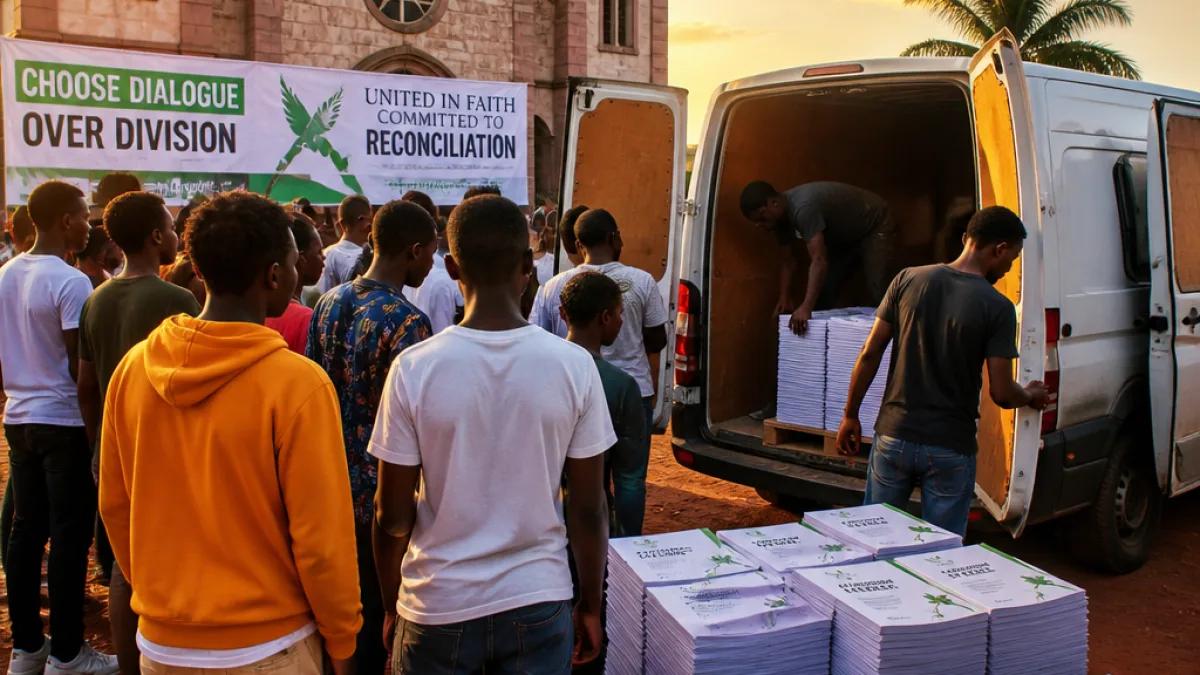
The catechism draws inspiration from the peace message of Pope Leo XIV and will be printed and distributed across the North‑West Region with backing from Aid to the Church in Need (ACN), the report said. It is intended for young people of all faiths and aims to reintroduce moral formation rooted in reconciliation.
Human cost and disruption
While figures are hard to verify independently in the conflict zones, the archbishop cited a cautious estimate of between 8,000 and 10,000 deaths, and warned the true toll could be greater. The violence has also triggered a large displacement crisis: between 800,000 and one million people have been forced from their homes, according to the same account.
| Impact | Estimate |
|---|---|
| Deaths (reported estimate) | 8,000–10,000 |
| Internally displaced people | 800,000–1,000,000 |
Education has been badly disrupted: schools were among the early targets, the report states, and many children and young people have been unable to attend class because of insecurity and an ideological rejection by some separatists of teaching in French.
Religious actors under pressure
The Church itself has not been spared. Priests, religious workers and bishops have been kidnapped in recent years, reflecting the wider breakdown of safe civic space in affected areas. The catechism project, church sources say, is both pastoral and practical: an attempt to offer moral formation where formal schooling and civic institutions have been weakened.
“Blessed are the peacemakers! But woe to those who manipulate religion and the very name of God for their own military, economic and political gain, dragging that which is sacred into darkness and filth,” Pope Leo XIV said, quoted in the report.
Distribution and outlook
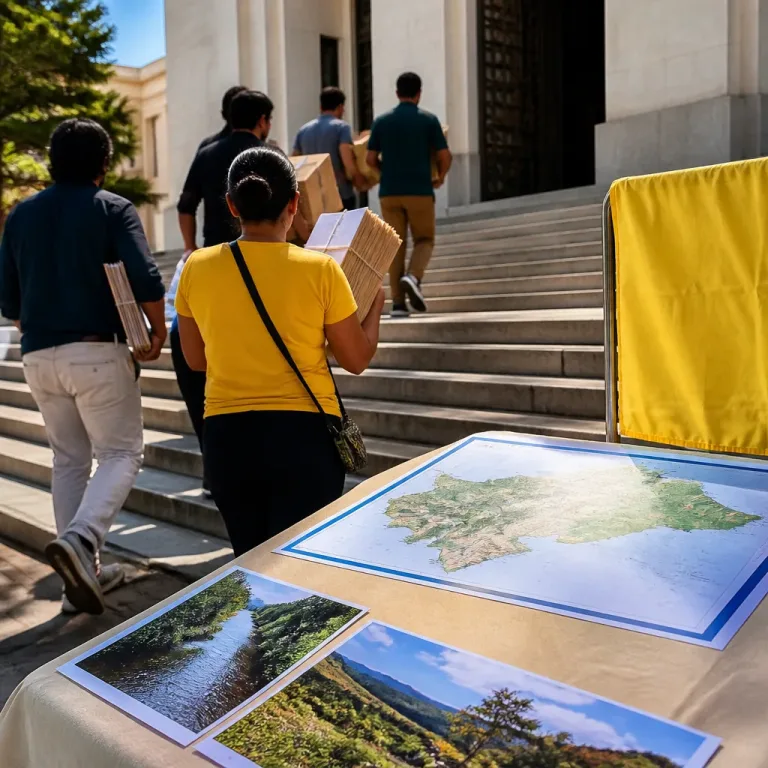
With support from ACN, the catechism is expected to be printed and distributed widely among children and young people throughout the North‑West Region. The initiative aims to reach those who have missed years of schooling and to complement other efforts at community rebuilding, reconciliation and psychosocial support.
For communities long exposed to violence, such faith‑based education can play a stabilising role when secular services are scarce. At the same time, the scale of displacement and the depth of trauma outlined by church figures underline the limits of a single programme to resolve structural and political causes of the conflict.
What to watch
- How broadly the catechism is distributed and whether it reaches internally displaced children and youth.
- Whether religious education is accepted across divided communities, given the reported politicisation of faith in parts of the conflict.
- Any independent verification of casualty and displacement figures to inform humanitarian planning.
The initiative places young people at the centre of reconstruction efforts, offering a moral framework aimed at healing. Its success will depend on distribution, community acceptance and parallel progress in restoring security and access to basic services in the affected regions.
Reporting by Fides News Agency on 15‑09‑2026 provided the details summarised here.