
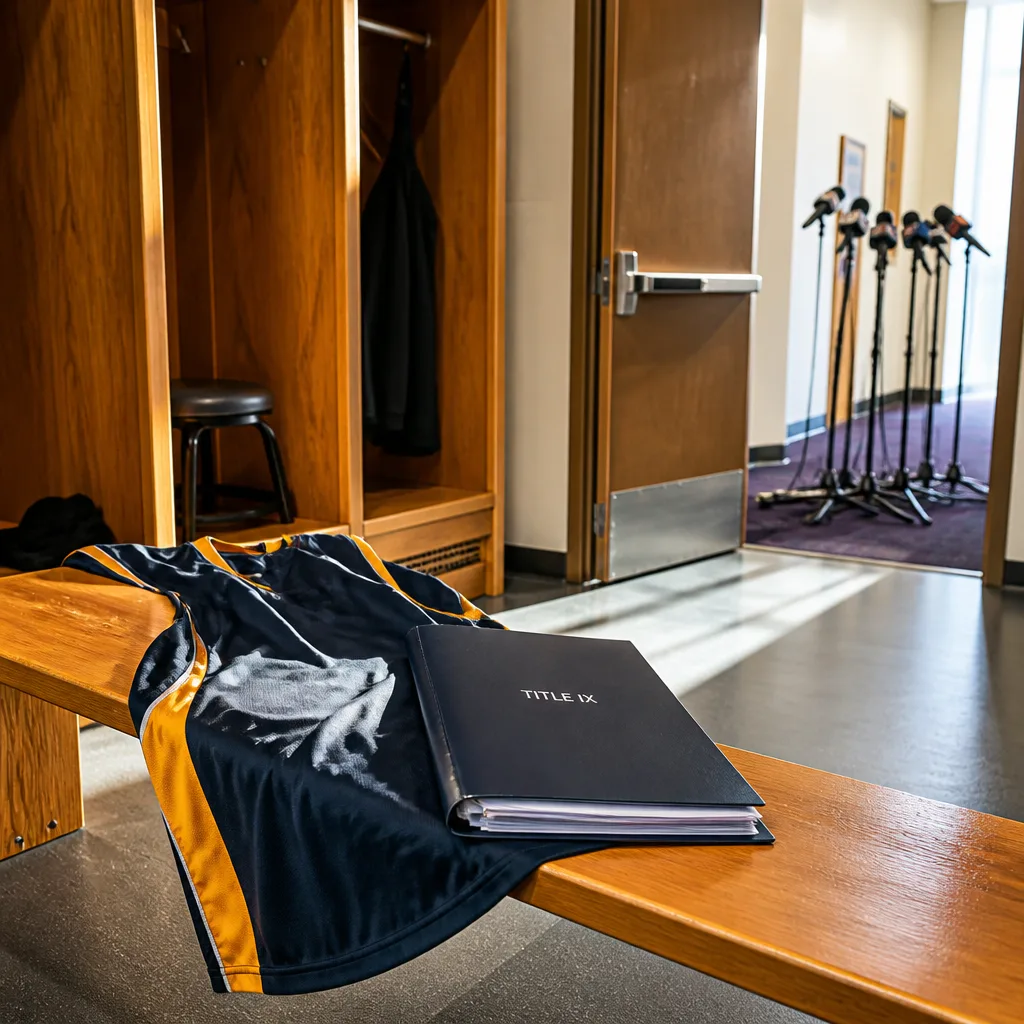
Sophie Cunningham said she supports protecting women’s athletic competition and the opportunities created by Title IX, stepping into the center of a renewed national debate over eligibility standards for women’s sports.
Player comments reignite eligibility debate
Cunningham told reporters she felt strongly about safeguarding chances for girls and women in sport, citing Title IX as a foundation for those opportunities. She said preserving women’s categories is essential for future generations, framing the issue as one of protection for those opportunities.
The remarks come amid public statements by former NBA players Enes Kanter Freedom and Royce White, who have each said they identify as women and expressed an interest in playing in the WNBA. Those statements have prompted renewed questions about how the league defines eligibility and whether existing rules are sufficient.
Calls for clearer league policy
Washington commentator Armstrong Williams told The National News Desk the situation underscores what he sees as a need for transparent WNBA rules. Williams said the league is being tested on how it handles identity and eligibility, and he urged clearer, publicly stated criteria.
“They are deliberately testing the logic of the WNBA when it comes to identification,” Williams said. “The WNBA should establish a clear, transparent eligibility policy rather than leaving players and fans to guess.”
Williams also drew a connection between Title IX’s role in expanding opportunities for female athletes and the recognition of biological differences in competitive sport. He argued that Title IX both opened doors for women and relied on distinctions that matter in athletic competition.
Union stance, politics and public pressure
The discussion has also implicated the WNBA Players Association, which recently said it does not want to be used as a political pawn while simultaneously encouraging Americans to contact lawmakers about Title IX. Williams questioned what he described as an inconsistency in that approach, suggesting the union cannot welcome political engagement selectively.
- Eligibility standards for the WNBA are once again under public scrutiny.
- Former NBA players identifying as women and expressing interest in the WNBA have prompted debate.
- Commentators and stakeholders are urging a clear, transparent league policy on eligibility.
How the WNBA responds may shape public perceptions and legal arguments around access and fairness in women’s sports. The league has not issued a new public policy in response to these specific comments as of the reporting contained in the source material.
What’s at stake
The public exchange highlights several tensions: protecting opportunities created under federal law, answering difficult questions about competitive fairness, and balancing political engagement with sport governance. Those tensions could affect the WNBA’s relationship with fans, lawmakers and current players.
| Speaker | Key point |
|---|---|
| Sophie Cunningham | Supports protecting women’s sports and Title IX-created opportunities. |
| Armstrong Williams | Urges a clear, transparent WNBA eligibility policy; links Title IX to recognition of biological differences. |
| WNBA Players Association | Has said it does not want to be used as a political pawn and has encouraged contact with lawmakers about Title IX. |
For the WNBA and its players, the immediate question is procedural: will the league clarify eligibility rules and how it will adjudicate claims of identity that intersect with competition categories? The broader question is societal — how to reconcile competing values of inclusion, competitive equity and legal protections created decades ago to expand opportunities for women in sport.
The debate is likely to continue in public forums, among policymakers and inside league offices as stakeholders press for answers and the sport community watches for official guidance.
Reporting based on comments and statements provided to The National News Desk and other sources cited in initial reporting.

















