
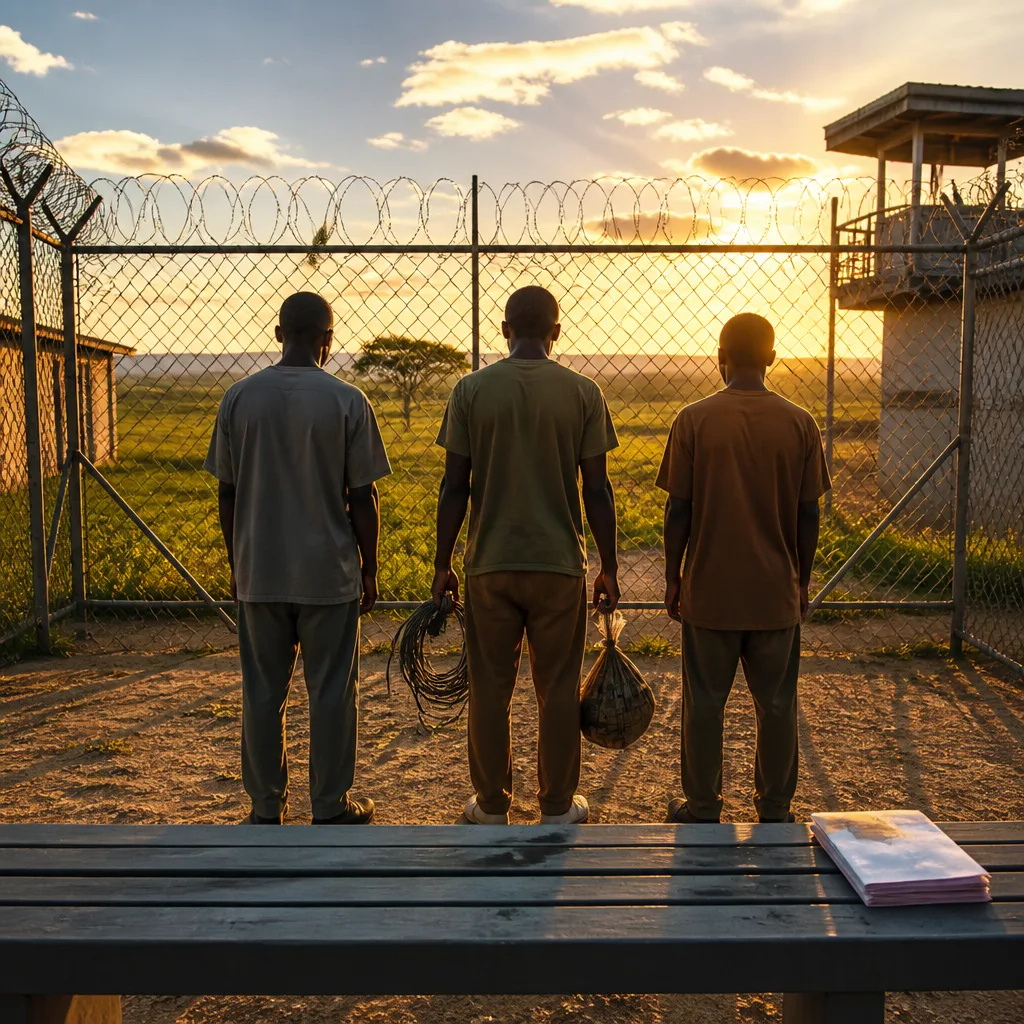
A study conducted by Wildlife Crime Prevention Zambia in partnership with Copperbelt University found that opportunity and life circumstances were leading drivers of wildlife crime among people currently imprisoned in Zambia, according to published results of interviews with inmates in 32 correctional facilities.
Survey finds opportunism, need behind most offenses
Researchers interviewed 302 people serving sentences for wildlife-related offenses. The survey indicated that 40% of respondents cited opportunity as the main factor in their involvement, while 16% pointed to dire life circumstances — including the need for food or medical care — as the decisive reason.
The vast majority of participants were men and were serving their first prison term, the researchers reported. About one-third of respondents said they had previously taken part in wildlife crime but had avoided detection before being convicted this time.
Types of crimes and national role
The most commonly reported offenses involved hunting wild animals for meat. The study also encompassed poaching and trade in species including elephants, pangolins and rhinos, along with illegal fishing and firearm-related offenses.
Zambia plays both a role as a country of origin for wildlife products and as a transit route for illegal wildlife movement, researchers noted, a situation complicated by the country’s shared borders with eight states.
- Respondents interviewed: 302
- Facilities covered: 32 correctional institutions
- Attributed causes: 40% opportunity, 16% life circumstances
Sentences, prison population and prospects for recidivism
Researchers estimated that people imprisoned for wildlife crimes account for roughly 7% of the country’s total prison population. Zambian law prescribes substantial penalties: a first conviction for hunting in a protected area without a license can carry three to 10 years behind bars, while offenses involving illegal possession of trophies from protected species or crimes related to elephants or rhinos may carry sentences that exceed 20 years.
When asked about future behavior, about one-third of respondents said or indicated they did not want to continue illegal hunting or trading. Meanwhile, roughly 5% said they intended to reoffend or feared they might return to illegal activity because of a lack of legal income options.
Rehabilitation pilot and employment focus
Wildlife Crime Prevention Zambia completed a six-month pilot program aimed at helping prisoners reconnect with their families and plan lawful sources of income before release. The initiative was designed to reduce the likelihood that released inmates would revert to poaching or illicit trade when faced with limited alternatives.
| Measure | Value |
|---|---|
| Respondents | 302 |
| Facilities interviewed | 32 |
| Attributed to opportunity | 40% |
| Attributed to life circumstances | 16% |
| Portion of prison population | ~7% |
The study’s findings underscore tensions between conservation enforcement and social and economic realities in communities that rely on natural resources for subsistence. With a significant share of respondents pointing to opportunistic motives, and a meaningful minority citing survival needs, the research suggests that law enforcement alone may not be sufficient to stem wildlife crime.
Programs that focus on income alternatives, family reintegration and community engagement may be central to reducing recidivism, the pilot supported by Wildlife Crime Prevention Zambia indicates. The study did not report a formal follow-up tracking reoffense rates after release, but researchers noted varying degrees of willingness among inmates to abandon illegal activities.
As Zambia remains both a source and conduit for illegal wildlife products, the report provides data policymakers and conservation groups can use to tailor prevention strategies that combine criminal justice measures with socioeconomic interventions.















