The Alaska Division of Elections moved more than 3,000 people from the state’s active voter rolls last month after its list was compared with Division of Motor Vehicles records — a step legislative attorneys now say may have violated both state and federal law.
Numbers and immediate fallout
Officials removed the voters after the DMV comparison identified records that did not indicate citizenship. Since then, about 685 of those individuals have contacted the Division of Elections to say they are U.S. citizens and remain eligible to vote, the division said. Approximately 100 people confirmed they are not citizens. More than 2,200 people who were removed have not contacted the division, and notices sent to 350 of those individuals were returned as undeliverable.
| Category | Count |
|---|---|
| Voters removed from active list | 3,000+ |
| Removed who contacted division as citizens | 685 |
| Confirmed noncitizens | 100 |
| Removed not yet contacted | 2,200+ |
| Notices returned undeliverable | 350 |
Legal review from the Legislature
Anchorage independent Rep. Ky Holland asked the Legislature’s nonpartisan attorneys to examine whether the Division of Elections had the authority to make the removals. In a memo prepared for lawmakers, legislative attorney Andrew Dunmire concluded he could not identify a specific Alaska statute or regulation that authorized the director of the Division of Elections to perform the type of list maintenance undertaken.
The review underscores concerns among several lawmakers who have asked the division to restore the removed voters to the active rolls given evidence that the DMV data was outdated or otherwise flawed. The Division of Elections has declined to restore those voters.
What it means for voters and the Aug. 18 primary
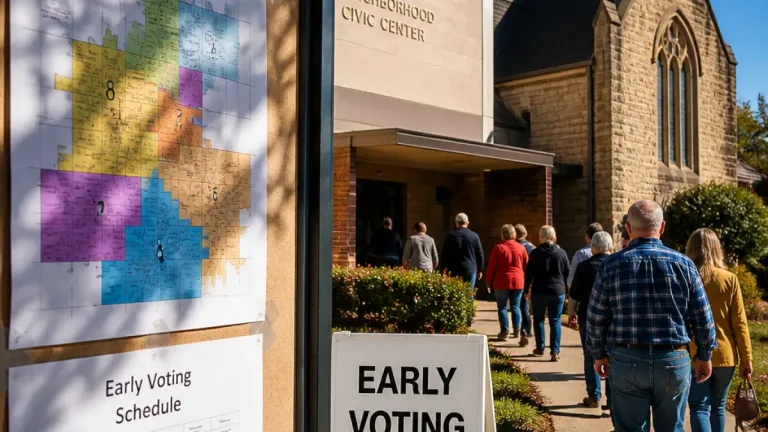
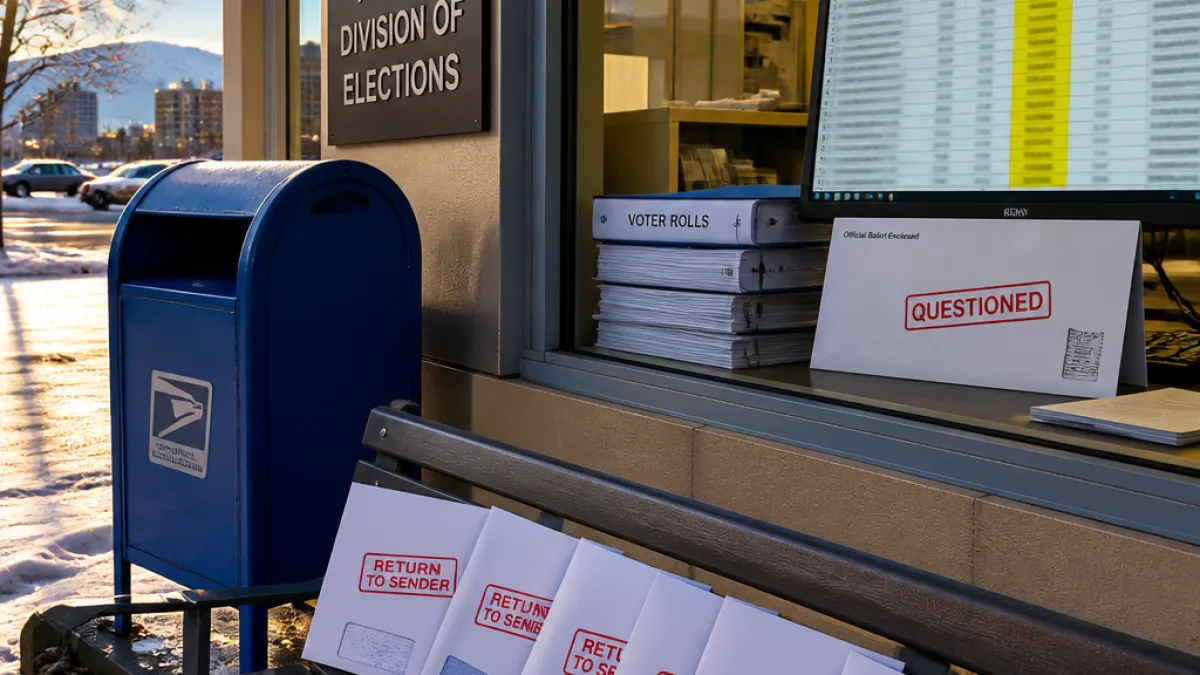
State officials say affected residents retain the ability to participate in the upcoming primary by casting a questioned ballot. That ballot requires additional paperwork and is reviewed separately from ballots cast by active-registered voters.
- Voters who believe they were wrongly removed should contact the Division of Elections as soon as possible.
- Those without current contact information on file may need to provide identity and eligibility documentation when casting a questioned ballot.
- Restoration to the active list has been requested by lawmakers but not granted by the division.
Division of Elections response and limits
The division acknowledges the removals followed a cross-check with DMV records, but officials later said the DMV information used in the comparison included outdated entries that flagged individuals as noncitizens even when they had naturalized after obtaining a driver’s license. Several people contacted by the elections office reported they had become U.S. citizens after applying for a driver’s license.
The division has reported that roughly one-third of those removed have proactively reached out; the remainder have not engaged with the office, leaving open the question of how many eligible voters remain in inactive status at a critical moment before the primary.
Broader implications
The episode raises both administrative and legal questions about the use of third-party data for voter list maintenance. Accurate and current records are essential for preserving both ballot integrity and voter access, but using flawed data carries the risk of disenfranchisement, particularly for naturalized citizens who obtained state identification before becoming citizens.
Lawmakers pressing for restoration argue the division should prioritize returning people to the active list when the underlying data is demonstrably out of date. Division officials counter that removal followed a standard cross-check intended to protect the voter rolls from ineligible registrations.
Next steps
The Legislature’s memo does not itself change the division’s actions but could inform future legal or legislative responses. With the Aug. 18 primary days away, the most immediate concern for those affected is preserving their ability to vote by using the questioned-ballot process and by contacting the Division of Elections to resolve their registration status.
State lawmakers and elections officials will likely face continued scrutiny over whether list maintenance practices meet legal standards and whether additional safeguards are needed to prevent eligible citizens from being removed in error.
— Erik Lindgren, State Correspondent