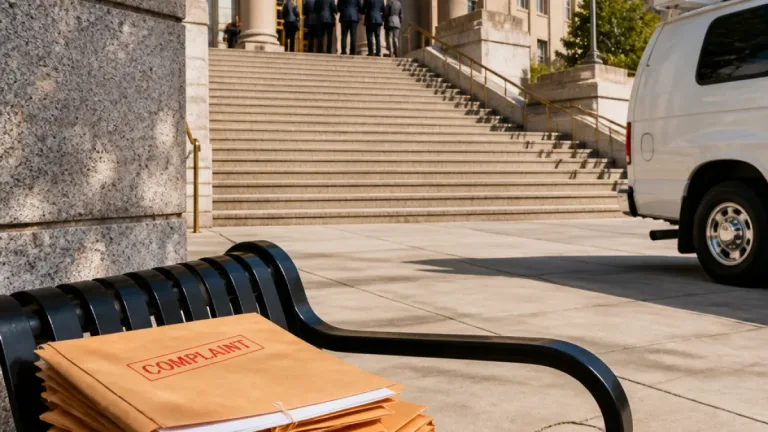
The City and County of Denver has filed a lawsuit against nine major tobacco manufacturers and a Colorado-based distributor, arguing the companies should bear the costs of cleaning up cigarette-butt litter that the city says clogs streets, storm drains and waterways.
City cites cleanup burden, seeks redesign or responsibility
Mayor Mike Johnston announced the lawsuit Thursday, saying Denver’s data show cigarette filters account for a substantial portion of the city’s litter removal burden. "Our data says that almost 25% of all the litter we collect is made up of cigarette butts," the mayor said, emphasizing the fiscal and environmental impacts of the discarded filters.
The 72-page complaint names nine manufacturers, including Philip Morris and Reynolds American, and a distributor based in Colorado Springs, Peerless Products. The city contends cigarette filters were designed to be discarded after smoking, are not biodegradable and that manufacturers have long known their products would routinely end up on public property and in waterways.
"A cigarette could be gone and you could throw it out. There'd be nothing left," Johnston said. "But they chose to create a product that has this thing attached to it that provides no health benefit but has a huge impact on cities. We think if they choose to manufacture that, they should be responsible for cleaning it up."
According to the suit, manufacturers have researched disposal and degradable options over years but have not adopted a redesign for filters. Denver is pursuing the case with outside law firms; the mayor said that legal work is being handled without direct city legal costs, though the filing argues the city already spends substantial resources on trash pickup that include cigarette-butt removal.
Responses and next steps
At the time of publication, only one defendant, ITG Brands, had issued a public response through a spokesperson. The company said it takes the matter seriously, disagrees with the lawsuit’s claims and will respond through the legal process, adding that it could not comment further because the case is pending.
- Denver alleges cigarette filters are nonbiodegradable and routinely end up on public property and in waterways.
- The lawsuit names nine manufacturers and a Colorado distributor; it runs 72 pages, according to the city.
- Officials say the city spends a large share of litter-removal costs on cigarette butts, and they seek manufacturer responsibility and redesigned filters.
The complaint frames the issue as both an environmental and municipal finance problem. Cigarette filters can obstruct stormwater infrastructure, and the city argues those costs are externalized onto taxpayers rather than internalized by manufacturers.
| Detail | Figure |
|---|---|
| Portion of collected litter that are cigarette butts | ~25% |
| Length of lawsuit filing | 72 pages |
| Number of manufacturers named | 9 |
Local implications
For Denver residents, the suit raises questions about how the city will fund litter removal and whether a successful case could shift costs to manufacturers or lead to product changes. If the court finds in favor of Denver, outcomes could include financial awards to cover cleanup costs, requirements for manufacturers to fund takeback or disposal programs, or incentives to redesign filters into biodegradable alternatives.
Legal experts and municipal officials in other U.S. cities have watched similar suits as models for shifting the financial burden of litter cleanup. Denver’s complaint underscores the city's strategy of holding manufacturers accountable for downstream environmental and infrastructure impacts tied to product design. The litigation is likely to be followed closely by local environmental groups, public works officials and taxpayers concerned about municipal spending.
As the case proceeds, Denver officials said they will rely on outside counsel to prosecute the suit. The city did not specify a timeline for litigation or the precise remedies it will seek beyond seeking responsibility for the cleanup costs and urging a redesign of filters toward biodegradable alternatives.
WE NEWS will continue to follow court filings and responses from the named defendants as they are made public.