Colorado’s mountain resorts are seeing a shift in traveler behavior this year as visitors respond to last season’s poor snowfall and ongoing economic concerns by seeking lower-priced dates and promotional lodging offers, according to a new market briefing from travel-technology firm Inntopia.
Summer occupancy edges higher as travelers hunt deals
Bookings for the full summer season, from May through October, held roughly steady through July, but the data show a growing number of travelers are intentionally moving trips out of peak months to capture discounts. As of July 31, summer occupancy at Colorado destinations tracked by Inntopia was up 3% compared with the same point last year.
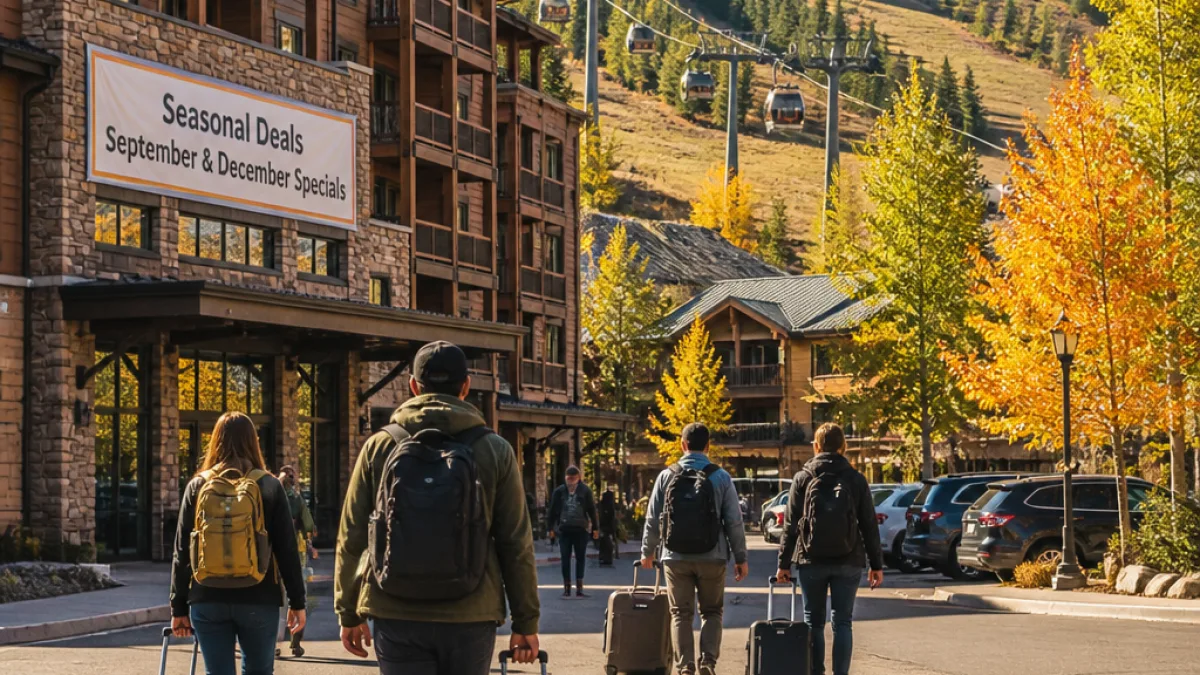
That increase comes with a pronounced emphasis on lower-demand windows. September and October — months that typically carry reduced rates — recorded larger gains in bookings as tourists prioritized price over peak-season timing.
"September and October (are) where the focus turned. That's a summer traveller that's still looking for a summer or fall experience, but doesn't want to spend the full summer rate," said Tom Foley, director of Business Intelligence for Inntopia. "So it's very attractive as a travel option, particularly September, simply because … you're not spending nearly as much as you would for a July or an August stay."
Price sensitivity reshapes when and how people travel
Foley said travelers who pick September or October can realize savings of roughly 15% to 35% per night compared with peak-summer pricing, an incentive that appears to be reshaping demand patterns. Colorado’s average daily rate for July rose modestly, up 4%, but that increase lagged the 5.7% gain recorded across the seven western states Inntopia tracks.
Analysts said the relative restraint in Colorado’s July rate gains could be advantageous if consumers continue to favor lower-cost options as the season winds down. Lodging properties and resorts are increasingly using discounted packages and early offers to capture travelers who might otherwise skip a getaway.
Early December demand signals hope for ski season
Booking data also showed early strength for December across Colorado mountain destinations. Foley attributed the uptick to travelers who are buying early lodging offers for the coming ski season — a reaction in part to last year’s disappointing snowpack.
Some resorts have marketed promotions below last season’s rates to attract bookings, aiming to convert pent-up demand from winter visitors who missed expected snow coverage the previous year. "There’s the emotional need to fulfil what you didn’t get last year, and a reduced rate helps with that," Foley said.
What this means for local economies and travelers
Shifts in when visitors travel can affect businesses that depend on steady summer traffic. Short-term rental managers, restaurants and activity providers that count on July and August bookings may see more dispersed demand, while midweek and shoulder-season operators could benefit from the September and October surge.
- Occupancy trend: Summer occupancy up 3% as of July 31.
- Rate movement: Colorado average daily rate up 4% in July (western states average 5.7%).
- Shoulder-season savings: Travelers can save 15%–35% per night by choosing September/October.
For travelers, the data suggest practical tactics to find value: book shoulder-season dates, hunt for early-season ski deals in December, and compare package pricing across lodging platforms.
| Metric | Colorado (July) | Western states average |
|---|---|---|
| Average daily rate change | +4% | +5.7% |
| Summer occupancy change (as of July 31) | +3% | — |
Looking ahead
Industry observers say continued price sensitivity among travelers could keep demand shifted into the fall shoulder months unless weather or macroeconomic conditions prompt a stronger return to traditional peak-season spending. For Colorado’s mountain communities, the pattern offers both challenges and opportunities: businesses reliant on midsummer crowds may need to adapt marketing and operations, while those positioned to serve shoulder-season visitors could see growth.
Inntopia’s briefing provides an early barometer for lodging managers and local leaders planning staffing, programming and promotional calendars for the rest of 2026 and the approaching ski season.
— Hannah Sorensen, State Correspondent