Amnesty International on Thursday urged an independent war crimes investigation into an Israeli attack that killed Lebanese journalist Amal Khalil and seriously wounded a colleague, renewing international criticism over civilian casualties and the protection of reporters in conflict zones.
Events and immediate aftermath
Amal Khalil, 42, a long‑time correspondent for the Lebanese newspaper Al‑Akhbar, and 21‑year‑old freelance photographer Zeinab Faraj were reporting in the southern Lebanese village of al‑Tiri on April 22 when a drone strike struck what Amnesty described as a civilian vehicle in front of them. A subsequent strike struck the journalists’ car, injuring both.
- The first strike hit a civilian vehicle traveling ahead of the journalists.
- A second strike struck the journalists’ car, wounding Khalil and Faraj.
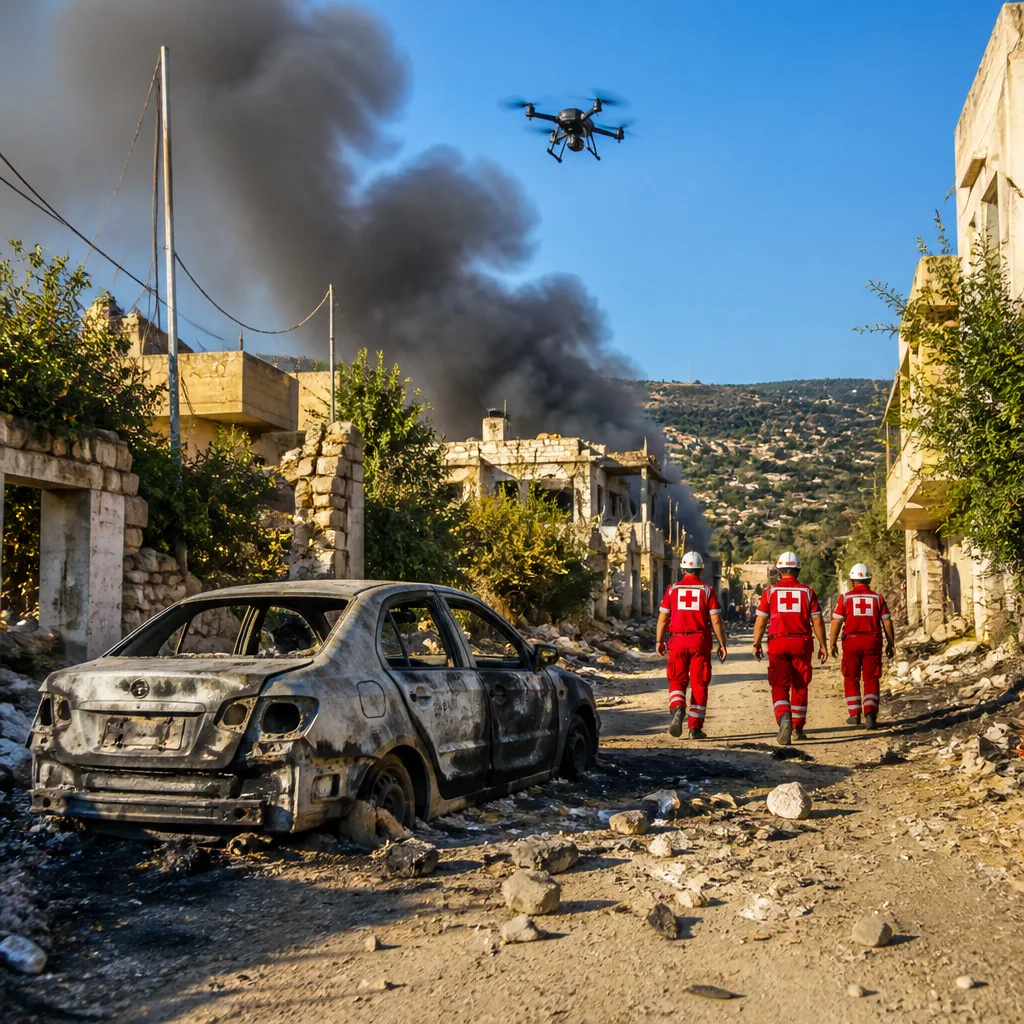
- As they sought shelter in a nearby building, drones reportedly hovered above for roughly two hours before the structure was bombed and collapsed.
- Lebanese Red Cross workers recovered Faraj from the rubble; rescuers withdrew before they could reach Khalil because of feared further attacks.
Medical authorities later recorded Khalil’s cause of death as cardiac arrest resulting from severe head trauma and bleeding hours after rescuers were forced to withdraw. Faraj survived with critical injuries, including a fractured skull, serious leg and eye wounds and a crushed hand.
Claims, denials and calls for accountability
Lebanese Prime Minister Nawaf Salam condemned the attack at the time, labeling it "a clear‑cut war crime." The Israel Defense Forces responded that the area had been declared off‑limits and said its forces were engaging Hezbollah militants. An IDF spokesperson stated,
"The IDF does not target journalists in any way and works as much as possible to minimize harm that may befall them while maintaining the security of our forces."
Human rights advocates, journalists’ organizations and Lebanese officials have argued that the circumstances — including the reported prolonged drone presence, the withdrawal of rescuers under threat, and the deaths and injuries to clearly identified media workers — justify an impartial investigation into whether international humanitarian law was breached.
Wider context and consequences
Rights groups highlighted that Khalil’s death is part of a larger pattern of media casualties amid Israel’s operations in Lebanon and Gaza. The Amnesty report noted that dozens of journalists have been killed or injured in Lebanon during the current period of fighting, while the toll in Gaza has reached into the hundreds. Those figures have fueled broader accusations from human rights organizations that Israel’s operations, particularly in Gaza, have produced catastrophic civilian harm.
International scrutiny of incidents that involve journalists often centers on whether parties to armed conflict took feasible precautions to avoid civilian harm, whether journalists were deliberately targeted, and how rapidly and safely rescuers were allowed to recover the wounded and dead. Amnesty’s findings will likely intensify international pressure for transparent investigations, potential referrals to international mechanisms and renewed debate over protections for press workers in active combat zones.
| Region | Reported media casualties (per Amnesty report) |
|---|---|
| Lebanon | Dozens killed or wounded |
| Gaza | Hundreds killed or wounded |
Legal experts and advocacy groups say documented incidents such as the strike that killed Khalil could support inquiries by international bodies or prompt national prosecutors to open war crimes investigations, depending on cooperation from states involved and access to evidence. For journalists operating in conflict zones, the case underscores persistent dangers even when reporters are plainly identified and raises questions about the conduct of aerial and drone operations in populated areas.
Amnesty’s publication of its investigation is likely to feature in diplomatic discussions and at human rights forums where calls for accountability — including independent probes — have been repeatedly advanced since the resumption of hostilities in the region.