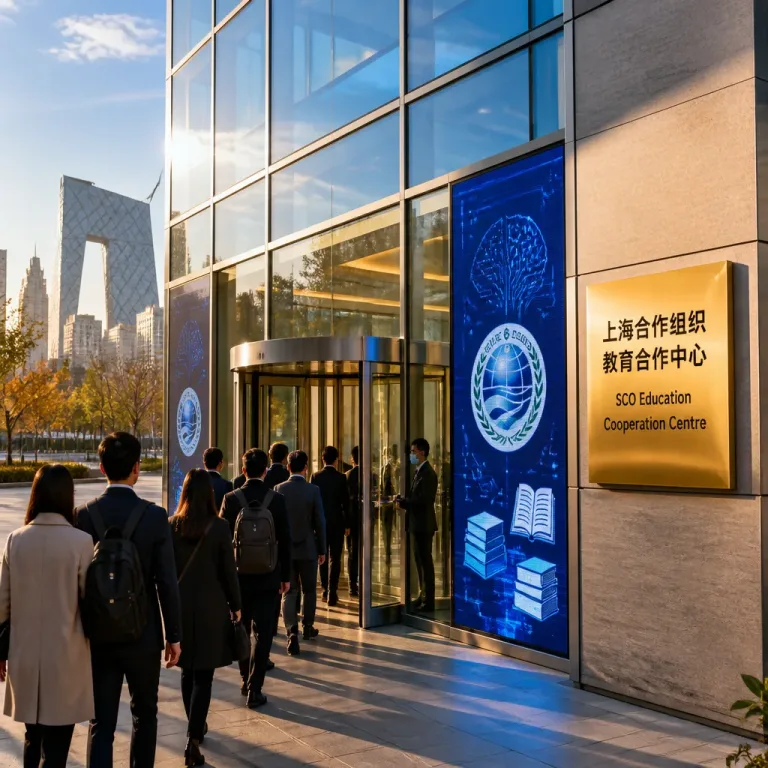
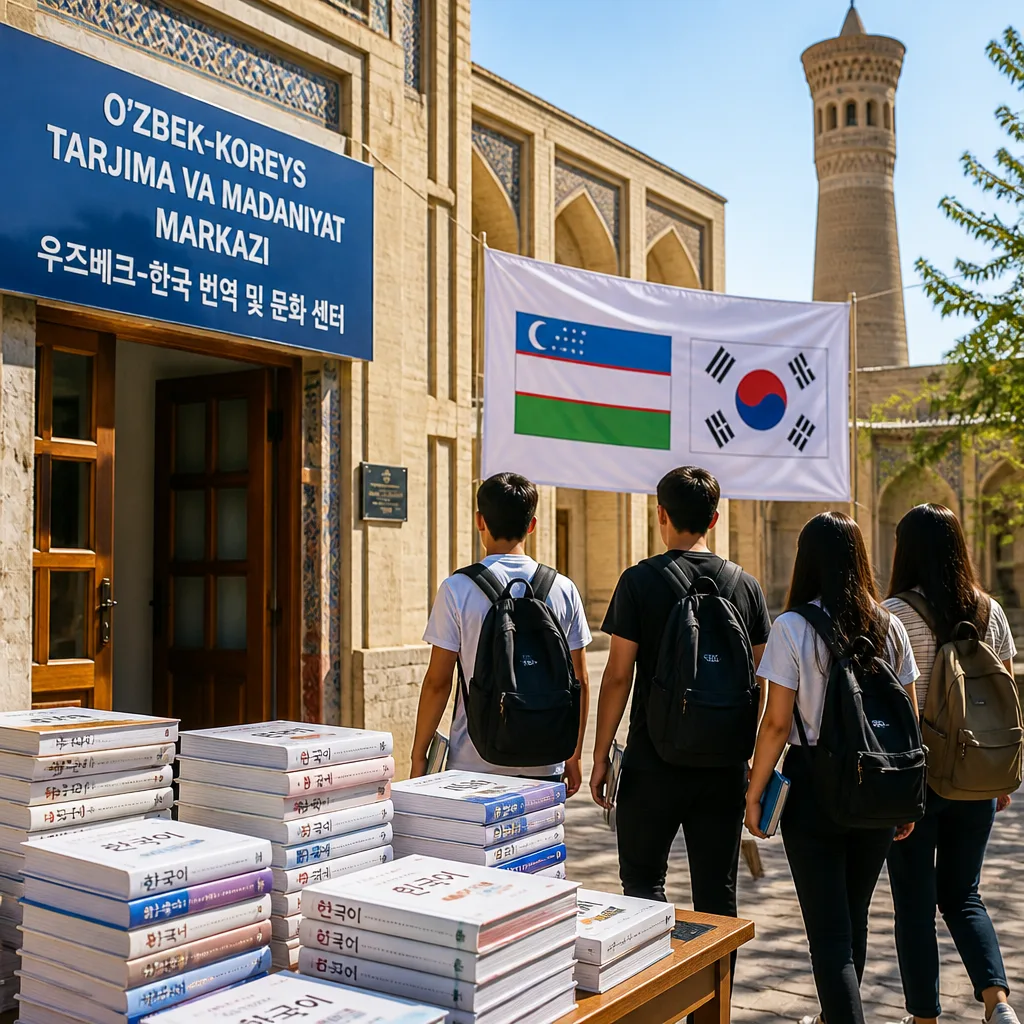
The government of Uzbekistan and South Korea have opened a new centre in the city of Bukhara to train Korean-language teachers and develop university-level instruction outside the capital, a move intended to meet rapidly rising demand for Korean classes across the country.
Regional access to teacher training
The Bukhara State Pedagogical Institute has established a Korean language department and the Tashkent Korean Education Center has set up a teacher training centre on the institute’s campus, South Korea’s Education Ministry said on Thursday. Bukhara lies about 400 kilometres west of Tashkent.
Until now, the National Pedagogical University of Uzbekistan named after Nizami in the capital was the nation’s only university offering a Korean language department, and professional training for local teachers had been available only through the Korean Education Center in Tashkent. The new facilities in Bukhara are intended to operate as regional hubs for western Uzbekistan, serving Bukhara, Navoi and Urgench.
Rapid expansion in school provision
Korean-language instruction has grown quickly in recent years. According to the Education Ministry, the number of schools offering Korean classes has risen markedly:
| Year | Schools offering Korean |
|---|---|
| 2022 | About 40 |
| 2023 | 4 (Bukhara region) |
| August 2026 | 25 (Bukhara region) |
| 2026 (national projection) | Roughly 200 expected |
The new Bukhara university department is expected to train 60 Korean-language teachers annually, while the teacher training centre will provide continuing professional development for instructors currently teaching in regional schools. The centre will also offer language courses and cultural programming for local residents. South Korea’s Education Ministry has committed to fund the centre’s programmes and operations.
Practical implications for classrooms and communities
For pupils and schools in western Uzbekistan, the developments mean improved local access to qualified teachers and course materials. For policy-makers and school leaders, the move addresses a common barrier to expanding foreign-language provision: the geographic concentration of teacher training in capital cities.
- Teacher supply: Annual training of 60 teachers should bolster staff numbers, easing recruitment pressures.
- Geographical reach: A regional hub reduces travel and relocation burdens for trainees from Navoi, Urgench and surrounding areas.
- Community engagement: Local language and cultural programmes may increase interest among learners and families.
The concentration of teacher education in Tashkent had limited expansion of Korean programmes beyond the capital. By decentralising training, Uzbek authorities and their South Korean partners aim to create sustainable pipelines of teachers and to embed Korean studies in regional higher education.
Context: cooperation and demand
The expansion follows several years of cooperation between Uzbekistan and South Korea to promote language education. The scale of growth in the number of schools offering Korean — from scores recorded nationally in recent years to a much larger projected cohort this year — indicates strong demand, likely driven by cultural, educational and economic links between the two countries.
For school leaders and local education officials, the key challenge will be to ensure that newly trained teachers enter classrooms with adequate resources and ongoing professional support. Continued funding for the Bukhara training centre and coordination with existing institutions in Tashkent will be essential to translate institutional promises into everyday gains for pupils.
As Uzbekistan broadens its university-level provision in foreign languages, the Bukhara initiative offers an early example of how targeted investment and international partnership can shift provision away from capital-centric models and into the regions where many learners live.