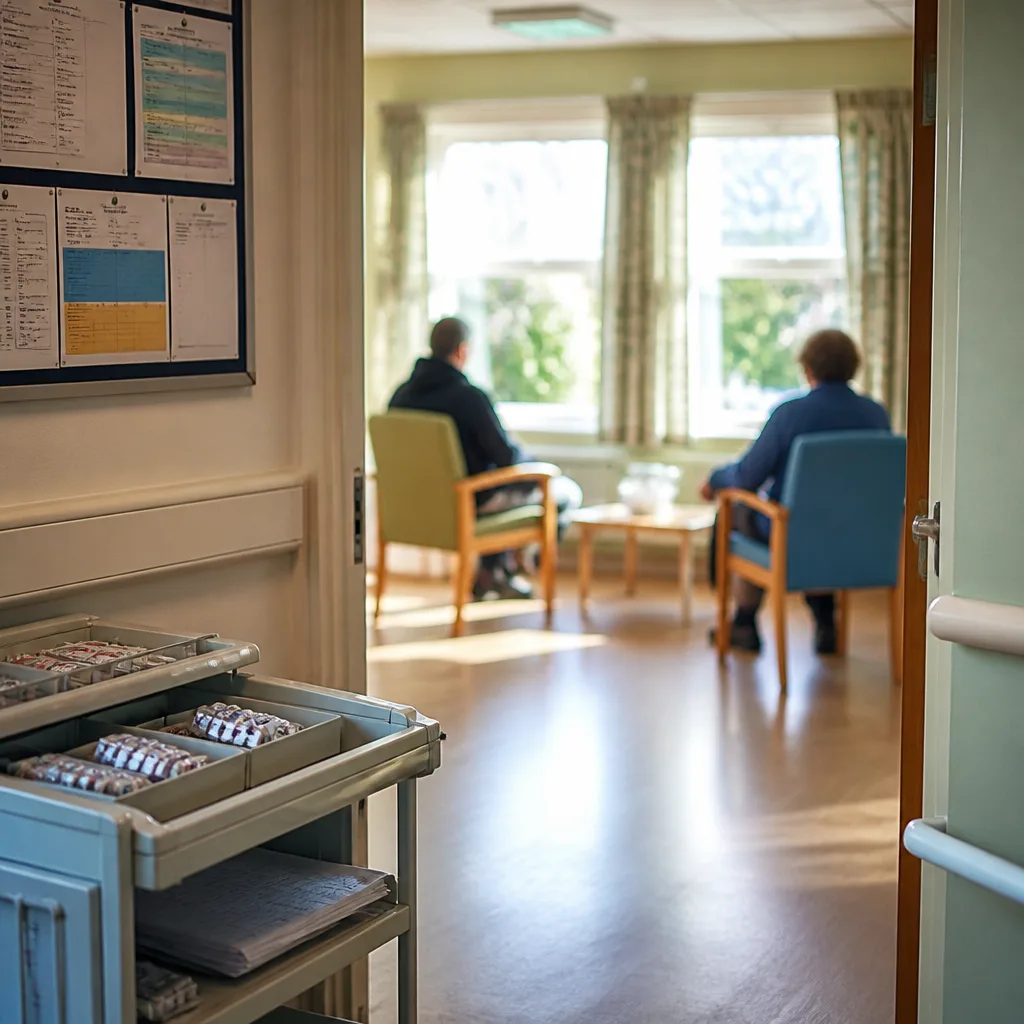
The Care Quality Commission (CQC) has downgraded Pine House Rehabilitation Unit in Bacup, Lancashire, to an inadequate rating and placed the service in special measures after inspectors found serious shortcomings in patient care, leadership and safeguarding.
Inspection found patients felt isolated and lacked clarity about leaving
In a follow-up inspection carried out in May, the watchdog concluded that people detained at the community rehabilitation hospital experienced a "sense of hopelessness" about their chances of discharge and described feeling "isolated and lonely". The report said some patients were only able to see their psychiatrist for around 10 minutes a month, sometimes via video call.
"It was concerning that leaders didn't have a good understanding of Mental Health Act requirements," the CQC's regional deputy director of mental health, Craig Howarth, said.
Inspectors identified poor information sharing with other services. One person was recorded as being on leave to a care home for six months when the authorised period was only a week, a failure the CQC linked to insufficient communication between providers.
Use of segregation, restraint and medicines raised serious concerns
The report highlighted a high level of long‑term segregation and regular use of restraint — practices the CQC said "shouldn't be happening on a regular basis in a community rehabilitation hospital". Inspectors also found instances where medicines were administered without relevant consent or a second opinion, and that people did not always have their rights clearly explained, affecting their understanding of what they needed to do to leave the service.
The CQC said these failings had "a negative effect on peoples' mental health" and indicated wider leadership problems: the service had not had a registered manager in post since November 2023, and leaders were judged not to have the "skills, knowledge or experience to lead the service effectively".
Provider response and regulatory action
The unit is operated by Kibo Hospital Services Ltd, part of Krinvest Care Group. The operator said it had taken the CQC's concerns "seriously" and had already begun implementing improvements. The CQC has started the process of taking regulatory action against Kibo Hospital Services Limited; the provider retains the right to appeal.
Officials did not publish further detail about the precise regulatory steps being pursued or timelines for improvement in the public summary available at the time of publication.
- Access to psychiatric review: typically around 10 minutes per month.
- Leadership: no registered manager since November 2023; leaders judged insufficiently experienced for the service.
- Safeguarding and practices: high levels of long‑term segregation, repeated use of restraint, and medicines given without appropriate consent/second opinion.
| Issue | Finding |
|---|---|
| Patient experience | Described as "isolated and lonely"; sense of hopelessness about discharge |
| Clinical oversight | Very limited psychiatrist contact (~10 minutes/month) |
| Safeguarding | Excessive segregation and restraint; medication without consent/second opinion |
| Leadership | No registered manager since Nov 2023; insufficient Mental Health Act knowledge |
This decision follows a previous rating of "requires improvement" and a targeted follow-up inspection. The CQC's findings underscore persistent risks in some community mental health rehabilitation settings, where people detained under mental health legislation depend on clear processes, consistent clinical oversight and effective leadership.
From a national perspective, the report highlights several challenges that are recurrent across adult mental health services: ensuring meaningful clinical contact time, preventing inappropriate use of segregation and restraint, maintaining continuity of care when people move between services, and embedding sufficient leadership expertise to meet legal obligations under the Mental Health Act.
Regulators can impose a range of actions when services are rated inadequate, from requirements to produce timebound improvement plans to restricting admissions or ultimately pursuing enforcement. The provider has indicated it is implementing changes; the CQC has begun formal regulatory proceedings and the provider may appeal.
For patients and families, the CQC's conclusions will raise questions about the safety of other rehabilitation units. The watchdog's role is to judge care against legal standards and to take action where people are at risk; this report will now inform local commissioners and NHS oversight bodies as they determine whether further interventions are needed to protect people using the service.
While the operator has said it is making improvements, the published inspection makes clear that substantive changes will be required to restore confidence and meet statutory duties in delivering safe, effective and person‑centred mental health rehabilitation care.