Students moved after mould found in building mechanical system
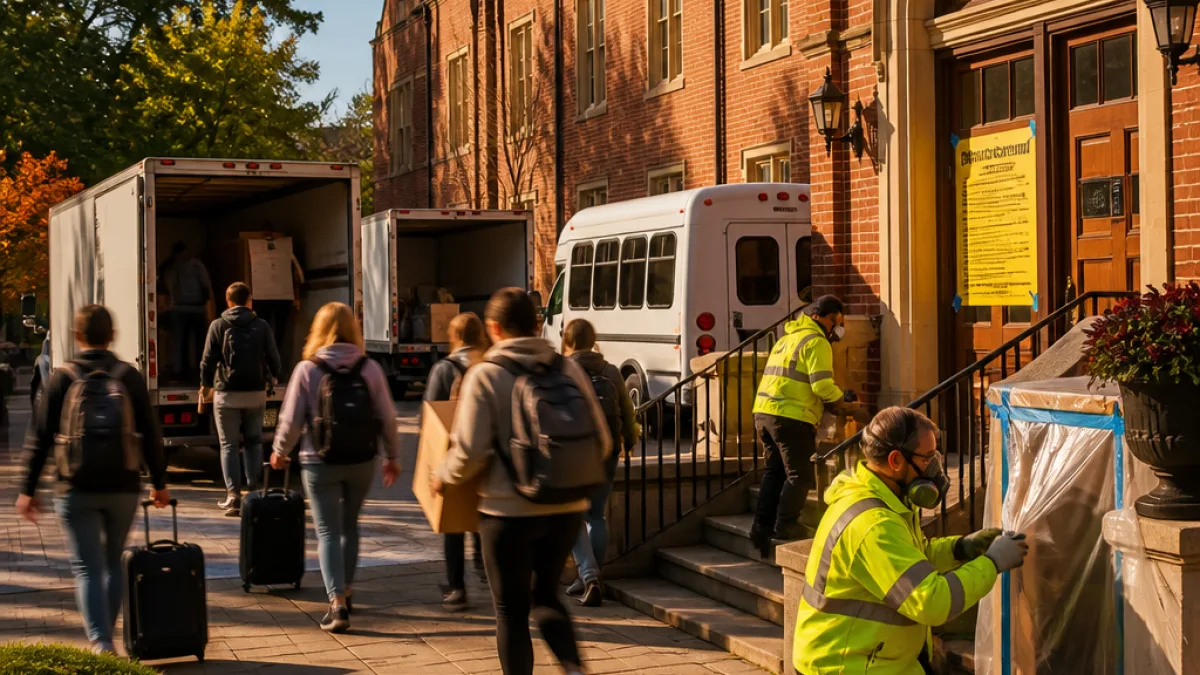
Students at a US college were relocated from one of their residence halls after staff discovered mould in the building’s mechanical system. The college announced the finding on 4 September and has hired a mould remediation company to assess and begin cleanup. Officials expect remediation to take about six weeks and say they are working with the local health department and environmental professionals to ensure the building is safe before students return.
The institution also disclosed that separate, isolated instances of mould had been identified in individual rooms as early as August. At that time, the college said its work and the advice of an outside expert did not indicate a broader, building‑wide issue. When facilities staff later identified a building‑wide concern on 4 September, the college moved quickly to relocate affected students.
- Immediate action: Students were moved to other campus housing while remediation work is underway.
- Assistance provided: Each displaced student received $500 in campus funds to help with food and other purchases.
- Oversight: The college is working with the local health department and environmental professionals to verify safety before reoccupation.
For local readers in Mold, the episode is a reminder of the practical steps institutions and landlords should take when mould is suspected in communal buildings. Swift identification, professional assessment, temporary relocation where necessary and collaboration with health authorities were all central to the college’s response.
"When SNC facilities staff identified a building‑wide concern on September 4, 2026, the College took immediate action."
Timeline and key facts
The facts released by the college provide a clear timeline for action and support measures:
| Event | Date / Detail |
|---|---|
| Isolated mould cases in rooms | August — individual, apartment‑specific instances identified |
| Building‑wide concern found | 4 September 2026 |
| Estimated remediation time | About six weeks |
| Support for displaced students | $500 in campus funds per student |
Those figures map a rapid escalation from isolated findings to a building‑level intervention and show the practical support the college provided to ease immediate disruption.
What this means for tenants and landlords
While the event took place across the Atlantic, the sequence of events contains useful, factual pointers for anyone managing or living in shared accommodation in Mold or elsewhere:
- Early identification of mould in individual units should trigger careful monitoring for wider problems;
- When a building‑wide contamination is suspected, professional remediation and involvement of environmental and health authorities is appropriate;
- Temporary relocation and financial assistance are legitimate responses to protect residents’ health and wellbeing while work is carried out.
Local councils and housing associations in Wales already maintain guidance on damp and mould in homes. This case underlines that, in communal settings such as halls of residence, mechanical systems can be a source of contamination and so must form part of any inspection or assessment.
For now, the college has committed to completing the remediation before students return and has been open about the steps taken. The combination of a professional cleanup, health‑department involvement and per‑student assistance provides a practical template that tenants in Mold and landlords alike may wish to note when dealing with similar problems.
Residents with concerns about mould in their homes should seek advice from their local authority environmental health team and consider getting qualified contractors to inspect mechanical and ventilation systems where appropriate.