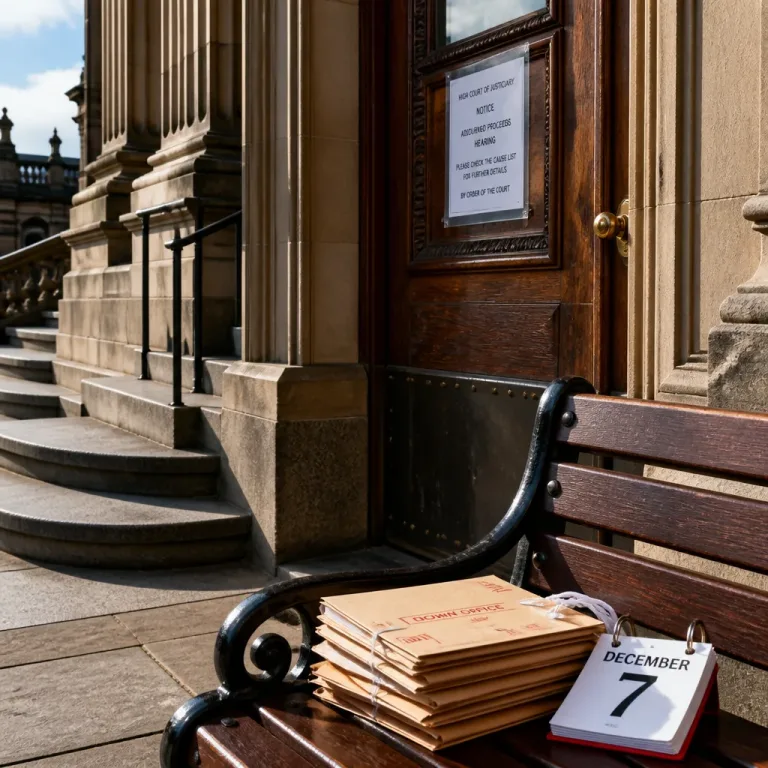

A High Court hearing to determine recovery of assets connected to the conviction of former SNP chief executive Peter Murrell has been deferred until 7 December, the Scottish Courts and Tribunals Service confirmed on Thursday.
Adjournment agreed by judge after requests from both parties
Mr Murrell, 61, is serving a custodial sentence of five years and three months at HMP Dumfries after being convicted of stealing more than £400,000 from the party. The deferred hearing concerns attempts by prosecutors to recover the sums that were found to have been misappropriated.
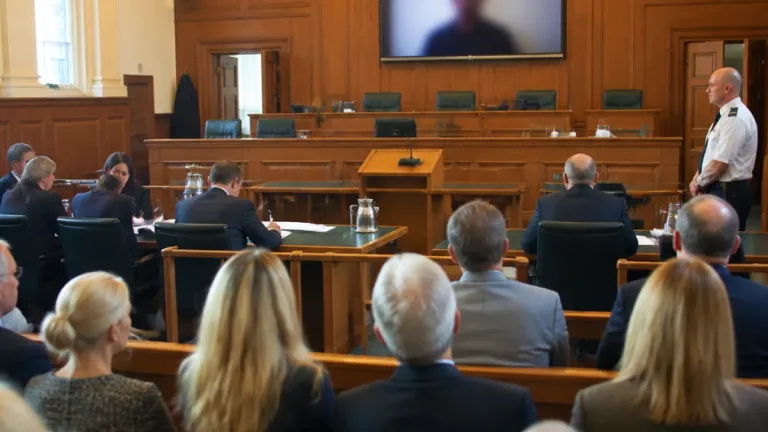
The court was told that both the Crown and defence counsel had applied for an adjournment. No further procedural detail was provided at the brief hearing on Monday, only that the judge had acceded to the joint request to postpone the proceeds of crime proceedings until the winter sitting.
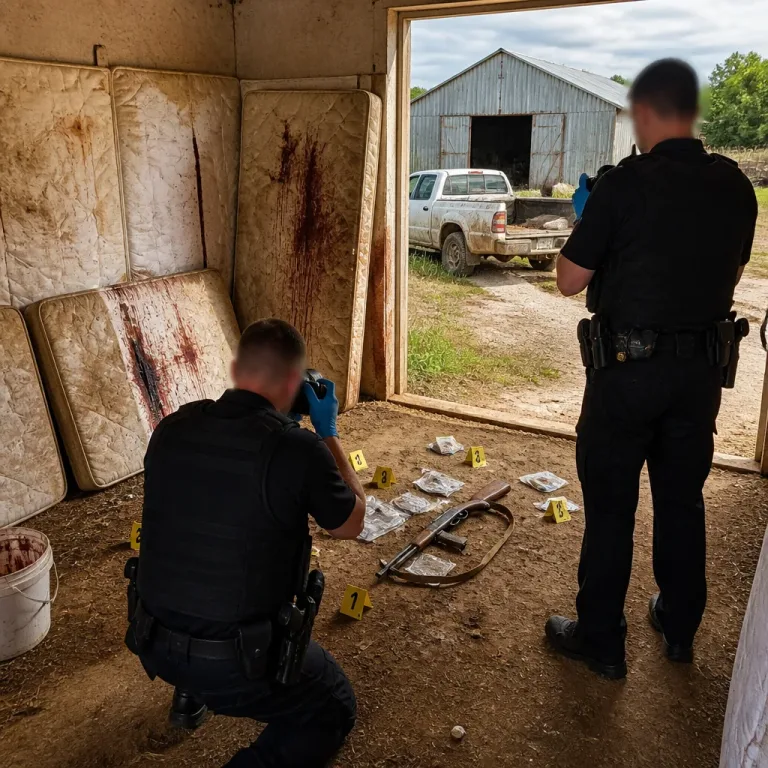
Documents and evidence assembled during the police inquiry describe a range of purchases made with party funds, which investigators say funded a lifestyle beyond what would be expected from legitimate party expenditure. The largest single acquisition disclosed in court papers was a motorhome costing £124,500 which, according to reports, was fitted with high‑end extras.
"This was SNP money, SNP accounts, SNP credit cards, used privately for the benefit of an individual,"
The quote was made by a source familiar with the investigation and has previously been cited in court reporting as summarising investigators' conclusions. Police Scotland launched an inquiry into the SNP's finances in 2021 after questions were raised about funds raised for a proposed second independence referendum; that inquiry ultimately uncovered the criminal conduct for which Mr Murrell was convicted.
What the postponed hearing means
The adjournment delays a formal judicial determination on whether the Crown can recover funds and assets under proceeds of crime legislation. Such hearings can result in orders to confiscate money, property or other assets proportional to the benefit obtained through criminal activity. Defence lawyers for Mr Murrell have previously indicated he could repay the amount taken, but said any repayment could not be completed until after the resolution of the Crown's civil recovery application.
- Conviction: Theft from a political party resulting in a custodial sentence.
- Amount involved: In excess of £400,000; largest documented purchase a motorhome costing £124,500.
- Next court date: 7 December.
Legal practitioners note that adjournments in high‑value confiscation cases are not uncommon, as both prosecution and defence often require additional time to collate financial records, valuations and disclosure. The Crown must demonstrate the connection between the defendant's criminal benefit and the assets targeted for recovery; the defence may contest those links or advance proposals for settlement or staged repayment.
For political organisations and campaign finance oversight there is a reputational dimension to the case that continues to resonate. The inquiry into the SNP's fundraising — originally launched over concerns about monies raised for a referendum campaign — expanded into a criminal investigation that exposed misconduct by a senior party official and prompted intense media scrutiny when officers searched party headquarters and a private residence in April 2023.
| Item | Detail |
|---|---|
| Convicted individual | Peter Murrell, former SNP chief executive |
| Sentence | 5 years 3 months imprisonment |
| Value of theft | More than £400,000 |
| Notable purchase cited | Motorhome costing £124,500 |
| Next hearing | 7 December (High Court, Edinburgh) |
The proceeds of crime process is separate from the criminal trial and focuses on recovering the financial benefit of offending. Outcomes can include confiscation orders, restraint measures and, in some cases, negotiated repayments. The case will return to the High Court in Edinburgh in December, when the judge will resume consideration of the Crown's application to recover funds on behalf of the public purse.
As proceedings progress, the court will consider both evidential material and submissions from counsel for the Crown and the defence. Any decision will be subject to appeal rights and further legal challenge in the established judicial hierarchy.