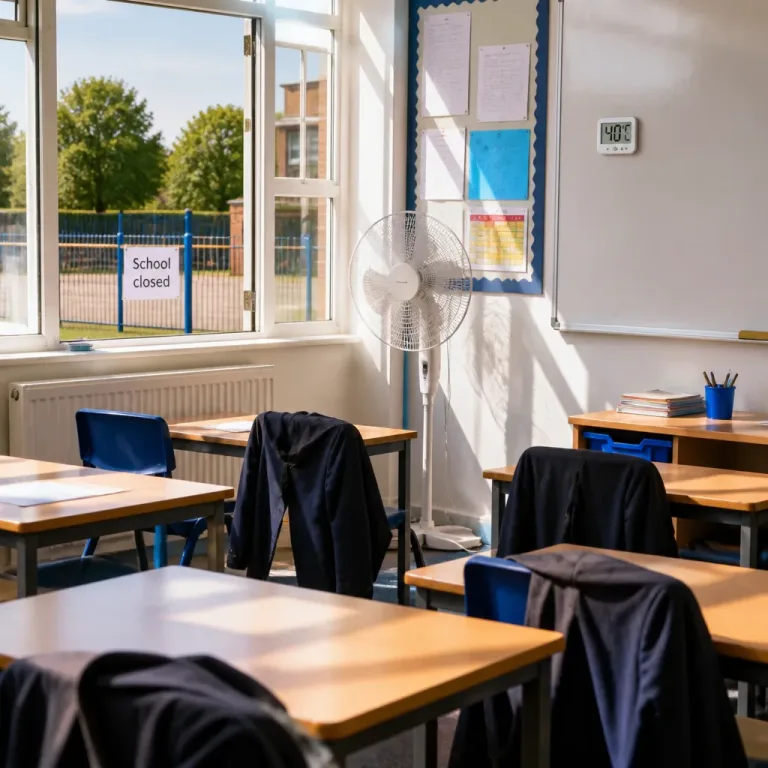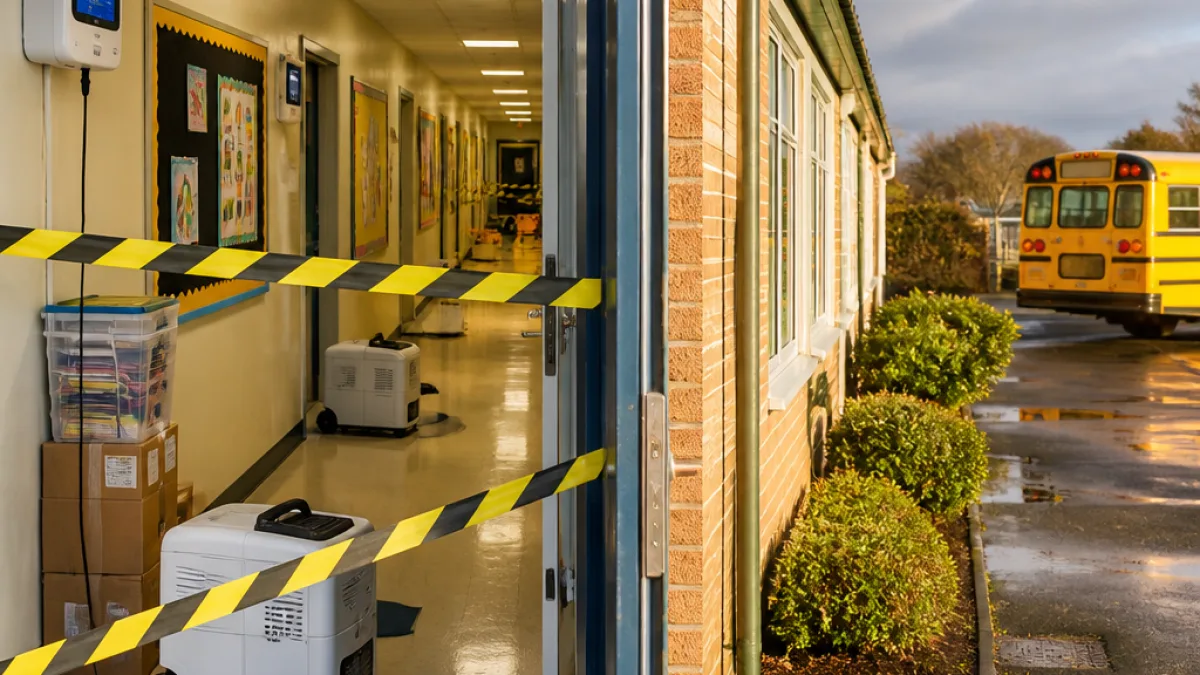
Mold — the word carries a double meaning for readers here: both the town and the health risk affecting school buildings. In New Jersey, Hardyston Elementary was ordered closed until further notice after air quality and surface testing found airborne mould spores in two office areas and, on deeper inspection, in multiple locations across the building.
How the situation unfolded
According to the district superintendent, testing was carried out in late August after staff reported an odour and dampness in two office spaces. The initial results prompted an immediate, extensive remediation programme. The district temporarily shut both the elementary and middle schools on Tuesday, 8 September to allow planning for the next steps. Pupils had only returned to school after the summer break on Thursday, 3 September.
- The testing identified airborne mould spores in two office areas.
- Remediation contractors later found mould in various other parts of the building.
- Students were to be relocated to the middle school for in-person learning rather than move to remote classes.
“Air quality and mold testing was conducted at the elementary school,”
The superintendent told the school community the initial remediation work was being carried out by a firm named Mold Men and that the district was liaising with its insurers about costs. Remediators told the district they believed the mould to be recent and the result of a combination of environmental factors. At the time of the statement, it was not known whether anyone had become ill from exposure.
Why this matters to Mold residents
Although the event occurred across the Atlantic, the account underlines a number of issues of clear local interest. School buildings in Wales are a mixture of ages and materials; many have been subject to changing budgets, retrofitted ventilation and varying upkeep. The Hardyston case shows how quickly a concern raised in a small area of a building can lead to a wider remedial response and disruption to schooling.
Local headteachers, governors and council officers will recognise the practical choices the district made: prioritise pupil safety, seek rapid professional assessment, engage specialist contractors and identify temporary accommodation for students rather than close face-to-face provision entirely. These are the same decisions Welsh schools would face if mould were discovered in similar circumstances.
| Key dates | Action |
|---|---|
| Late August | Testing after reports of odour and humidity |
| 3 September | Pupils returned after summer break |
| 8 September | Both schools closed to plan remediation and relocation |
Practical takeaways for parents and school staff
Residents in Mold and across Flintshire may wish to check the following with their local schools and councils:
- Whether routine air-quality and damp inspections are carried out and recorded.
- How quickly a report of odour or damp would trigger testing and specialist remediation.
- What contingency arrangements exist for pupils if parts of a school need to be vacated — including on-site relocation, use of other local school space or short-term changes to timetables.
Officials in Hardyston decided not to move to remote learning immediately, instead using available space at the middle school to keep pre-K–4 pupils in person. That choice reflects one approach to maintaining continuity for younger children, though the superintendent warned the elementary community it could be several weeks before the building was safe and re-opened.
The episode also highlights the role of insurance and the need for clear communication. The US district said it was in contact with its insurance providers to navigate costs — an issue mirrored in many UK authorities, where responsibility for repairs and remediation can involve multiple funding routes.
For now, the most immediate facts are simple: tests identified airborne mould spores in office areas; remediation contractors found mould elsewhere; pupils have been relocated temporarily and the district expects a potentially prolonged closure. Whether in Hardyston or here in Mold, those are the realities that school communities, governors and parents must plan for.