
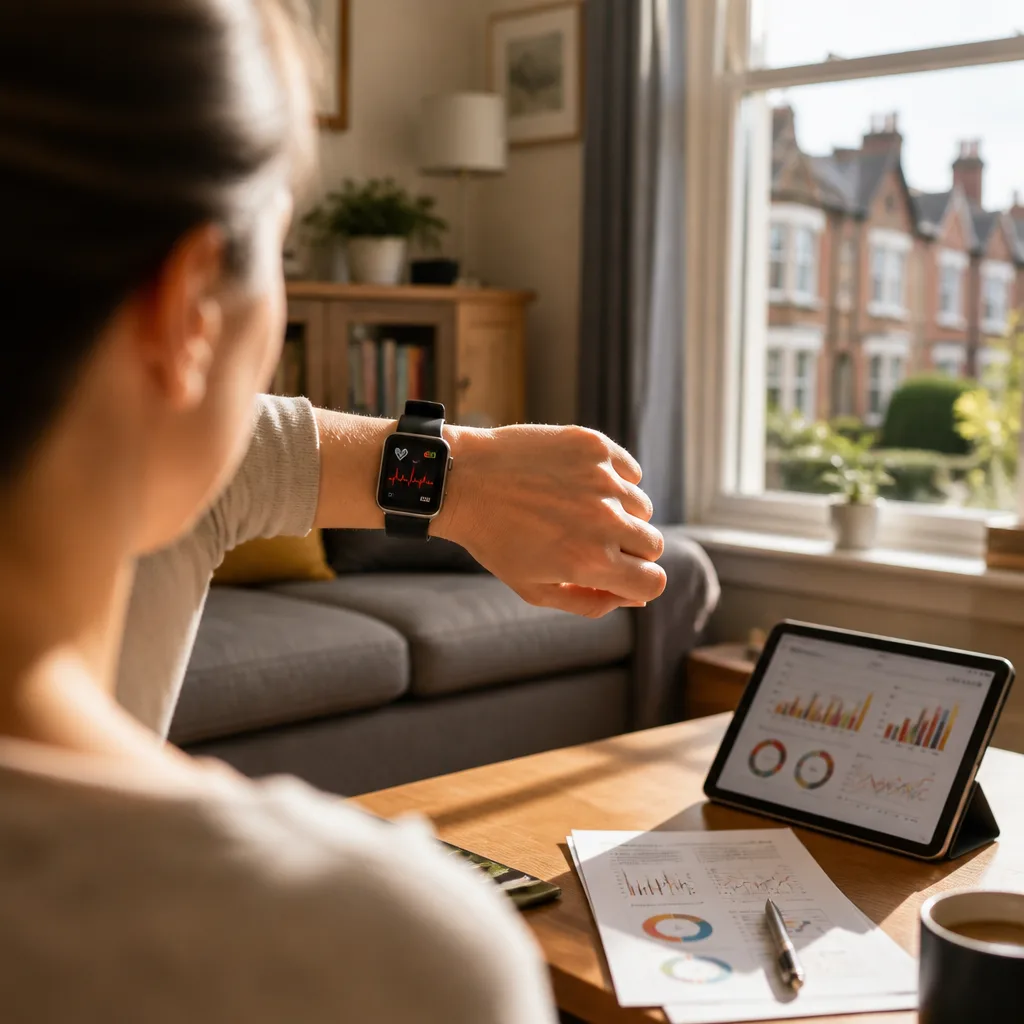
The latest Samsung Galaxy Watch9 pairs a faster chipset and additional wellness measurements with a new hands‑free AI activation, but real‑world use highlights continued trade‑offs between functionality and battery life — and unanswered questions about how far consumer wearables can be relied on for medical decision‑making.
Hardware and software changes
Samsung has equipped the Watch9 with Qualcomm’s Snapdragon Wear Elite platform, a change that improves responsiveness when navigating menus and launching apps. The device runs Wear OS 7, which adds more customisable widgets and live app updates. A notable convenience feature is a raise‑to‑talk interaction for Google’s Gemini assistant, letting users start voice input by lifting the wrist toward the mouth — an interface already seen in rival smartwatches.
The Watch9 comes in two sizes and finishes. The 40‑millimetre model is offered in cream and graphite; the 44‑millimetre option comes in graphite and silver. Pricing in the source material began at US$80 for unspecified configurations.
Expanded health suite and practical limits
Samsung has broadened the watch’s wellness metrics compared with the previous generation. While that expansion may assist users wanting more granular fitness and sleep information, the medical community distinguishes such consumer metrics from clinically validated measurements. Peer‑reviewed research has found that the accuracy of wrist‑worn sensors varies by metric and by vendor, with performance typically better for step counting and heart‑rate trends than for more complex measures such as arrhythmia detection or blood‑pressure estimation. Correlation with clinical instruments does not equate to interchangeability, and manufacturers’ wellness features are not a substitute for healthcare assessment.
Practically, the Watch9’s wider range of health functions appears to be one reason Samsung’s modest battery increases do not translate into longer usage between charges. The smaller model now houses a 390‑mAh cell (up from 325‑mAh), and the larger model has a 445‑mAh cell (modestly larger than before). Samsung’s estimate of up to 30 hours remains, but hands‑on experience in the source material produced closer to a day and a bit — around 25 hours with the Always‑On Display active — meaning daily charging is still typical for many users.
- Processor: Qualcomm Snapdragon Wear Elite
- Software: Wear OS 7 with more widgets and live updates
- New interaction: raise‑to‑talk for Google’s Gemini assistant
- Battery (real world): around 25 hours in the reviewer’s test with Always‑On Display
| Model | Battery (this gen) | Battery (previous gen) |
|---|---|---|
| 40 mm | 390 mAh | 325 mAh |
| 44 mm | 445 mAh | 435 mAh |
What this means for users and the NHS
For consumers already embedded in Samsung’s ecosystem, the Watch9 represents a capable day‑to‑day smartwatch with more health indicators than prior models. However, readers should be clear about the distinction between wellness tracking and medical devices: the new metrics may help users spot trends or prompt a visit to a clinician, but they do not replace diagnostic testing or professional evaluation.
Health services have begun to explore the potential of wearables for remote monitoring and early detection in controlled studies, but wide adoption requires robust validation and interoperability with clinical records. For the average user, the trade‑offs remain practical — improved sensors and software features versus the reality of more frequent charging and the absence of regulatory clinical endorsement for many on‑device measurements.
In short, the Galaxy Watch9 is a refined everyday tracker with useful software perks, yet its added health capabilities should be used cautiously and alongside medical advice when health concerns arise.














