Salesian Missions, the US development arm of the Salesians of Don Bosco, has published new details of its global education and youth-support work as the world prepares to mark International Youth Day on 12 August. The charity emphasises that meeting young people’s basic needs is a precondition for effective learning and long-term employment prospects.
Scale of provision and demographic pressures
The organisation, which operates in more than 130 countries, says it runs a wide range of social development programmes alongside formal education. Its network includes over 5,500 primary and secondary schools and in excess of 1,000 vocational, technical, professional and agricultural schools worldwide, offering routes into both academic study and jobs-based training.
Salesian Missions highlighted United Nations demographic projections to underline the urgency of its work. The UN has observed that a majority of the global population is aged 30 or under, a share forecast to rise to 57% by the end of 2030. The charity added that, by 2050, people who are under 25 today will make up more than 90% of the prime-age workforce, increasing pressure to equip young people with skills and employment prospects.
Why basic needs matter for education
The organisation argues that for children and young people living in poverty, educational progress depends first on access to essentials such as nutrition, safe shelter and healthcare. Salesian centres provide a combination of services — from feeding programmes and youth centres to medical clinics — aimed at stabilising young people’s lives so they can engage with schooling and training.
"Salesians are focused on education but know that youth in poverty must focus on basic needs before focusing on school," said Father Michael Conway, director of Salesian Missions.
Those services are presented as complementary: community-based support addresses immediate vulnerability while schools and vocational centres deliver the skills that can lead to longer-term self-sufficiency.
Programmes in practice: an Ecuador case study
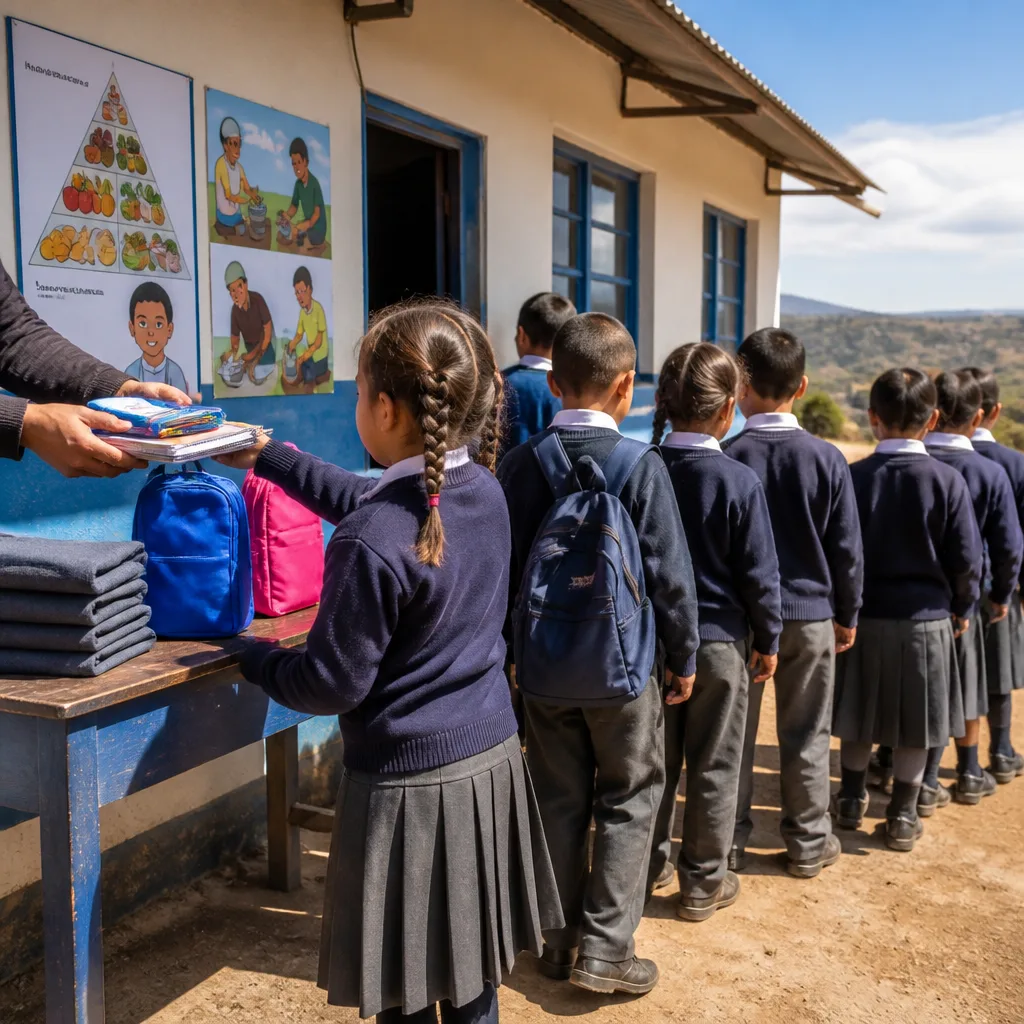
In one example cited in the charity’s material, Salesian Missions funded improvements at San Patricio Basic Education School in Quito, Ecuador. Donor funding supported teacher training and provided school kits and uniforms for pupils. The project aimed to raise the quality of provision for 190 children from low-income backgrounds, while complementary psychological support was also offered.
The organisation uses such case studies to illustrate the twin approach of addressing immediate barriers to attendance and investing in teaching quality so that young people can benefit once they are in school.
Implications for policy and practice
Those working in education and youth services in the UK and internationally may draw two clear messages from Salesian Missions’ account. First, interventions that only target classroom instruction risk limited impact unless they also tackle food insecurity, poor housing and basic health needs. Second, the combined provision of formal schooling and vocational training is presented as a necessary strategy to prepare young people for a rapidly changing labour market.
For governments and education funders, the charity’s figures underline the scale of investment required to meet both educational quality and the broader welfare needs that affect attendance and attainment. For schools, especially those working with deprived communities, the message is that partnerships with social services and non-governmental organisations are often essential to create the conditions for learning.
- Global footprint: activity in over 130 countries.
- Education network: more than 5,500 primary and secondary schools; over 1,000 vocational and technical centres.
- Demographics: UN forecasts point to rising proportions of young people in the global population and future workforce.
| Item | Figure |
|---|---|
| Countries of operation | More than 130 |
| Primary and secondary schools | Over 5,500 |
| Vocational/technical/professional schools | More than 1,000 |
As International Youth Day approaches, Salesian Missions is using its data and project stories to press the case for integrated responses to youth disadvantage: combining welfare support and education to help young people remain in learning and make a successful transition into employment.