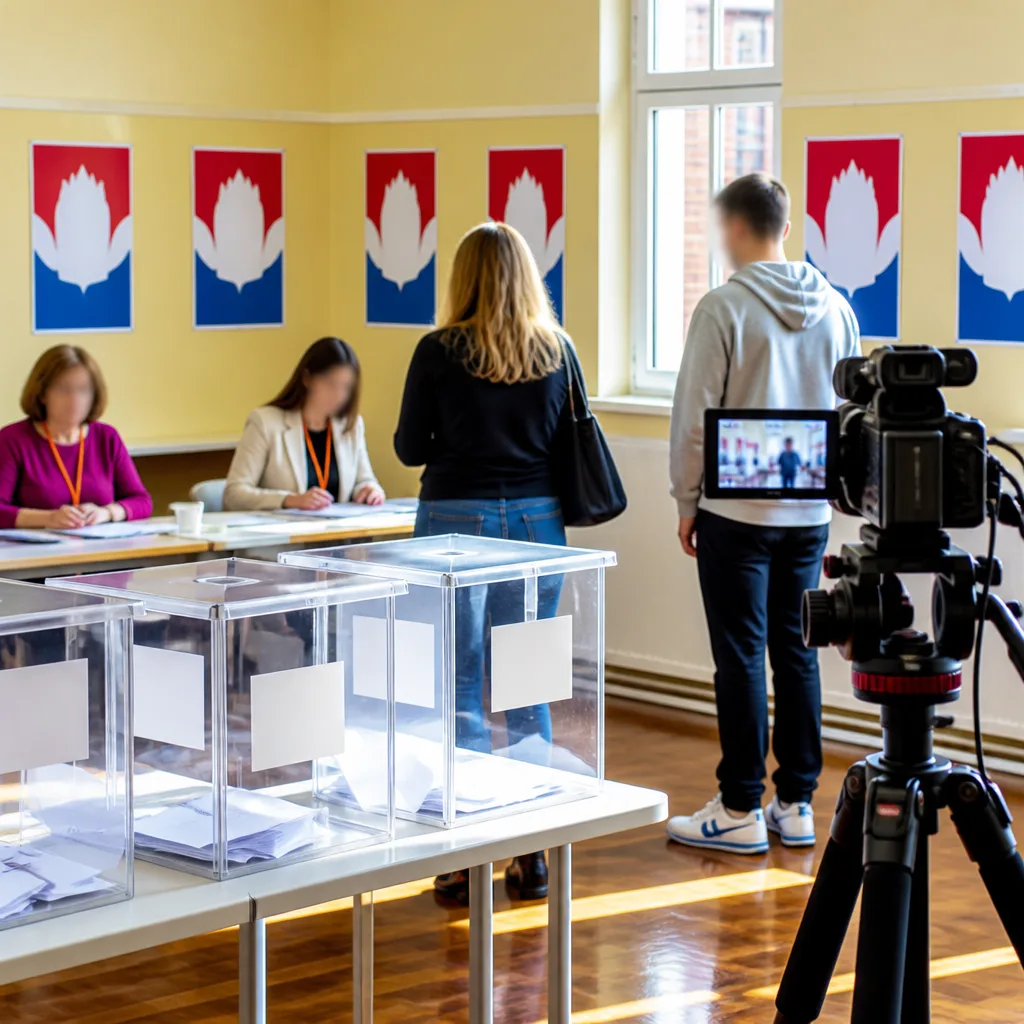
Russia is holding a tightly orchestrated parliamentary election from 18 to 20 September that the Kremlin presents as a measure of public backing for its policies amid the fifth year of the war in Ukraine. Observers say the vote will take place in an environment of elevated censorship, restricted political competition and widespread public concerns about the economy and security.
What is at stake
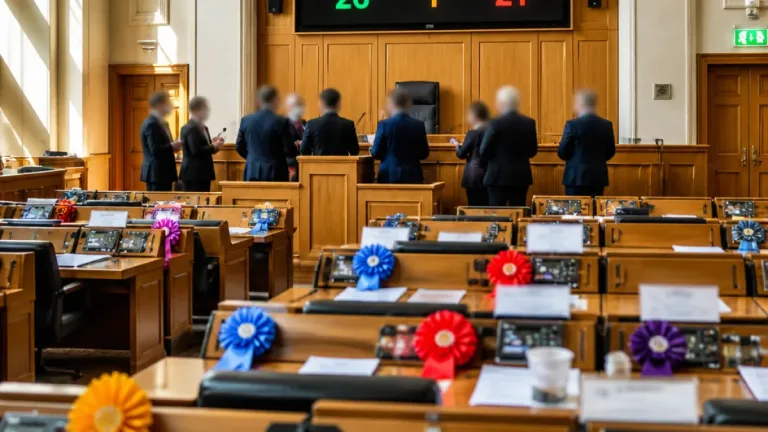
The election will determine the composition of the 450-seat State Duma. Half the seats are to be allocated via nationwide party lists; the other half through single-member districts. It is the first nationwide parliamentary contest since Russia launched its offensive in February 2022 and the second nationwide poll since President Vladimir Putin’s 2024 re-election.
Only parties that have offered explicit or implicit support for the Kremlin’s policies and the war are permitted on the national ballot. Those parties include United Russia, the Communist Party, A Just Russia, the nationalist LDPR and New People. Critics and many independent voices are excluded from meaningful participation.
“Quite a sham,” a European diplomat told AFP of the vote, adding that the Kremlin views the ballot as a “ritual” it considers essential.
Domestic pressures and the political calculation
The vote comes against a backdrop of public unease. The war has caused heavy casualties, brought deep economic strain and intensified controls on public debate. Some Russians are fatigued by stagnating living standards and alarmed by escalating Ukrainian counter-attacks. There is also concern that the Kremlin could respond to military setbacks by ordering a further mass mobilisation of troops after the election.
For Mr Putin and the ruling elite, the ballot serves multiple purposes: signalling to domestic elites that his rule remains backed by a compliant electorate; demonstrating to external actors that the state retains internal coherence; and creating a managed forum for expressions of loyalty.
How the vote is organised
| Feature | Detail |
|---|---|
| Dates | 18–20 September |
| Total Duma seats | 450 |
| Allocation method | Half by nationwide party lists; half by single-member districts |
| Parties on national ballot | United Russia, Communist Party, A Just Russia, LDPR, New People |
International and expert reaction
Western diplomats and analysts regard the contest as tightly managed and unlikely to enable a genuine transfer of power or meaningful parliamentary challenge to the Kremlin. Exiled Russian political scientist Nikolai Petrov described the importance of elections in modern Russia in historical terms.
“Just like at the time of the Soviet Union, elections should demonstrate loyalty of citizens,” Petrov told AFP.
Despite widespread expectations that the results are effectively predetermined, some analysts argue the exercise still matters to the Kremlin as a tool for gauging public sentiment, signalling to elites and calibrating future policy choices.
- Only pro-Kremlin parties are permitted to stand on the national ballot, closing space for real opposition.
- The vote is taking place amid heightened censorship and public worries about the economy and security.
- Authorities are expected to seek a high turnout to lend domestic legitimacy to the outcome.
The poll will also be held in territories of Ukraine currently under Russian occupation, a move that further complicates assessments of legitimacy and will be scrutinised by international observers. How the Kremlin interprets the level of turnout and the distribution of support will inform its political and military calculations in the months ahead.
For Western governments, the election is likely to be treated as neither free nor fair, but nevertheless relevant as an indicator of where power and loyalties lie within Russia’s managed political system.