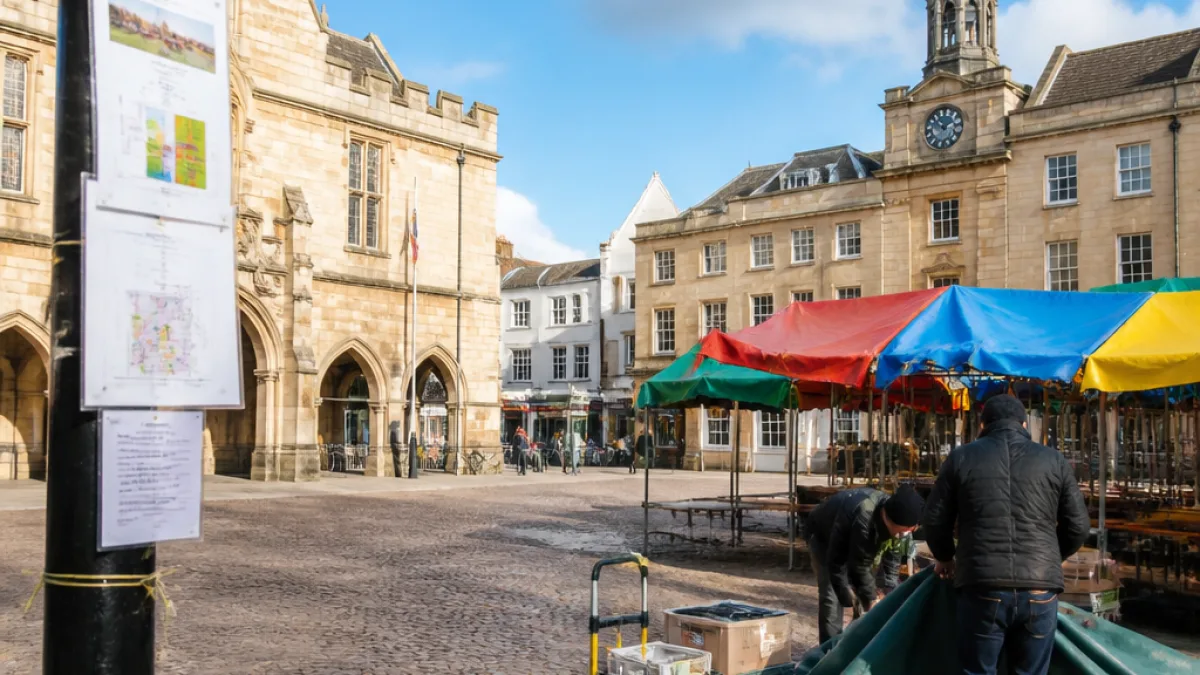
Traders uncertain over temporary moves after planning committee approval
The decision by Cambridge City Council planning committee to back a multi‑million pound refurbishment of Market Square has been greeted with alarm by stallholders who say they remain unclear about where they will trade while the works take place.
The council says it is "committed" to maintaining the market – a presence on the site that stretches back to the Middle Ages – but traders report being left in a state of limbo after the committee’s vote earlier this month. Frustration has been compounded by the lack of confirmed temporary locations and detail about how the transition will be managed.
"Surely these market traders didn't think the council were going to do anything for them, did they? The council can't even sort themselves out."
That comment was one of many posted by readers on the CambridgeshireLive site. Others ranged from practical suggestions about spreading stalls around the church to more stark warnings that the redevelopment could mark "the beginning of the end" for some traders.
Where the council has applied to place temporary stalls
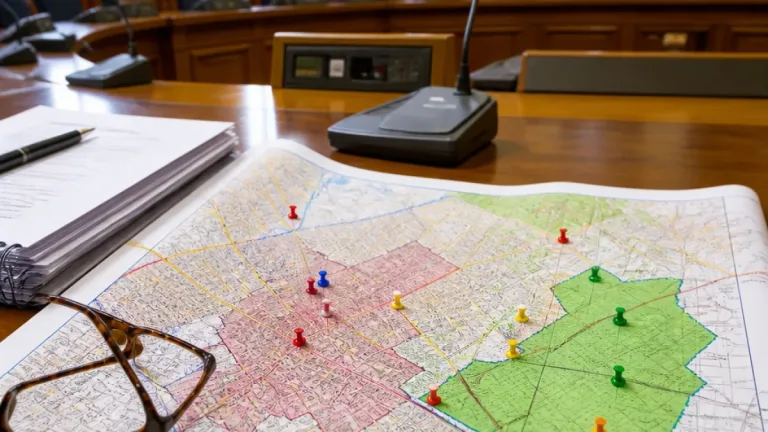
The council has, however, lodged a planning application for a number of temporary stall locations on streets surrounding the square. A decision on that application is anticipated in November.
| Proposed temporary locations | Notes |
|---|---|
| King's Parade | Principal pedestrian route beside King's College |
| St Mary's Passage | Narrow route adjacent to the church; may require special arrangements |
| Petty Cury | Shopping street linking the market to the city centre |
| Sidney Street | Major retail street, likely to increase congestion |
| Fisher Square & Sussex Street | To be used during peak trading times only |
Traders fear loss of custom and heritage
Long‑standing stallholders rely on regular footfall and the familiar layout of the market. Even short‑term disruption can hit incomes significantly, and several traders have warned that uncertainty about relocation could force some to stop trading altogether.
Common concerns expressed include:
- The potential loss of passing trade if stalls are moved away from the busiest parts of the city centre;
- Higher costs or logistical difficulties of operating from temporary sites;
- Insufficient detail and short timescales preventing businesses from planning;
- Wider worries that the character of the market could be eroded during or after the works.
Readers and market users also posted a mixture of practical and sceptical views about the proposals. Some suggested sensible dispersal around neighbouring streets would be acceptable; others feared that changes to cobbles, layout or stall rents could permanently alter the market’s character.
Questions remain over management and compensation
At present the council’s publicly stated position is to preserve the market, but detailed arrangements for trader support, access, vehicle loading and welfare facilities during the works have yet to be published. Those operational matters will be crucial to whether the temporary sites function effectively and whether existing traders can return afterwards.
The coming weeks will therefore be important. The planning application for temporary stalls is due a decision in November; until then stallholders and market users are likely to continue pressing the authority for clearer guarantees on location, costs and how the market’s heritage and viability will be safeguarded.
The balance the council seeks to strike is familiar in many historic towns: modernise or repair ageing public space while protecting the livelihoods and traditions that make it valuable. For those who rely on Cambridge Market’s daily trade, the practicalities of where they will stand next season are not an abstract debate but an urgent business question.