University figure leaves party role as police and regulator review claims
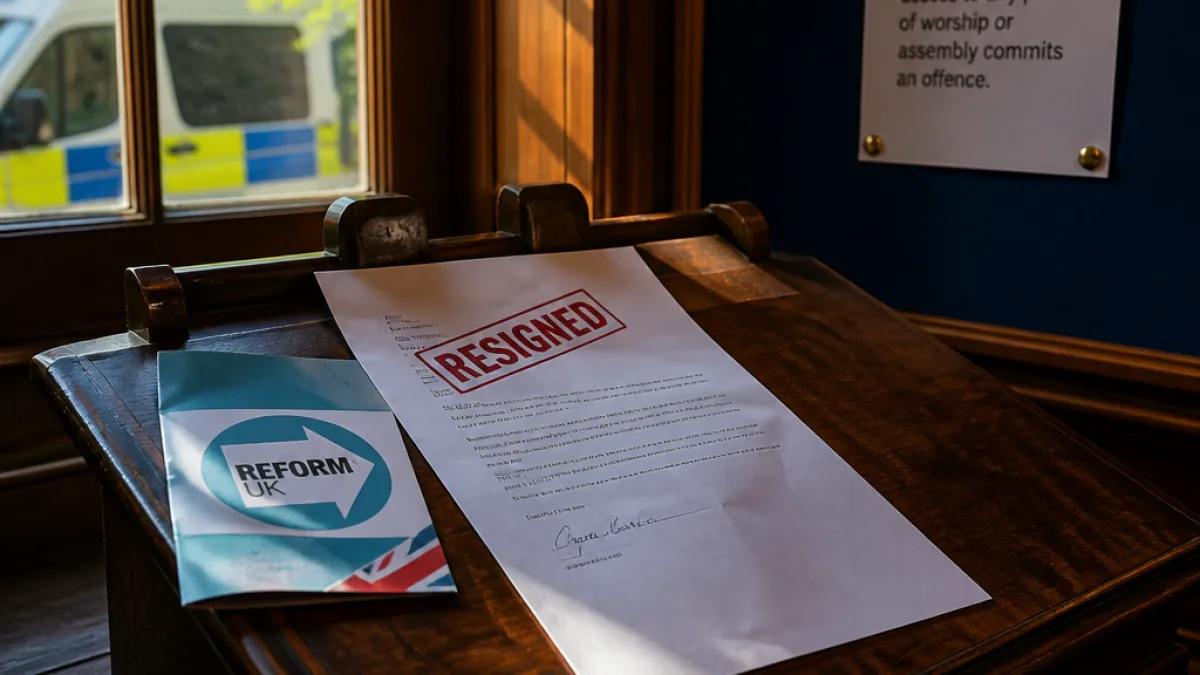
A University of Cambridge academic, Dr James Orr, has stood down from his position as head of policy at Reform UK amid allegations that the party may have breached rules on political donations. He stepped down alongside fellow aide Dan Jukes while the party conducts an internal investigation.
The development follows a Channel 4 News broadcast that said Reform UK had accepted funding for three polls earlier this year from what appeared to be an overseas source. The reporting included footage in which two men posed as an American financier and his UK-based son; investigators from the group Verbatim posed undercover in those interactions, according to the broadcast.
Reform UK leader Nigel Farage defended the party, insisting it had not taken illicit funds and that no laws had been broken. He also said the polls were commissioned by an independent third party.
"We have broken no laws and have not taken any dodgy money," the party leader said, adding the polls were commissioned by an independent third party.
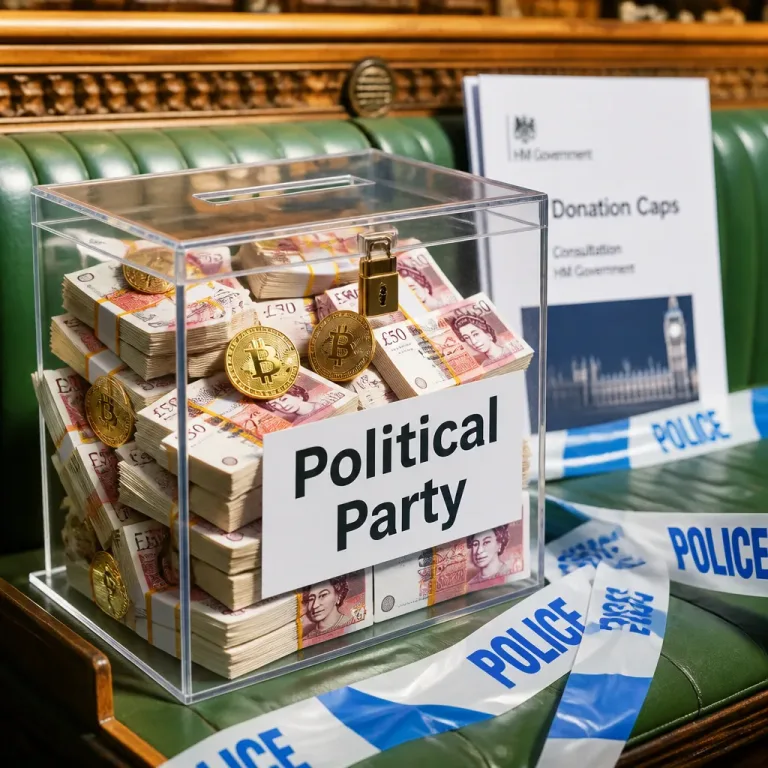
Under UK electoral law, foreign companies are not permissible sources of donations to political parties, and payments for services such as research or studies can fall within the same rules. The Channel 4 report said the three polls together cost £32,500.
The Electoral Commission confirmed it is considering the information made public and that it is in contact with the Metropolitan Police. It emphasised that any possible attempt to evade controls on donations would be a matter for the police to consider. The regulator also noted it does not approve a party’s donor vetting process, after Reform said it had a vetting system approved by the Electoral Commission.
Party investigation and local implications
Reform UK announced on Friday that it had opened an internal probe into the matter and said both Dr Orr and Mr Jukes had stepped down pending the outcome of that investigation. A party spokesperson said it was important the investigation proceed independently and without prejudice, and that no further comment would be made while it was ongoing.
Mr Jukes has denied wrongdoing and described the situation as a case of entrapment. The public exchange between the party and broadcasters, and the involvement of undercover reporting, has increased scrutiny of how political parties source and verify funding for commissioned work.
For Cambridge, the episode carries particular resonance because it involves an active member of its academic community in a high-profile national political role. The university is home to numerous staff and students engaged in public policy and political research; instances in which those affiliated with local institutions become entangled in national controversies often prompt questions about institutional links and reputational risk, even where individuals are acting in a private or party capacity.
- Who stepped down: Dr James Orr (head of policy) and Dan Jukes
- Allegation: Reform UK accepted funding for three polls that may have originated from an overseas company
- Amount reported: £32,500 for the three polls
| Item | Detail |
|---|---|
| Reporting outlet | Channel 4 News (investigation with undercover reporters from Verbatim) |
| Regulators involved | Electoral Commission; Metropolitan Police (contacted) |
| Party response | Internal investigation launched; two aides stepped down; leader denies illegality |
The Electoral Commission’s involvement signals the potential for regulatory scrutiny beyond party statements. Its spokesperson said the commission was considering all relevant information and liaising with the Met Police. That process could involve assessing whether the payments constituted an impermissible donation under existing rules.
At present, key facts have been publicly reported — the Channel 4 footage, the sum paid for the polls, and the undercover nature of the approach. What remains to be determined is how Reform UK handled the donor vetting for those commissions and whether any payment arrangements fall foul of the law. The party’s claim that it had an approved vetting process will be weighed against the commission’s own remit and any findings arising from police inquiries.
For residents in Cambridge, where university staff often play roles in national policy debates, the case highlights the sometimes blurred lines between academic engagement and party politics. It also demonstrates how national-level controversies can quickly take on local significance when they involve members of the city’s academic community.