
Construction begins on phase one amid local concerns
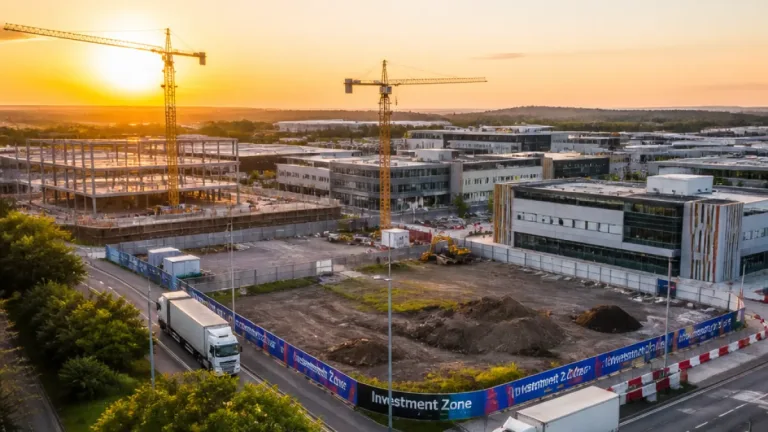
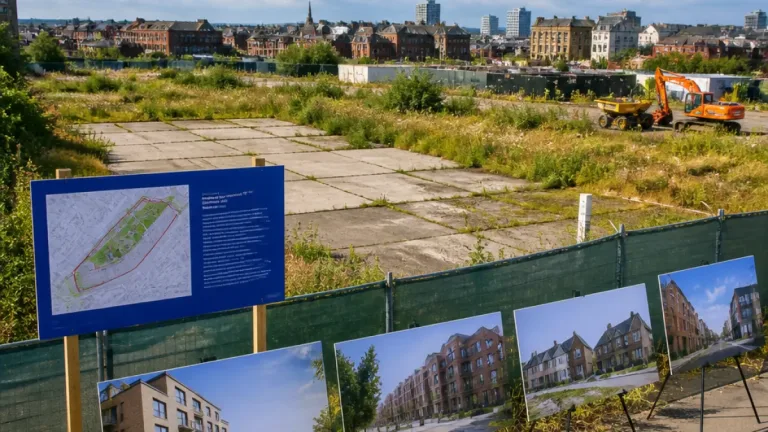
Work has started on the first tranche of homes at the Beeston Park development on land north of Old Catton, bringing into view one of the largest housing schemes planned around Norwich. Persimmon Homes Anglia has begun building 326 properties on the site located between St Faith's Road and North Walsham Road, the company has confirmed.
The phase underway is a small part of the wider project which, when complete, is expected to deliver up to 3,500 homes across about 600 acres of land on the city’s northern fringe. The full proposals include a mix of community and public facilities intended to serve the new neighbourhood and surrounding areas.
What the scheme will provide
- 326 homes in the first phase now being built
- 3,500 homes planned in total across the development
- 600 acres of land to be developed
- £3.2 million of community investment pledged for phase one
- Planned new facilities: two primary schools, a health centre, two community centres, a library and a country park
Persimmon has opened enquiries for the new homes and says the scheme will provide a range of housing types together with public open space and infrastructure. The company framed the work as a long‑term project designed to deliver homes for local people and leave lasting benefits for neighbouring communities.
“This development will deliver high‑quality homes for local people and create lasting benefits for Old Catton,”
The comment came from Persimmon’s regional leadership as the developer celebrated securing planning permission for the initial phase.
Residents voice worries over services and environment
The proposals have been contentious locally. Residents who objected during the planning process cited pressure on already stretched medical services and the loss of wildlife habitats as central concerns. One consultee asked how existing doctors would cope with an inflow of new residents, pointing to current difficulties in accessing primary care.
Local objections form part of a wider debate often seen on the edge of growing cities: how to balance the delivery of much‑needed new homes with the capacity of services and the protection of green infrastructure. The developer’s offer of community investment is intended to help mitigate some pressure on facilities, but campaigners and neighbours will be watching closely as construction progresses.
Money, facilities and the timetable
Persimmon has pledged £3.2 million as part of phase one to support local infrastructure and services. The broader masterplan includes two new primary schools, a health centre, two community centres, a new library and a country park — elements that planners say are essential to making the development self‑contained.
| Item | Planned provision |
|---|---|
| Phase 1 homes | 326 |
| Total homes (masterplan) | 3,500 |
| Land area | 600 acres |
| Phase 1 community funding | £3.2m |
At this stage the developer has not published a full timetable for delivery of the wider facilities. Large schemes of this sort commonly proceed in stages with infrastructure phased to match housing delivery; whether that sequencing will keep pace with local demand for GPs, dental services and schooling will be a central test for both the developer and local authorities.
Implications for Norwich and its suburbs
The Beeston Park development reinforces the scale of housebuilding planned on the edge of Norwich as authorities seek to meet housing needs. For neighbours in Old Catton and surrounding parishes, the immediate concern is how quickly promised facilities will be delivered and whether existing services can cope in the meantime.
For the city as a whole, the scheme will mean additional residents, potential new workers and pressure on transport and health infrastructure. The success of the project will depend on co‑ordination between Persimmon, Broadland District Council and public service providers to ensure that the committed community investment translates into usable facilities for both new and existing communities.
As construction continues, residents and community groups are likely to monitor progress closely, pushing for clarity on the sequence of delivery and the scale of mitigation for environmental impacts.