New tool aims to bring neighbourhood data together for homebuyers and renters
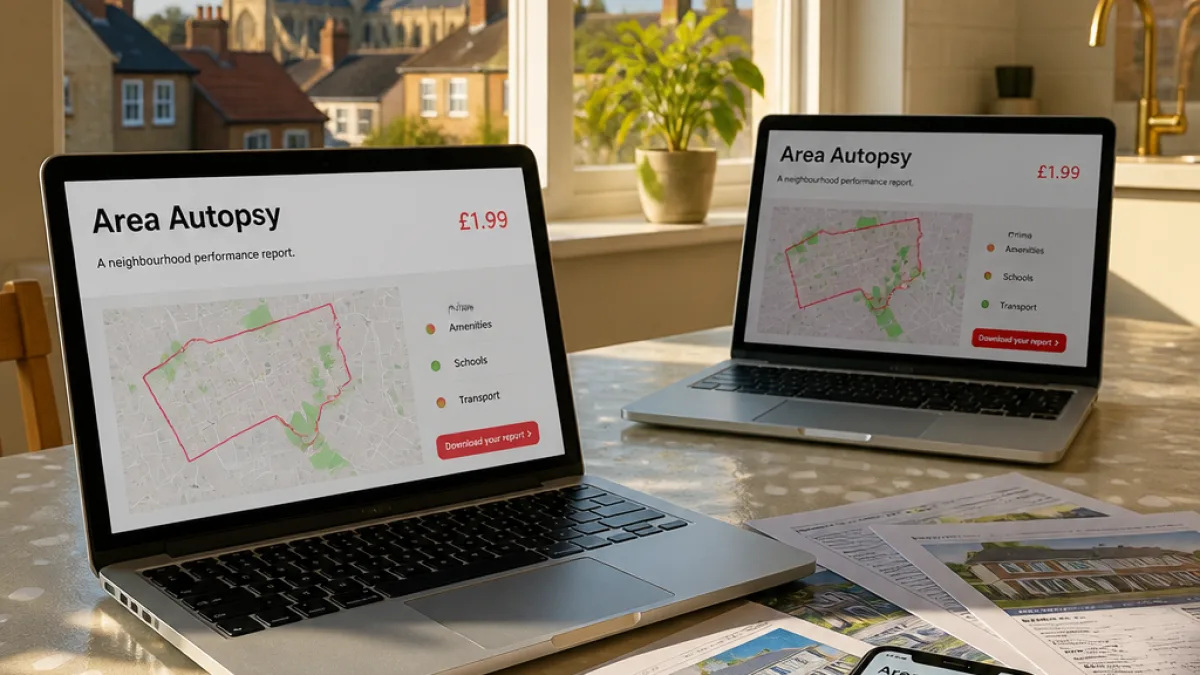
Two brothers from Norwich have created an online service they describe as an "HPI check for your home", offering consumers a fast, low-cost way to see a range of publicly available information about an area before they sign on the dotted line. The platform, called Area Autopsy, is being marketed as a single report that pulls live data feeds together so users can make more informed decisions when buying or renting.
The service has been developed by Zaradan Rumbelow, 43, and his younger brother Junior, 33, who have combined personal experience of the housing market with technical skills to build the product. The brothers say their goal is to expose details that are often not part of the standard property-sales process.
"We realised you end up knowing absolutely everything about the property itself, but almost nothing about the area you’re actually moving into,"
The Rumbelows say estate agents understandably concentrate on presenting the property for sale and will not always highlight the everyday realities of the neighbourhood. They cite issues such as local crime levels, mobile signal quality and inconsistent broadband as examples of information that can materially affect people’s living experiences but which may not be disclosed during viewings.
Origins in personal frustration, solution built with live data
The brothers trace the idea back to frustrations encountered while buying homes. Zaradan says one purchase left him surprised by the location of a gas pipeline — a fact he believed had been inaccurately presented during the transaction. That experience convinced him there was a need for clearer information at an early stage of buying or renting.
Junior Rumbelow, a software engineer, built technology intended to automate the collection of relevant publicly available information. Rather than relying on manually uploaded entries, the platform connects to live API feeds to compile up-to-date reports, the brothers say. The service is offered for a one-off fee of £1.99, according to the founders.
- Who: Zaradan and Junior Rumbelow, Norwich-based founders
- What: Area Autopsy, an online neighbourhood information report
- How much: one-off fee of £1.99
What the platform promises and what it does not claim
The service collates data that is already in the public domain into a single, accessible format. This can reduce the time buyers and renters would otherwise spend hunting disparate sources for details about a location. By centralising information, the founders argue, prospective movers can make decisions with fewer surprises.
But centralisation is not the same as comprehensive verification. The platform aggregates public feeds rather than generating new primary research. Users will still need to satisfy themselves on matters such as structural surveys, legal searches and formal searches that are part of conveyancing. The brothers have positioned Area Autopsy as a supplementary tool to inform choices rather than a substitute for professional due diligence.
| Founder | Age | Role |
|---|---|---|
| Zaradan Rumbelow | 43 | Co‑founder, entrepreneur |
| Junior Rumbelow | 33 | Co‑founder, software engineer |
For Norwich residents, the product taps into ongoing conversations about transparency in the housing market and the information asymmetry between sellers, agents and buyers. While estate agents focus on marketing properties, local civic debate often centres on how much neighbourhood context is shared with would‑be purchasers.
Area Autopsy’s founders say the service grew from a practical wish-list of the information they would have liked themselves when buying homes. The platform’s use of live APIs aims to keep reports current, but the ultimate utility will depend on the coverage and accuracy of the public datasets it relies on.
As with any new market entrant, the platform will be tested by users and local property professionals. If it gains traction among Norwich buyers and renters, it could push conversations around pre-contract disclosure and help households avoid costly post‑purchase surprises. Equally, it raises questions about the limits of aggregated public data and the need for professional checks in major transactions.
The brothers say the service is live and available to anyone who wishes to purchase a report.