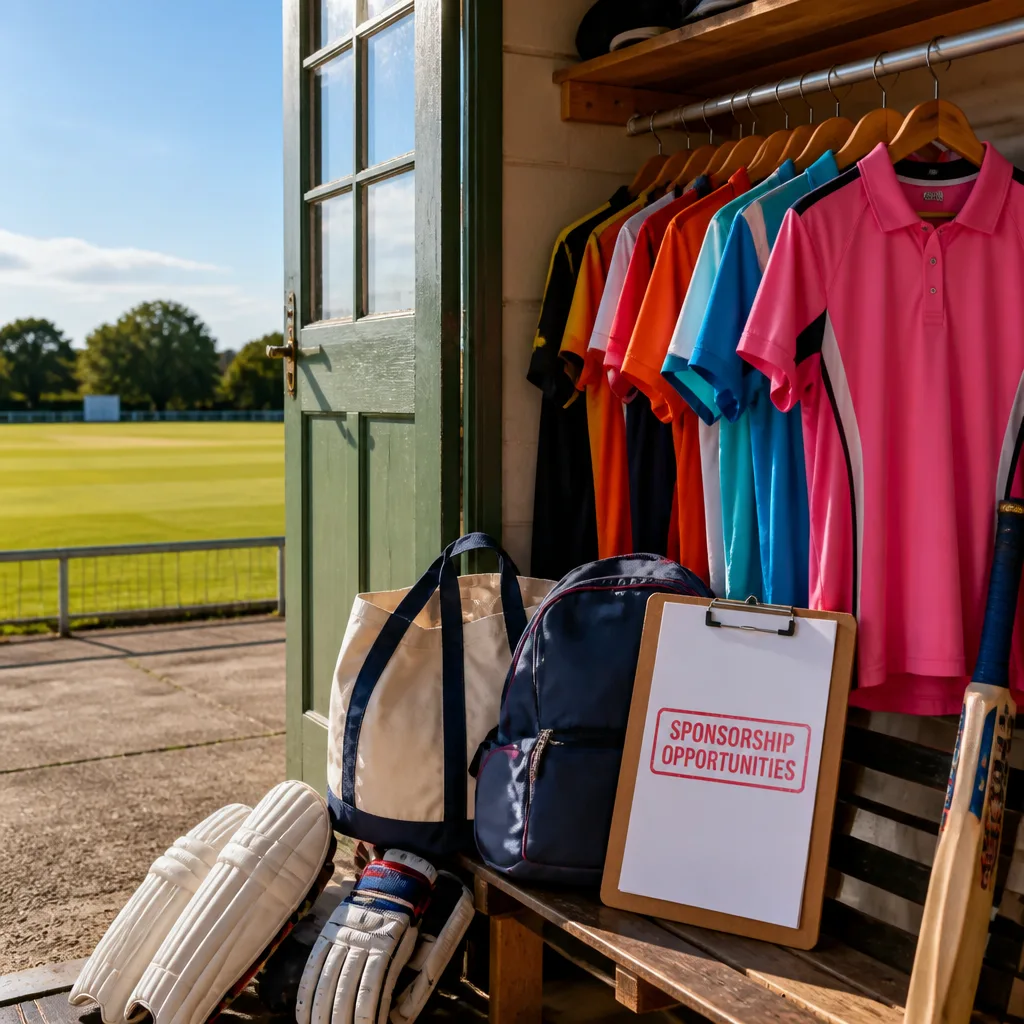
Maiden Cricket, a female-led sportswear company based in Chichester, has formed a partnership with sponsorship broker SNAP Sponsorship to help clubs, schools and universities secure commercial backing for women’s and girls’ cricket programmes. The tie-up aims to direct additional funding into teamwear, equipment and facilities expressly designed for female players.
What the deal does
Under the arrangement, organisations will gain exclusive access to SNAP’s sponsorship services through Maiden Cricket. The companies say the collaboration will equip grassroots cricket bodies with tools to find sponsors and generate extra revenue that can be reinvested in their female squads.
“Maiden Cricket is doing something incredibly important for women’s cricket by creating clothing, teamwear and equipment designed specifically for female players,” said Mark Covington, chief executive and founder of SNAP Sponsorship.
Nicole Muller, business lead at Maiden Cricket, added the partnership would help secure funding for kit that meets the needs of women and girls, saying:
“Women’s cricket has moved on, but too often the kit hasn’t. Women and girls are still expected to play in products that were never designed for them.”
Business and market implications
From a commercial perspective, the arrangement tackles two persistent frictions in the market for female sport: insufficient tailored product supply and a lack of structured sponsorship pipelines at grassroots level. By combining a product range built for female bodies with a channel to monetize community-level exposure, the partners are attempting to convert participation into predictable purchasing and sponsorship flows.
For clubs and educational institutions this could mean:
- more targeted bids for sponsorship as they present women’s programmes with bespoke kit and clearer visibility;
- potential uplift in equipment and teamwear expenditure as funds are reinvested into female-specific products;
- greater bargaining power with sponsors if clubs can demonstrate a structured route to brand exposure among female participants and spectators.
How significant any revenue gain proves to be depends on clubs’ ability to package audience reach and community engagement into a marketable proposition. SNAP’s role as a sponsorship facilitator is to bridge that gap by connecting organisations with potential funders, while Maiden supplies the physical products that sponsorship often finances.
Context for wages, prices and jobs
Although the announcement does not include financial figures, the model can influence several economic levers in the grassroots sport economy. Increased sponsorship revenue earmarked for women’s programmes may raise spending on kit and equipment, which benefits manufacturers and distributors operating in a specialist segment. That in turn can support jobs across design, production and retail, particularly within small firms focused on women’s sportswear.
However, the scale of those effects will depend on the number and size of sponsorship deals that SNAP secures via the Maiden pipeline. For clubs, new income streams could be used to subsidise participation costs or improve facilities; both outcomes would affect household spending on sport and potentially reduce barriers to entry for aspiring players.
| Partner | Role |
|---|---|
| Maiden Cricket | Designs and supplies female-specific clothing, teamwear and equipment |
| SNAP Sponsorship | Sources sponsorship and commercial funding opportunities for clubs and institutions |
Maiden Cricket was founded by sisters who previously appeared on national television’s Dragons’ Den. While the company’s profile and product focus give it an advocacy platform, the decisive test will be whether the combined offer translates into measurable sponsorship returns for grassroots organisations.
The partnership arrives amid a wider commercial push for women’s sport, where brands and rights-holders are seeking to monetise growing audiences. For local clubs and educational bodies, the initiative promises a structured route to funding. For the market at large, it highlights a continuing shift toward product and commercial strategies that explicitly address the female participant base.
For now, the announcement is an infrastructure play rather than a revenue guarantee: clubs will need to engage with sponsorship processes and demonstrate value to prospective backers before the economic benefits materialise.