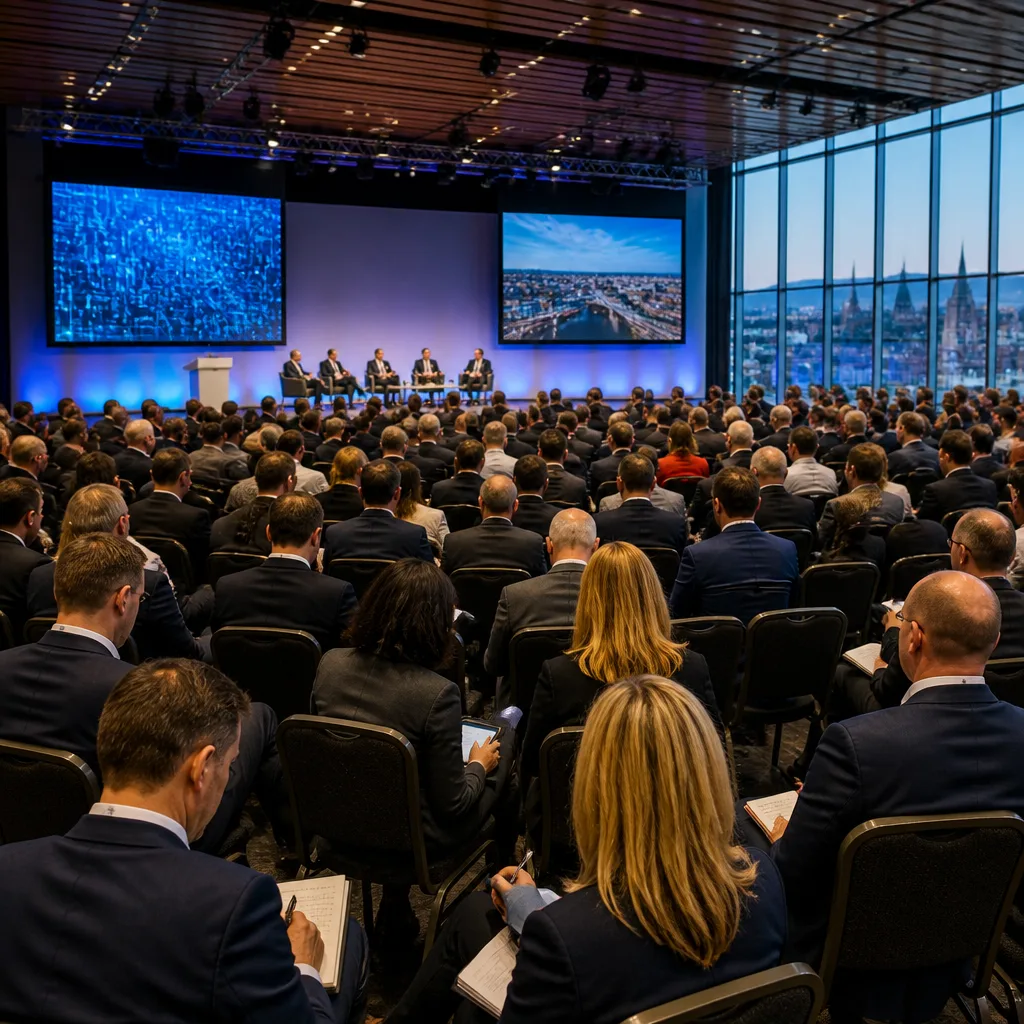
Prominent commentator Rory Stewart will be among the keynote speakers at the CMS Scotland On Point business conference on Thursday 1 October at Edinburgh’s EICC, organisers have confirmed. The one-day event carries the theme “Leadership in Turbulent Times” and is intended to address the challenges facing businesses in Scotland and across the UK.
High-profile line-up spans politics, AI and major events
Stewart, a Professor in the Practice of International Relations at the London School of Economics, a former Conservative cabinet minister and diplomat, and co-host of the popular podcast The Rest is Politics, will deliver a presentation on leadership followed by a question-and-answer session. He will be joined by speakers from across the public and private sectors, including:
- Dr Stephanie Hare — broadcaster, author and co-presenter of the BBC’s AI Decoded, addressing leadership in the age of artificial intelligence;
- Phil Batty OBE — CEO of Glasgow 2026 Commonwealth Games, set to share lessons from delivering a major sporting event;
- Andrew McDougall — former diplomat and British army officer, now Managing Director, Group Head of Geopolitical Risk at Barclays, on managing geopolitical uncertainty.
CMS Scotland’s annual On Point conference aims to marry national debate with practical takeaways for the business community. This year’s programme will also include the presentation of fresh research from the University of Strathclyde’s Fraser of Allander Institute, offering evidence on what Scotland’s firms expect from their leaders.
“We’re pleased to announce another superb lineup for our annual On Point conference which includes one of the UK’s leading political commentators, Rory Stewart. As co-host of The Rest is Politics, he has built one of the biggest podcast audiences in the UK through his methodical and astute analysis of the political challenges facing both the UK and the wider world.”
Why business leaders should pay attention
The convergence of speakers — covering political insight, AI and geopolitical risk, alongside lessons from staging a global sporting event — signals a recognition that leadership challenges are multi-dimensional. For firms, those challenges translate into decisions that affect investment, workforce planning and operational resilience.
AI is increasingly a board-level issue: while Dr Hare’s session is billed as focusing on the human and leadership implications of AI, businesses will be listening for how senior executives should balance productivity gains against worker disruption and the ethical, regulatory and reputational questions that follow.
Similarly, the Glasgow 2026 experience is relevant to firms thinking about supply chains, temporary labour demand and legacy benefits for local economies. Lessons from delivering major events can inform how companies plan for spikes in activity, procurement and engagement with regional labour markets.
What to expect from the conference
Organisers say the event is aimed at senior business figures seeking practical, evidence-based guidance. The inclusion of the Fraser of Allander Institute’s research suggests attendees will receive quantitative insights to supplement the keynote perspectives.
| Speaker | Role | Topic focus |
|---|---|---|
| Rory Stewart | Professor; former cabinet minister; podcaster | Qualities of leadership in turbulent times |
| Dr Stephanie Hare | Broadcaster, author | Leadership in the age of AI |
| Phil Batty OBE | CEO, Glasgow 2026 | Lessons from delivering a major sporting event |
| Andrew McDougall | Managing Director, Group Head of Geopolitical Risk, Barclays | Managing geopolitical risk |
For the wider economy, clearer leadership translates into more confident hiring and capital expenditure decisions. While the conference will not itself change policy or market fundamentals, it is one node in the broader conversation that influences how business leaders interpret economic signals and set priorities for wages, prices and jobs.
CMS Scotland’s On Point has established itself as an annual forum where policymakers, company executives and analysts exchange views. This year’s emphasis on leadership amid technological change and geopolitical friction is a timely reminder that those decisions play out in boardrooms but have tangible consequences on the shop floor and in local labour markets.