
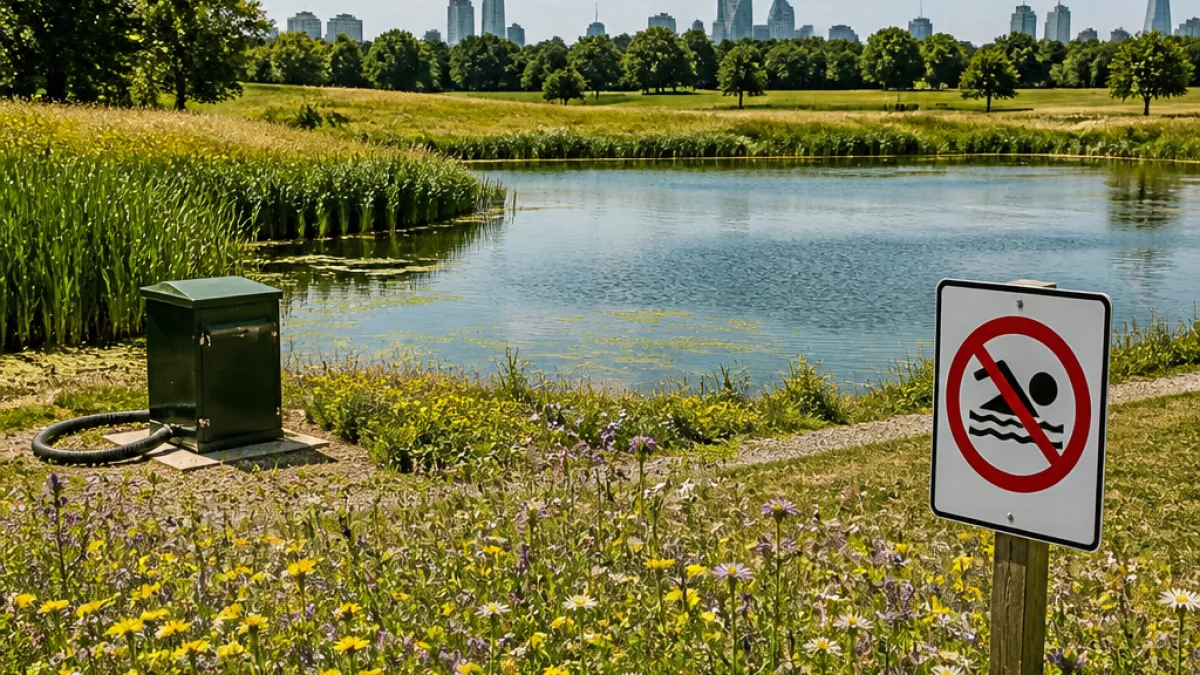
London’s Royal Parks have moved quickly to reduce reliance on mains water and shore up green spaces as the capital endures drought conditions, introducing both short‑term and long‑term measures to limit the risk of grassfires and flooding after sudden heavy rain.
Targeting water use and visitor safety
The charity that manages eight major parks and numerous green areas across the city says most of the water it uses is taken from its own boreholes and water bodies, with mains supplies restricted to essential needs only. The organisation has also warned visitors not to swim in open water on parks land because of safety concerns.
"Most of the water used across the Royal Parks is drawn from our own boreholes and water bodies," said Darren Share, the parks' director. "Throughout the year, we restrict the use of mains water to essential purposes and only where alternative sources are not available."
Staff on the ground are adapting how they manage vegetation and water-retention features. Richmond Park, for example, has been cultivating meadows that are better suited to hotter summers and hold moisture in the soil for longer.
Land management to reduce fire and flood risk
Park managers told WE NEWS they are implementing a range of practical measures designed to keep the ground damp, prevent rapid runoff during torrential downpours and create landscapes that are more resilient to heat.
- Water sourcing: Greater use of boreholes and existing ponds rather than mains supply.
- Hydrology works: Enlargement of ponds and creation of ditches and leaky dams to slow and retain water.
- Vegetation change: Sowing of meadows and drought‑tolerant plants to build moisture-retaining root networks.
- Scrub and native species: Areas of shrubs and hardy native flora sown to boost resilience.
Charlotte Cass, biodiversity manager at Richmond Park, described how certain planting choices create helpful microclimates. She highlighted that a wildflower meadow at Pembroke Lodge was chosen for its South African origins and better tolerance of high summer heat.
"Not only are they brilliant biodiversity, they're helping with pollinators, and other insects that are important food for the birds and the bats, but they also help to hold on to moisture," Cass said.
She explained that the deeper roots of meadow plants trap moisture beneath the surface, reducing evaporation compared with short, closely mown grass.
Safety warnings and public impact
Alongside land management, park authorities are communicating safety messages to visitors. Officials warn that sudden temperature changes between hot air and cold water can cause medical emergencies for people entering open water, and caution remains over unrestricted bathing.
Local residents and regular park users told WE NEWS they have noticed the changes. One dog‑walker in Richmond said the meadow areas have made sections of the park feel wilder and more natural, but welcomed the parks' work to reduce fire risk during prolonged dry spells.
What this means for Londoners
The steps taken by the Royal Parks aim to balance public access with landscape resilience. For the public, the immediate takeaways are straightforward:
- Do not enter open water at Royal Parks sites — there are safety and health risks.
- Respect areas under restoration or newly sown meadows — they are being managed to improve long‑term resilience.
- Keep to designated paths and obey any local signage about fire risk or temporary restrictions.
| Measure | Objective |
|---|---|
| Use of boreholes | Reduce mains water demand |
| Enlarged ponds / leaky dams | Slow runoff, reduce flood risk |
| Drought‑tolerant meadows | Retain moisture, support biodiversity |
Park managers say these interventions also benefit wildlife. The move away from short, closely cropped grass towards a mosaic of meadows and scrub is intended to improve habitat for pollinators, birds and bats while increasing the capacity of soils to hold water.
As London continues to face hot, dry spells interspersed with heavy showers, the Royal Parks' programme offers a window onto how urban green space management is adjusting to a changing climate. Practical action on the ground — from boreholes to new planting regimes — is being pitched at both reducing immediate public safety risks and delivering longer‑term ecological resilience.
I reported from Richmond Park, where staff and volunteers are already putting the plans into practice and asking visitors to play their part by heeding safety notices and respecting restoration areas.
















