
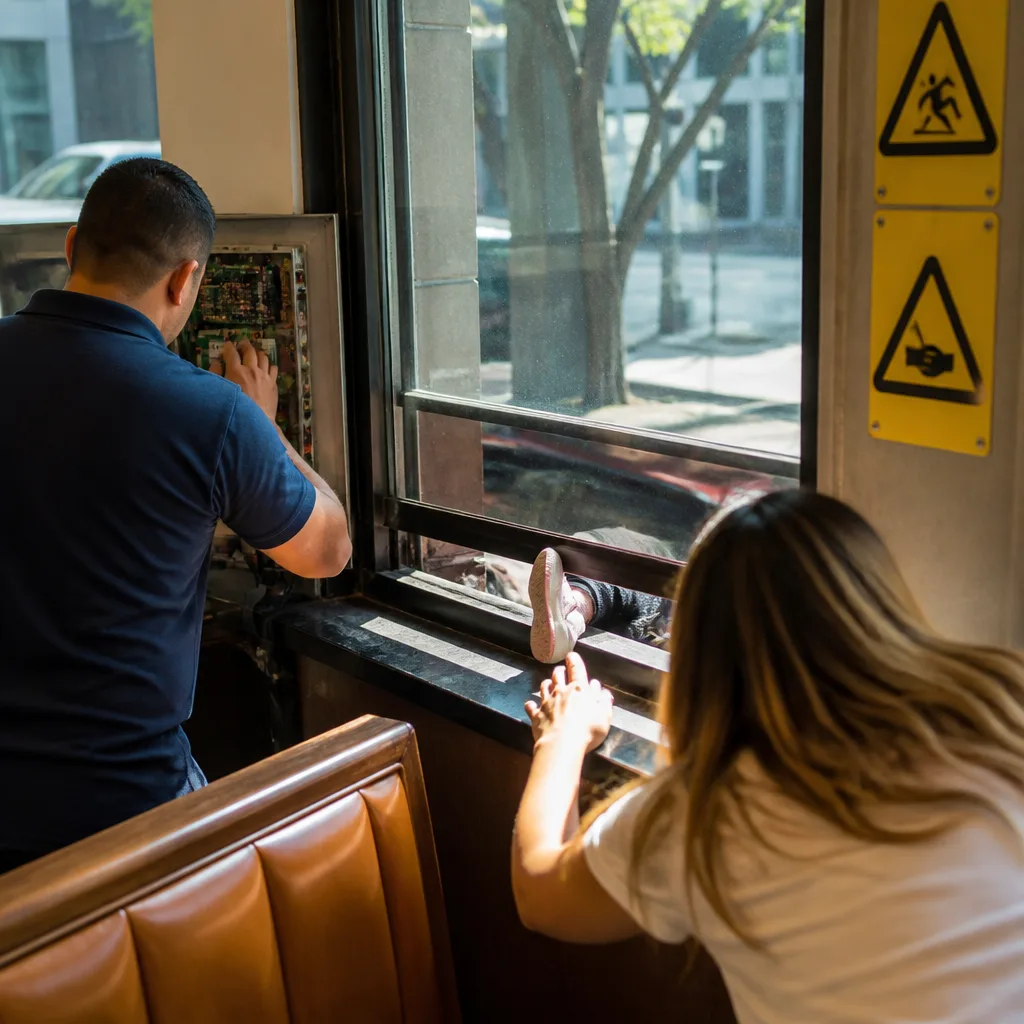
A court in Westminster has imposed a substantial penalty on a Chelsea restaurant after a three-year-old child sustained serious injuries when their foot was trapped as a glass window was being closed. Vardo Restaurant was found to have breached health and safety law, the council said, and was ordered to pay a fine and cover prosecution costs.
Failure to control risk and inadequate training blamed
Westminster Magistrates’ Court heard that the incident occurred in January 2022 while the child was dining with family. During the closure of a large window, the youngster’s foot became trapped in the mechanism and was crushed. The injuries were severe enough to require several operations and carry potential long-term consequences that will need ongoing monitoring.
The subsequent investigation by Kensington and Chelsea Council identified a number of failings. The council concluded that the business had not completed an adequate assessment of the hazard posed by the windows nor installed suitable safeguards. On the day of the accident, the window had been left partially lowered for ventilation, creating a gap above the sill and between the window and the floor. A safety device that should have been engaged was not in use, the key to the mechanism had been left inserted, and an unauthorised member of staff who lacked appropriate training was instructed to close the window.
“The vast majority of businesses in our borough work hard to provide a safe environment for their customers. This case shows what can happen when those standards are not met,” said Cllr Johnny Thalassites, the council’s lead member for resident services, planning and enforcement.
Penalty and costs
The restaurant pleaded guilty to breaching Section 3 of the Health and Safety at Work etc. Act 1974. Sentencing on Wednesday 12 August resulted in a fine of £50,000, a victim surcharge of £2,000 and an order to pay £23,705 towards the council’s legal costs.
| Item | Amount |
|---|---|
| Fine | £50,000 |
| Victim surcharge | £2,000 |
| Council costs | £23,705 |
The council said officers would continue to work with local businesses to stress the importance of safety obligations and would take action where operators placed the public at risk.
Wider implications for hospitality operators
While the case concerns a single restaurant, it underscores recurring issues in the hospitality industry: the need for robust risk assessments, clear operating procedures for mechanical fixtures, and properly documented staff training. Safety mechanisms on doors and windows are classified as control measures; if they are not engaged or maintained, they become potential sources of severe harm, particularly for young children and other vulnerable patrons.
- Risk assessment: Employers must identify hazards from fixtures and fittings and record steps taken to mitigate those risks.
- Training and authorisation: Only trained, authorised staff should operate equipment with moving parts that can cause injury.
- Maintenance and safeguards: Mechanical devices should have fail-safes and be regularly inspected to ensure they are in working order.
Enforcement under the Health and Safety at Work etc. Act 1974 is focused on preventing harm rather than penalising negligence alone. Prosecutions typically follow where contraventions are identified that pose a real risk to the public and where there has been a failure to take reasonable steps to prevent injury.
For families and consumers, the case will be a reminder to remain vigilant when visiting venues with movable fixtures and for operators to be transparent about their safety arrangements. For operators, it represents a cautionary example of the reputational, financial and legal consequences of failing to meet statutory duties.
The child’s ongoing medical needs and any long-term consequences were not quantified in the court record made public by the council. The council’s statement said its officers will continue advising businesses to ensure compliance and protect customers.














