Prime Minister Andy Burnham has indicated the Government will pursue further measures on business rates at the forthcoming Budget but cautioned ministers face only a “limited room for manoeuvre” when it comes to additional financial support.
Budget in focus for struggling firms
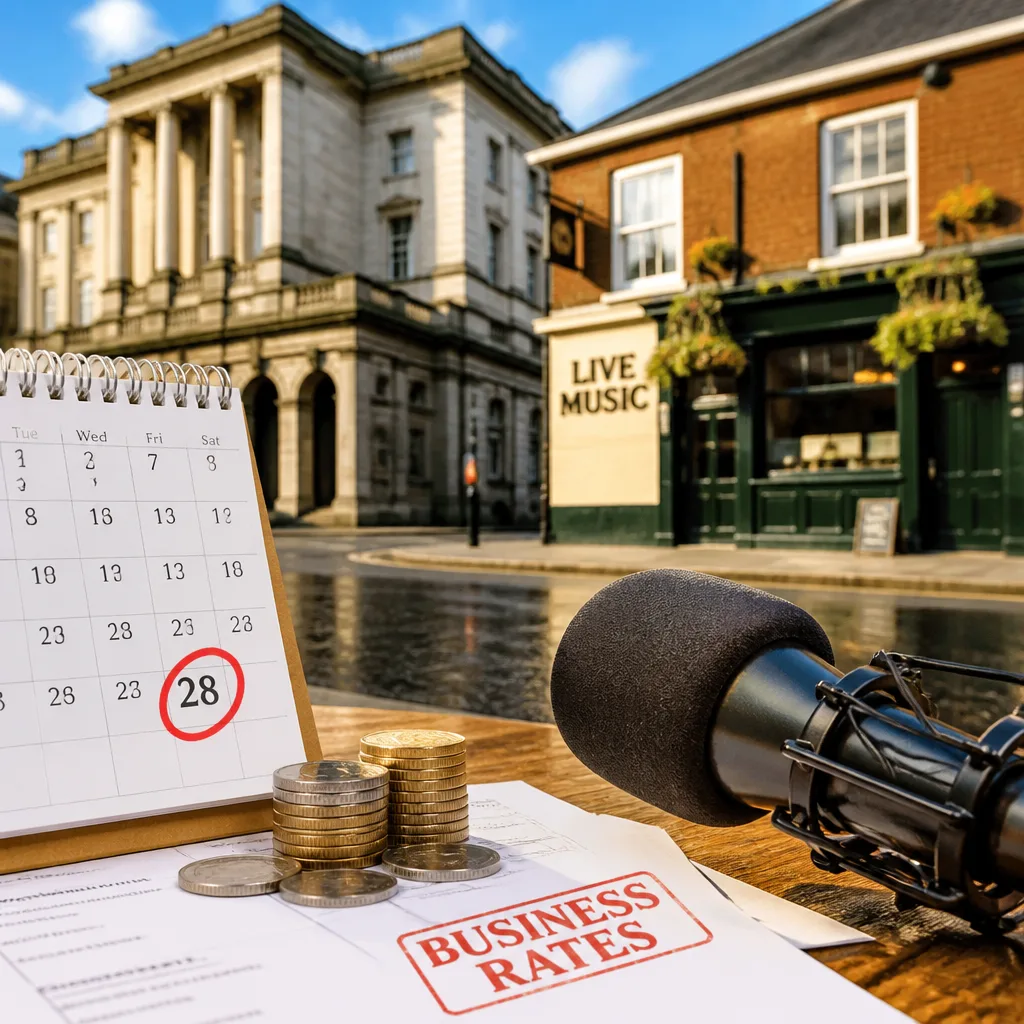
Speaking on BBC Radio’s Wake Up to Money on 12 August, the Prime Minister said the Treasury will look more widely at business rates when it publishes its fiscal package on 28 October. The remarks follow recent targeted action for hospitality and come as firms across multiple sectors continue to report pressure from higher energy, food and labour costs.
“I know the cost of doing business is too high, particularly for smaller businesses, and I wouldn’t want to promise the earth… I’m signalling going further on business rates,”
Mr Burnham made clear he will not promise measures the Government cannot fully fund, saying he recognised the difficult fiscal outlook confronting ministers. The Prime Minister also stressed the Government would “do everything that is possible for us to do” to tackle the cost burden on firms.
What has already been announced
Earlier this month the Government confirmed a targeted relief: a 20% business‑rates cut for pubs, clubs and live music venues in England, due to take effect from April next year. The Prime Minister described that step as an initial move intended to be followed by more help, urging the sector to “watch this space.”
Industry reaction to the 20% reduction has been cautious. Operators warned the measure will not on its own offset rising input costs that have squeezed margins and, in some cases, affected staffing and investment decisions.
- Sector concerns: Firms cite rising labour, energy and food costs.
- Industry response: Some groups welcomed the step but said more is needed.
- Campaign pressure: Calls remain to address VAT in hospitality.
JD Wetherspoon founder and chairman Tim Martin described the announcement as a “move in the right direction” while urging the Government to support the #VATsTheProblem campaign for a lower hospitality VAT rate. Fuller’s executive chairman Simon Emeny called the measure a “positive start”, but also indicated it was insufficient on its own.
Why business rates matter now
Business rates are a direct operating cost for many firms and changes to them flow straight through to profitability and employment decisions. For small and medium enterprises in hospitality and retail, a material reduction in rates can free up cash to retain staff, maintain opening hours or invest in premises and customer experience. But the Prime Minister’s emphasis on fiscal limits signals that any wider reform or further cuts will face tough trade‑offs with other spending priorities or tax measures.
For workers and consumers, the difference is tangible: weaker margins can mean frozen or reduced hiring and upward pressure on prices as firms try to cover higher fixed costs. Conversely, well‑targeted relief can help preserve jobs and slow price rises if businesses use the headroom to stabilise wages and investment.
What to expect before the Budget
Ministers will need to weigh the political and economic benefits of more relief for businesses against the cost to the public finances. Any broader package on business rates could take several forms — from sectoral discounts to temporary reliefs or changes to relief criteria — but the Prime Minister’s warning about limited scope suggests headline‑grabbing concessions are unlikely without compensatory measures elsewhere.
| Measure | Detail |
|---|---|
| Confirmed | 20% cut in business rates for pubs, clubs and live music venues in England from April next year |
| To be decided | Broader business rates changes to be examined at the Budget on 28 October |
Businesses and trade bodies will be watching closely in the run up to the Autumn fiscal statement. For many firms, any further adjustment to business rates will be judged not just on headline generosity but on how quickly relief is delivered and whether it offsets other cost pressures that are eroding margins.
Ultimately, the Government faces a classic fiscal calculus: how to deliver help that meaningfully eases the cost of doing business while safeguarding the sustainability of public finances — a balance that will shape the economic backdrop for jobs, prices and investment into the next year.