The Prime Minister has told broadcasters he intends to "go further" on business rates relief for high street firms at the autumn budget, confirming that measures already announced for pubs will be followed by wider support if finances allow.
Measures so far and what’s promised
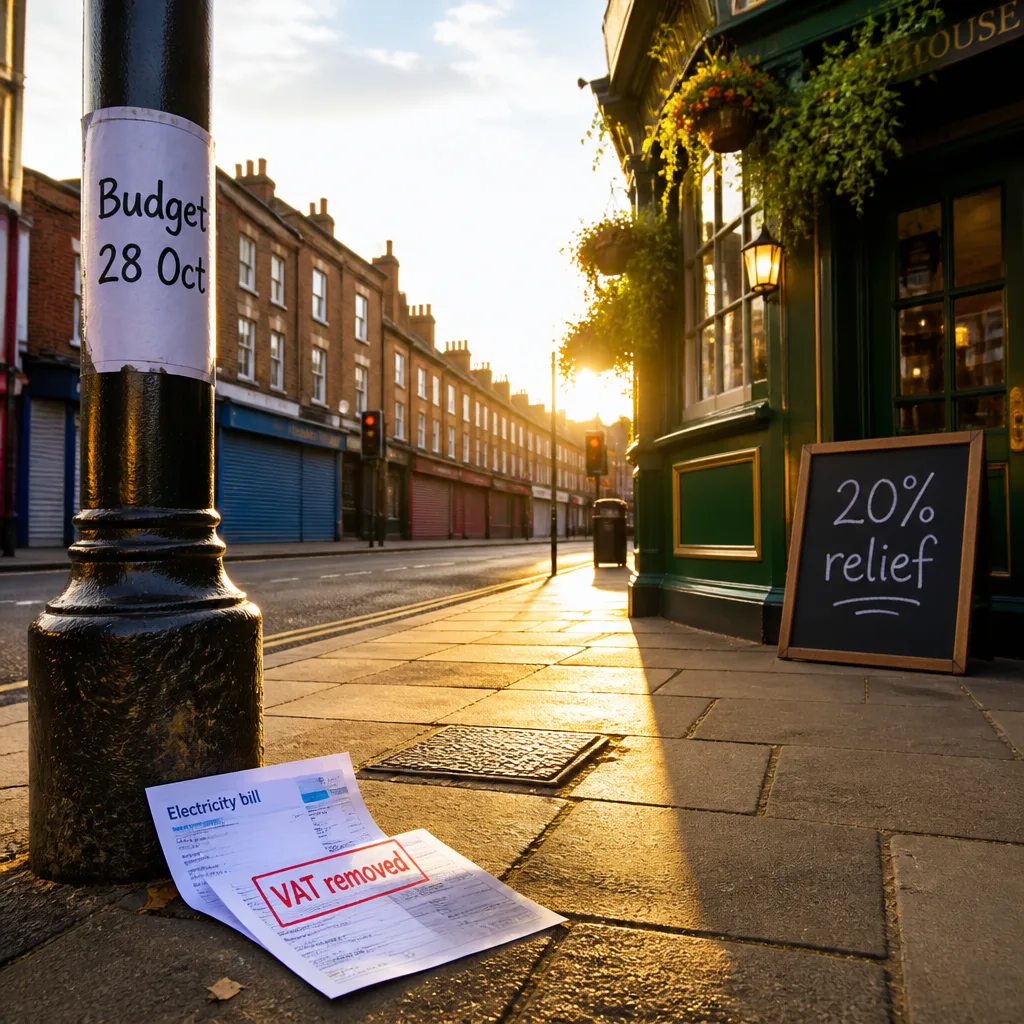
In an interview on BBC Radio 5 Live’s Wake Up To Money, the Prime Minister reiterated moves already taken since entering office, and flagged additional action in the budget scheduled for 28 October. He said the government is bringing forward a package of measures that includes removing VAT from electricity bills for some businesses and a temporary reduction in business rates for pubs and similar venues.
"We are going to bring forward the VAT cuts on electricity, we are bringing forward the business rate cuts for pubs, we’re going to look at business rates more broadly for high street businesses in the budget," he told the programme.
The pub relief has been described by Downing Street as a 20% rates reduction for pubs and comparable venues, one of the first cost-of-living measures enacted since the new administration took office. The Prime Minister said these early steps show the government is prioritising firms that have been hit by high energy bills and weak consumer demand.
Political reality: promises vs fiscal constraints
While signalling further support, the Prime Minister sought to temper expectations, stressing limited fiscal room for manoeuvre. He warned he would not "promise the earth" or bring forward measures that cannot be fully funded.
He also acknowledged policy legacies and ongoing cost pressures that complicate the task. In particular, he accepted that a previous decision to raise employer national insurance contributions added to firms’ burdens, alongside persistent energy costs.
What this means for businesses, workers and prices
The potential extension of business rates relief matters for a broad cross-section of the UK economy. Business rates are a major fixed cost for retail, hospitality and leisure firms. Relief can:
- Reduce cashflow pressures on small and medium-sized firms, helping them avoid insolvency or cutbacks that would otherwise hit jobs.
- Lower operating costs and potentially slow price increases for consumers if firms pass on savings, though there is no guarantee of such pass-through.
- Free up funds that could be used for investment, wage support or hiring — but the impact depends on each firm's priorities and financial health.
Yet relief can also carry trade-offs. Reductions in business rates lower central government revenue and, unless offset by other taxes or spending cuts, could constrain spending elsewhere or add to borrowing. The Prime Minister’s comment about funding limits suggests the government will weigh the fiscal cost carefully.
Officials’ thinking and next steps
Ministers are likely to design any broader rates package with targeting in mind — focusing support on high street shops, pubs and venues deemed at higher risk from energy and demand shocks. The stated advance of VAT relief on electricity indicates a short-term approach aimed at reducing immediate operating costs rather than a fundamental reform of the business rates system.
| Measure | Details announced or signalled |
|---|---|
| Business rates for pubs | 20% relief for pubs and similar venues |
| VAT on electricity | Removal of VAT brought forward for qualifying businesses (timing and scope to be set out) |
| Broader business rates | Prime Minister signalled further consideration at the 28 October budget |
For firms and investors, the key questions ahead of the budget will be how broadly any relief is applied, whether it is temporary or permanent, and how it is financed. Those answers will determine the likely effects on employment, retail pricing and corporate investment over the coming months.
With the government already having tightened employer national insurance in the recent past — a move the Prime Minister said added to companies’ costs — ministers face a delicate balancing act: offering support to avoid job losses and business closures while maintaining credibility on public finances.
Expect businesses to press for clarity on eligibility and timelines. For many small firms, the difference between receiving temporary relief this winter and having a longer-term change to fixed costs could be decisive for hiring and pay decisions.
As the budget date approaches, markets and firms will watch closely for specific measures and the government’s signal on how it intends to fund any additional relief without undermining fiscal stability.