More than 1,500 bus drivers employed by Arriva North London have been told to prepare for a wave of industrial action that will hit services across north London and parts of Essex this autumn. Unite the union has announced drivers will strike on 26 dates between August and October in a dispute centred on cabin conditions during extreme heat.
What the dispute is about
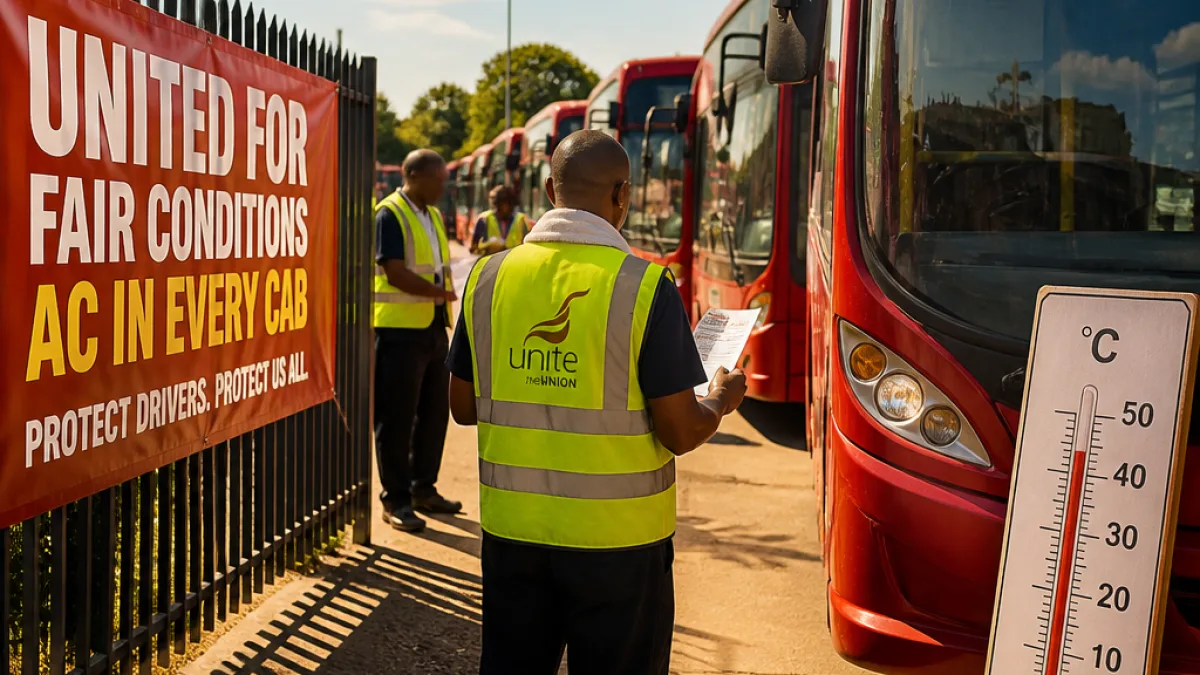
The union says many buses are fitted only with air-cooling systems that draw in outside air rather than full air conditioning, leaving drivers exposed to dangerously high temperatures. During recent heatwaves some cabs have reportedly exceeded 40C, according to Unite, with drivers describing their workspaces as like a "greenhouse".
"Life is not good. There's the toilet dignity issue which means that on certain routes there are no toilets or the toilets are of extremely poor quality. Driving in the summer is stifling. It's horrible. We have thermometers in the cab and it's got to over 40 degrees. It's impossible driving in that temperature."
The union also says drivers have suffered heat exhaustion, heat stroke and dehydration this summer. While Arriva has told staff they can take breaks as needed, Unite says drivers feel pressured to keep services running, and that management has not acted sufficiently on repeated complaints.
Who will be affected and when
Unite says the action involves drivers from eight garages in the Arriva North London network, with services across north London and parts of Essex expected to be disrupted on the announced dates. The strike programme runs from August into October, with the union describing it as repeated, targeted action to force the operator to improve protections for drivers during hot weather.
| Figure | Detail |
|---|---|
| Drivers | More than 1,500 |
| Garages affected | 8 |
| Strike dates | 26 dates between August and October |
Impact on passengers and the network
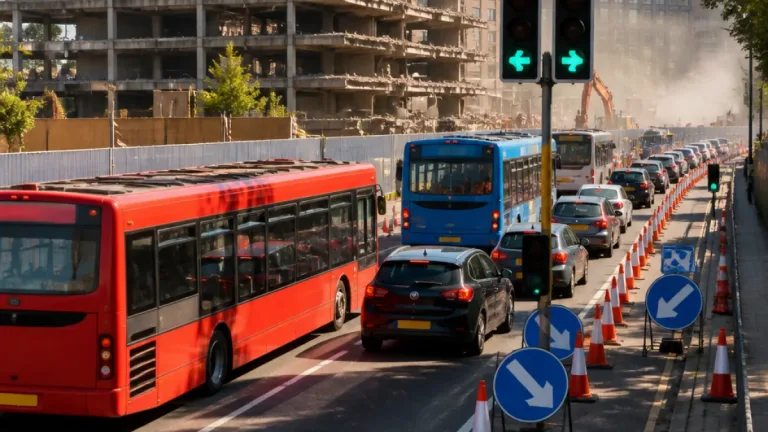
Commuters and local residents can expect cancellations, reduced frequencies and crowding on alternative services on strike days. The action comes after a summer of record high temperatures in the capital, when buses and underground trains reached sweltering levels and public concern about heat on public transport rose.
Transport for London (TfL) has contingency plans for industrial action in place, including rerouting, extra staffing at key interchanges and publicity to help passengers plan journeys. However, unions argue that operational solutions do not address the underlying safety and welfare concerns for drivers working in sustained extreme heat.
What drivers want
Unite has set out two central demands: that all buses are fitted with effective air conditioning that cools the driver’s cab, and that Arriva improves workplace protections so drivers are not forced to choose between their health and keeping services running.
- Full air conditioning for driver cabs rather than air-cooling systems
- Clear policies and protections for breaks and welfare during extreme heat
- Action to address long-standing complaints raised by staff
Arriva North London has been approached for comment. In previous disputes operators have argued that installing or retrofitting full air-conditioning across entire fleets is costly and logistically complex, and that short-term mitigation such as rota changes and additional breaks can help protect staff during heatwaves.
Voices from the road
Speaking in recent weeks, drivers described the practical toll of working in stifling conditions. One driver told the BBC the lack of reliable toilet access on certain routes compounded the problems, creating additional dignity and welfare concerns.
Local campaigners and passenger groups have expressed sympathy for drivers' grievances but warned that prolonged strikes risk significant disruption for those who rely on buses for work, schooling and appointments. Councillors in north London said they expect to press both the operator and TfL to secure a negotiated settlement before the first planned action date.
For now, passengers should check their routes and travel plans on strike days and expect changes to timetables. Unite says the programme of action is designed to escalate pressure on Arriva and secure concrete commitments on driver welfare ahead of next summer’s forecast of further spells of high temperatures.
Reporting from the streets of north London, the sense among drivers is one of mounting frustration: they say they are being asked to operate in conditions they consider unsafe, and are prepared to sustain action until they see meaningful change.