US school delay over mould a reminder for Mold communities
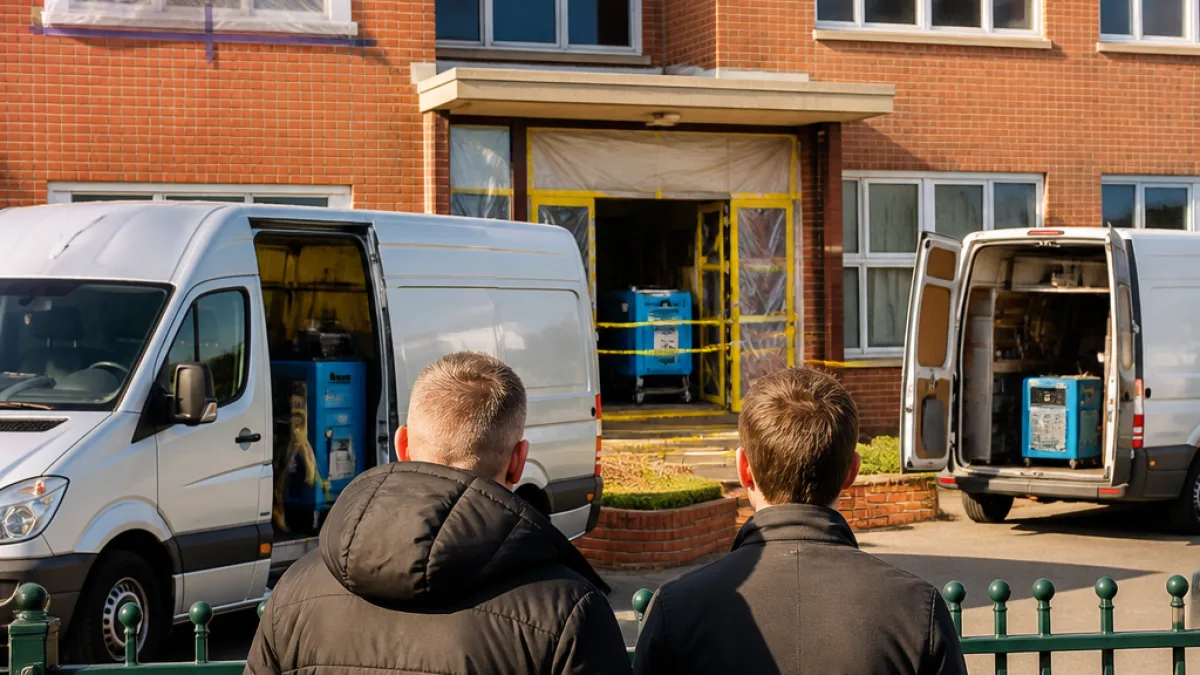
News that Wallkill Valley Regional High School in New Jersey delayed the start of term while contractors removed mould and completed air-quality tests has prompted fresh attention to how schools handle environmental hazards. The regional high school, which had been due to open on 1 September, pushed back its first day to 8 September after mould was detected in part of the building, the district superintendent confirmed.
The school — which serves about 580 pupils from several towns and first opened in 1982 — contracted a restoration company to carry out the remediation work. The head of the district said the delay would allow for full removal of affected materials and subsequent air-quality testing.
- Original opening date: 1 September
- Revised opening date: 8 September
- Pupil roll: approximately 580
- School established: 1982
“Please know that the safety of our school community remains our top priority and I will provide any additional updates if needed.”
The superintendent also told parents that the district had engaged a restoration firm to remediate the problem and urged patience as the work was completed. Student-athletes were advised to stay in touch with coaches about training and match arrangements while some sports fixtures continued to take place.
What this means for Mold
Although the incident occurred overseas, the sequence of events is familiar: detection of mould, engagement of specialists, postponement of normal activity and public communication from school leaders. For parents, teachers and governors in Mold, the episode underscores several practical points about school estate management and community reassurance.
First, identifying mould early and commissioning accredited remediation specialists reduces the risk of longer closures. Second, air-quality testing is often part of assurance before pupils and staff return. Third, effective communication from heads and trustees — explaining what was found, what will be done and the expected timetable — is central to maintaining trust.
Local authorities, governors and school leaders in Flintshire and across north Wales already manage a wide range of building issues, from heating and ventilation to the upkeep of older Victorian and post-war school buildings. While the Wallkill Valley case does not directly involve any local school, it provides a timely example of how one district handled a disruptive environmental problem.
| Detail | Wallkill Valley Regional High School |
|---|---|
| Scheduled opening | 1 September |
| Revised opening | 8 September |
| Approximate pupil numbers | 580 |
| Year opened | 1982 |
Parents in Mold who are concerned about indoor air quality or possible mould in their child’s school can raise the matter with their school’s governing body or the local authority. Typical steps taken in such situations include visual inspections, testing of suspect areas and employing specialist remediation companies where necessary.
The Wallkill Valley statement also underlines the importance of contingency planning. In the New Jersey district, coaches and sports organisers were asked to keep athletes informed about arrangements — an example of how operational details can be handled to reduce disruption when buildings are temporarily unavailable.
For families in Mold, the reaction from overseas serves as a practical prompt: to ask how local schools monitor building condition, how quickly problems are escalated and how parents will be informed if any remediation work is required. Clear, timely information alongside professional remediation and testing remains the central expectation of communities when environmental issues are discovered in schools.
Local councillors and school governors who wish to review current arrangements for premises management and indoor air quality may now find more colleagues prepared to discuss such checks, given how often issues with older building stock require attention. The New Jersey case shows that, while disruption is sometimes unavoidable, the priority is to restore safe conditions before pupils return.