Supermarket chain Lidl has launched a free primary school education programme in the Republic of Ireland designed to help young pupils build positive relationships with fruit and vegetables through practical, curriculum-linked learning.
The scheme, called Lidl Foodies, is backed by an investment of €150,000 and aims to reach more than 30,000 pupils aged four to seven in its first year. Teachers will receive ready-to-use lesson plans, activity sheets and classroom displays intended to encourage children to try, taste, grow and understand fresh food across the school year.
Programme modules and practical learning
The programme is structured around four modules timed to the school year:
- Lidl Tasters (autumn) — activities to explore the smell, taste and texture of fresh fruit and vegetables;
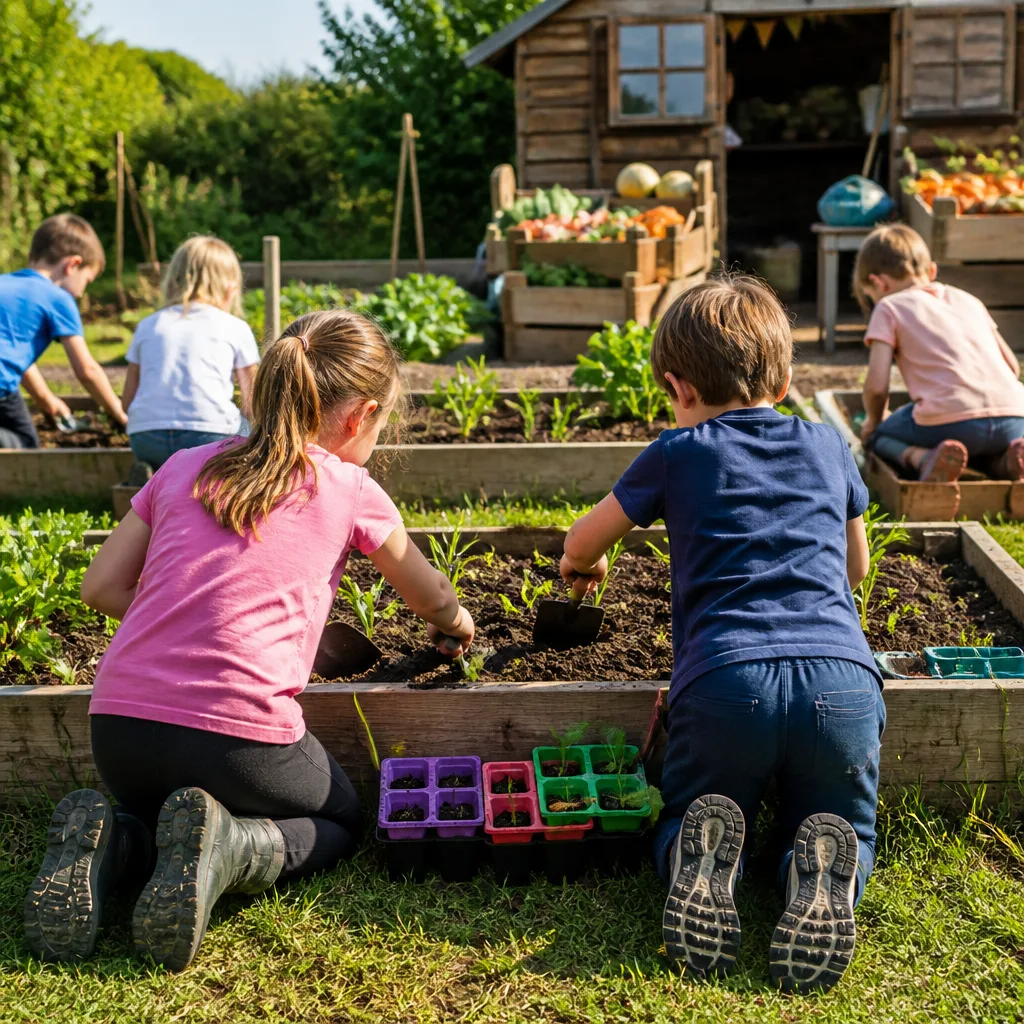
- Lidl Growers (spring) — lessons on where food comes from and how to grow produce;
- Lidl Makers (summer) — basic cookery and food preparation skills;
- Farm to Fork — a practical visit to Lidl’s outdoor classroom at its Regional Distribution Centre in Newbridge, Co Kildare.
The Farm to Fork element makes use of an eight-acre site Lidl converted into an outdoor classroom with support from Agri Aware, a charitable body that aims to strengthen links between the agricultural sector and the wider public. The visit is intended to let pupils apply classroom learning in a farm-like setting run by the retailer.
"Our ambition is to make food education more accessible, practical and engaging for children across Ireland," said Eimear O Sullivan, corporate affairs director at Lidl Ireland and Northern Ireland.
Context: why food education matters
The programme arrives against a backdrop of concerning diet trends among children reported by Ireland’s national statistics office. Data from the Irish Health Survey 2024, published by the Central Statistics Office, shows that almost one in ten children aged two to eight did not eat fruit or vegetables every day, with the proportion rising to 15.7% among 13–17-year-olds.
Those figures are cited by Lidl as part of the rationale for targeting early years, when food preferences and habits are forming and when hands-on, sensory approaches can be particularly effective.
Implications for teachers and schools
Because the materials are aligned with the primary school curriculum, Lidl says the resources are intended to be practical for classroom use. For schools, the offer presents an externally funded package that could supplement existing health and science teaching while reducing preparation time for teachers.
Key questions for education leaders will include whether the resources meet pedagogical standards, how the programme fits with existing curricular priorities, and how schools manage visits to a private company’s facility. The involvement of Agri Aware — an independent agricultural charity — and the curriculum alignment are likely to be presented as safeguards and examples of partnership working.
| Item | Detail |
|---|---|
| Investment | €150,000 |
| Target pupils (year 1) | 30,000+ children aged 4–7 |
| Location of farm classroom | Regional Distribution Centre, Newbridge, Co Kildare |
| Partner | Agri Aware |
For primary teachers, classroom-ready packs that require minimal adaptation can be attractive given heavy workloads. Schools already delivering food education or farm-to-school activities may welcome additional, free resources; others may be cautious about external commercial partnerships. The materials’ claimed curriculum alignment will be a central factor for school leaders deciding whether to adopt the programme.
From a public-health perspective, targeting children at the start of formal schooling is a recognised approach to shaping long-term dietary habits. The sensory and practical emphasis — tasting, growing and cooking — mirrors techniques used in other successful food-education initiatives.
How fully Lidl Foodies is taken up, and whether it results in measurable changes in pupils’ consumption or attitudes to fruit and vegetables, will depend on the extent of school participation, the quality of classroom delivery and any evaluation framework attached to the initiative. Lidl’s initial financial commitment and the scale of the target reach mean the programme is likely to become a visible feature of primary food education in Ireland in the short term.