The Government has appointed Sarah Smith, the Labour MP for Hyndburn and Haslingden, as a Parliamentary Private Secretary (PPS) to Education Secretary Lucy Powell, bringing a backbench voice with a sustained interest in youth employment into the Department for Education's parliamentary team.
From constituency campaigning to ministerial doorway
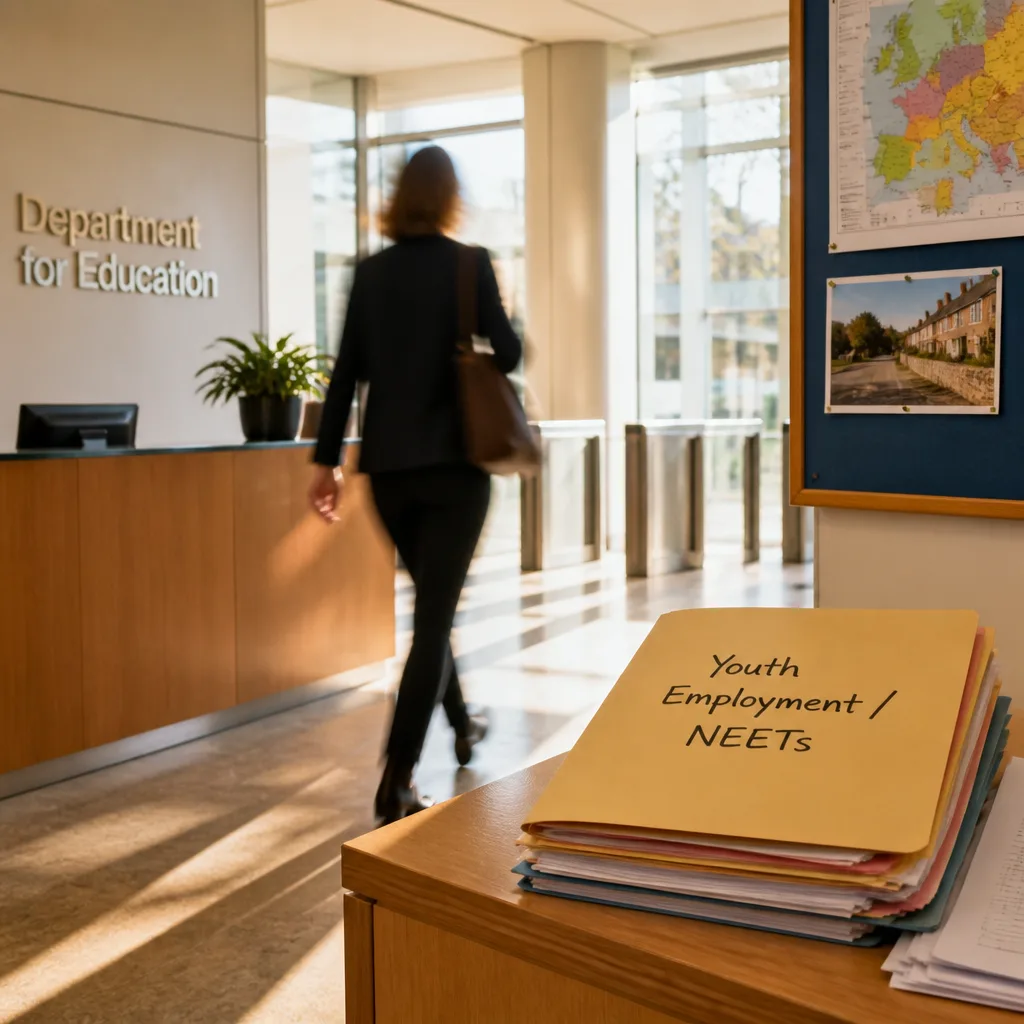
Ms Smith, who was elected at the 2024 general election after defeating Conservative Sara Britcliffe, is a first-term MP whose constituency work and earlier campaigning have centred on young people who are not in education, employment or training (NEETs). Her appointment as PPS places her in an unpaid ministerial aide role designed to act as a conduit between ministers and backbench colleagues, helping government to stay attuned to parliamentary opinion while offering the MP experience of working within Whitehall.
The move also tightens a thread between the Department for Education and a backbencher who has previously held responsibilities within the Labour parliamentary group as its Opportunity Mission Champion, a role focused on shaping and promoting policies aimed at improving life chances for young people and addressing barriers to opportunity.
“I am delighted to have been appointed as Parliamentary Private Secretary to Lucy Powell. It is a real privilege to take on this role and to support her in delivering for people across the country,” Ms Smith said. “While I take on this additional responsibility, my priority will always remain representing the people of Hyndburn and Haslingden and continuing to champion the issues that matter most to our local communities.”
Context and implications for education policy
The appointment comes as Lucy Powell, the Manchester Central MP, leads the department after a change of prime ministerial control earlier in the summer. Bringing an MP who has researched and campaigned on youth unemployment issues closer to the Education Secretary could signal a continued focus on transitions from education into work, particularly for groups at risk of long-term disengagement.
While the PPS role does not carry ministerial authority or pay, it is commonly used to strengthen connections between departmental teams and the parliamentary party, and to brief ministers on the mood among backbench MPs. For Ms Smith, the role is an early step in ministerial experience; for the department it provides a channel to someone with constituency experience of the challenges facing young people in the labour market.
- Profile: Sarah Smith — Labour MP for Hyndburn and Haslingden, first elected 2024.
- New role: Parliamentary Private Secretary to Education Secretary Lucy Powell.
- Policy focus: youth unemployment and NEETs; previously Labour’s Opportunity Mission Champion.
| Item | Detail |
|---|---|
| MP | Sarah Smith (Hyndburn and Haslingden) |
| Role | Parliamentary Private Secretary to the Education Secretary |
| Education Secretary | Lucy Powell (Manchester Central) |
| Relevant background | Campaigning/research on youth unemployment and NEETs; Opportunity Mission Champion |
Opposition and wider parliamentary interest typically treat PPS appointments as signals about departmental priorities and about potential future ministerial talent. Observers of education policy will watch whether Ms Smith’s experience of constituency-level youth work and her campaigning focus influence departmental attention on transitions into work, early intervention for young people, and support for those outside education and employment.
Announcing the appointment, Ms Smith pledged to continue representing her constituency while supporting the Education Secretary’s work nationally. The role will involve helping to communicate department policy to MPs and relaying backbench concerns into ministerial discussions — a customary but strategically significant function at a time when youth employment and education-to-work pathways are high on political agendas.
For teachers, local authorities and community organisations working with young people, the appointment may be welcomed as adding a voice with direct experience of NEET-related issues to the department’s parliamentary team. How that voice translates into policy influence will depend on the priorities set within the department and the wider government programme in the months ahead.