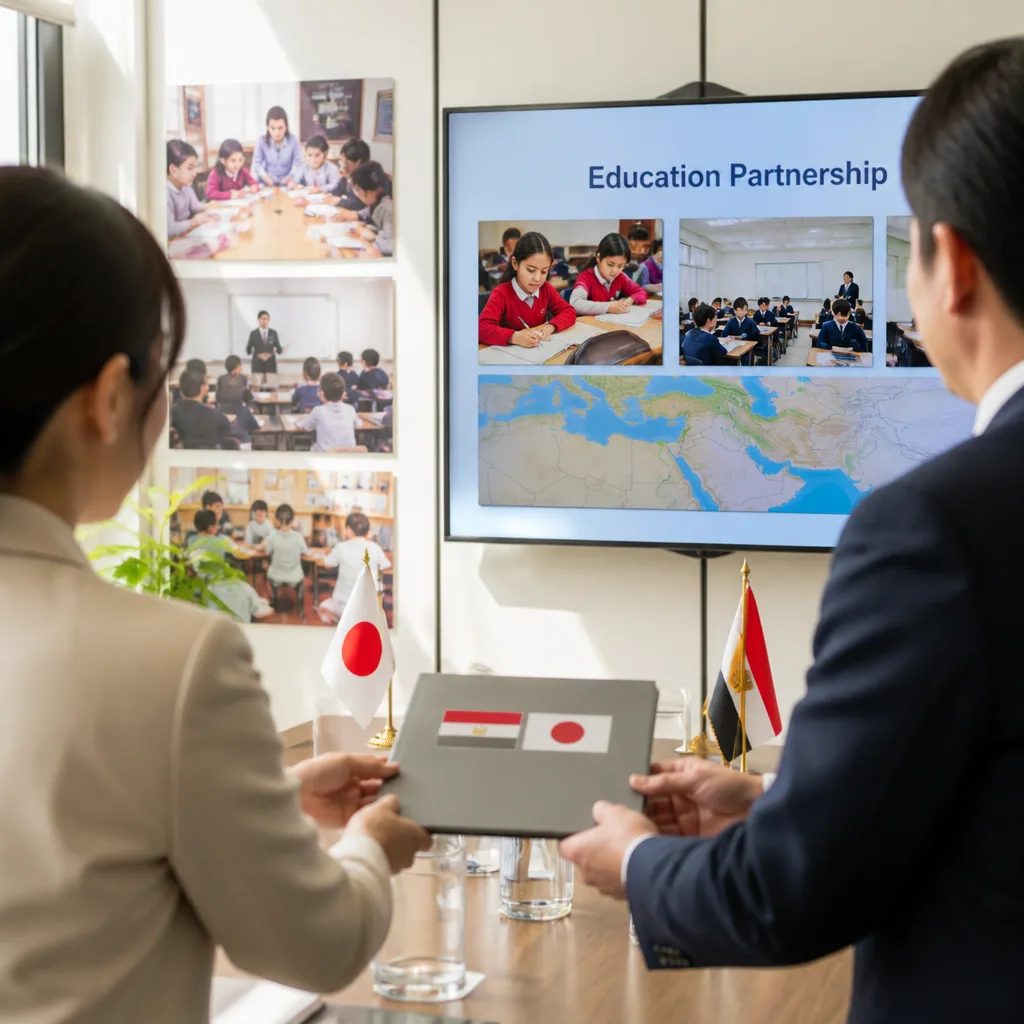
The Egyptian Minister of Education and Technical Education, Mohamed Abdel Latif, has held talks in Japan with the Japan International Cooperation Agency (JICA) First Vice President, Yuko Mitsui, on widening bilateral education projects, with a particular focus on expanding Egyptian‑Japanese schools and launching a teacher development programme.
Planned expansion and training
Officials agreed that the number of Egyptian‑Japanese schools will increase sharply, with the Education Ministry expecting the network to reach 102 schools in September, up from 69 last year and 52 two years ago. The talks also covered a cooperation arrangement with Hiroshima University to provide comprehensive teacher training due to begin in September.
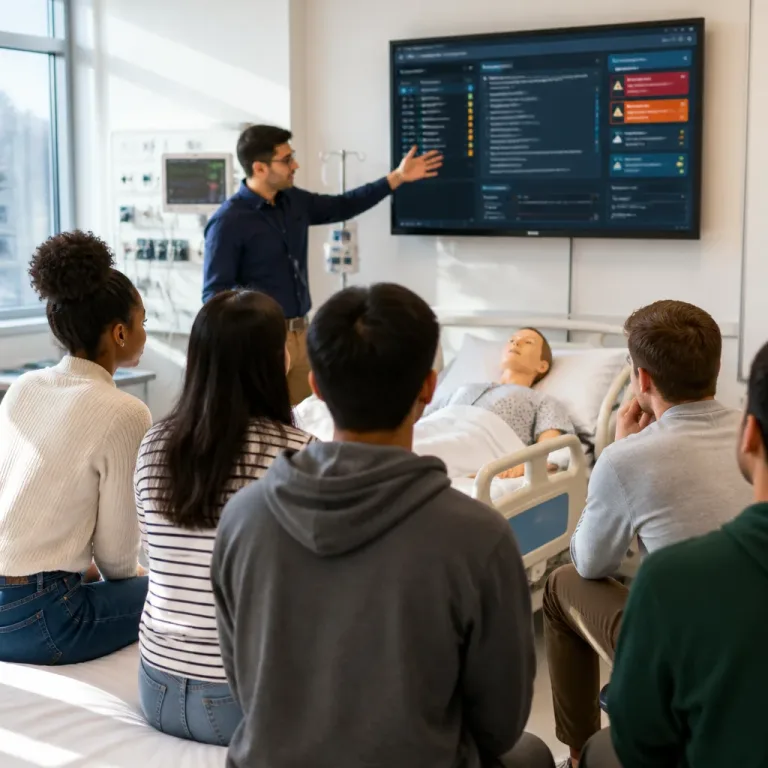
The ministry said the Hiroshima University programme will be delivered in person in Egypt and will include 10 courses taught by the university’s professors. The curriculum is described as combining theoretical, practical and research elements intended to strengthen teachers’ skills within frameworks inspired by the Japanese education system.
Extending Japanese practices beyond specialist schools
Aside from expanding the dedicated Egyptian‑Japanese school network, both sides discussed transferring elements of the Japanese model into mainstream public schools. The aim is to adapt Japanese educational practices to the Egyptian context so that benefits can be realised at scale across the national system.
JICA expressed strong interest in the project and commended Egyptian efforts to enlarge the school network while emphasising the need to safeguard quality. The agency characterised the Egyptian‑Japanese collaboration as an important example of educational cooperation beyond Japan’s borders, and the discussions considered whether the experience could be shared with other countries in the Arab world and Africa.
Why this matters for classrooms and policy
The expansion of a foreign‑model school network and the introduction of a university‑led teacher training programme have several practical implications for Egyptian education policy and classroom practice.
- Teacher professional development: a structured programme with Hiroshima University promises sustained, in‑country training that combines practice and research rather than short exchanges or one‑off workshops.
- Scaling pedagogic approaches: adapting Japanese methods for mainstream schools could change classroom management, lesson planning and assessment if pilot strategies are systemically integrated.
- Regional diplomacy through education: JICA’s framing of the initiative as a model for other countries indicates that education is being used as a channel for soft power and international cooperation.
For teachers and school leaders the success of the initiative will rest on how classroom‑relevant the training is, how well it maps onto Egypt’s curriculum and examination structure, and whether additional resources are provided to sustain new practices once implemented.
Numbers at a glance
| Year | Number of Egyptian‑Japanese schools |
|---|---|
| Two years ago | 52 |
| Last year | 69 |
| September (planned) | 102 |
Officials emphasised that expansion should not come at the expense of education quality. JICA’s vice‑president highlighted the importance of maximising the benefits of the Japanese approach while maintaining standards as the network grows.
Further details on the content of the Hiroshima University courses, the selection and number of teachers to be trained, and the timetable for rolling Japanese practices into mainstream schools were not disclosed in the ministry statement. Observers will be attentive to how the programmes are evaluated and whether measurable impacts on teaching quality and pupil outcomes are demonstrated as the initiative is implemented.
The dialogue underlines a broader trend in which countries adopt and adapt aspects of foreign education systems through institutional partnerships, and it raises familiar questions about transferability, cultural fit and sustainability when classroom models move across borders.