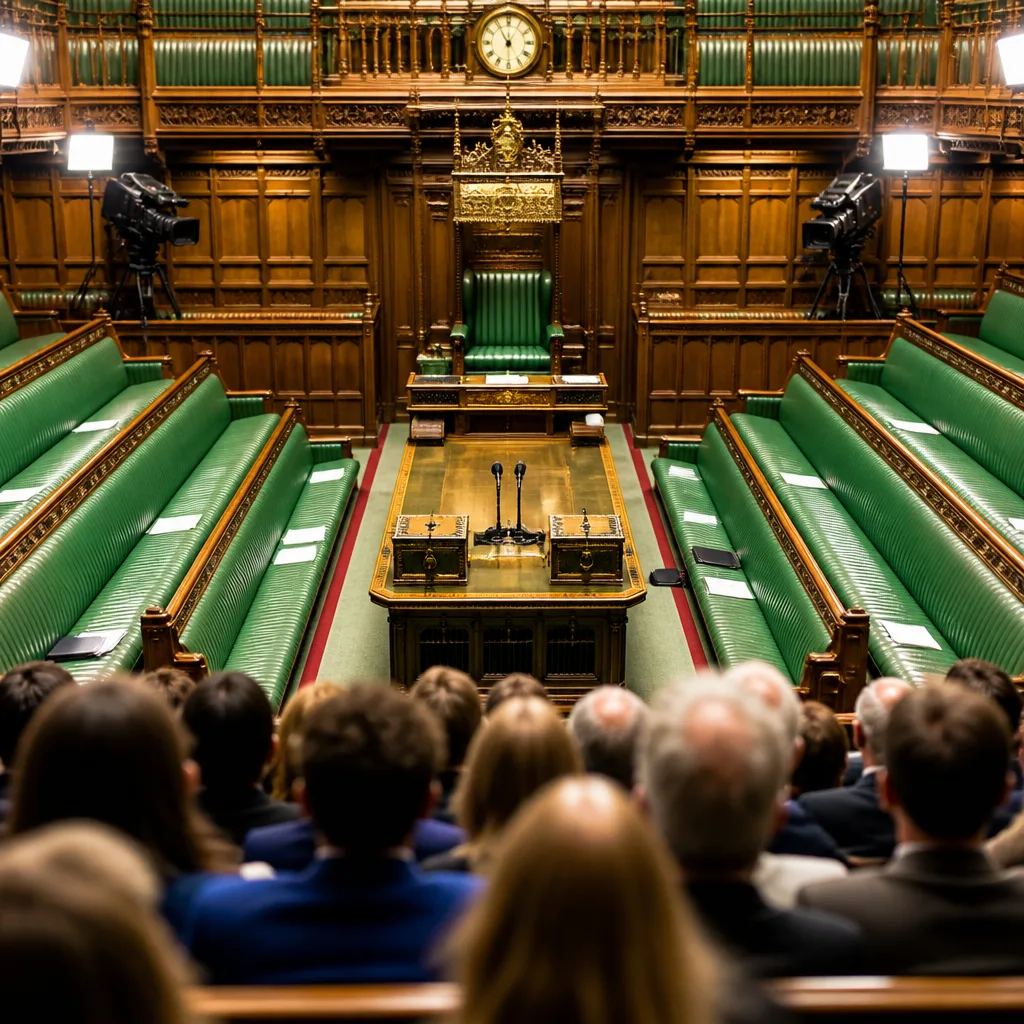
Andy Burnham will face the Commons for his first formal Prime Minister’s Questions (PMQs) at lunchtime, entering a ritual that has long been central to the public image of Westminster, as Parliament resumes regular business after the summer break.
Immediate testing ground
PMQs lasts about half an hour and is the weekly stage on which prime ministers meet direct scrutiny from MPs. Mr Burnham arrives at the despatch box after an opening week in which the Commons calendar had been sparse because of the summer recess, giving him what colleagues described as a brief, lower‑intensity period before facing sustained questioning.
On Tuesday he endured roughly three and a half hours of questions in the Commons, observers said, a concentrated period of scrutiny that has been followed by a fuller timetable of parliamentary duties. His early movement around the chamber offered a glimpse of how he intends to present himself: measured, accessible and outwardly upbeat.
Stagecraft and party ritual
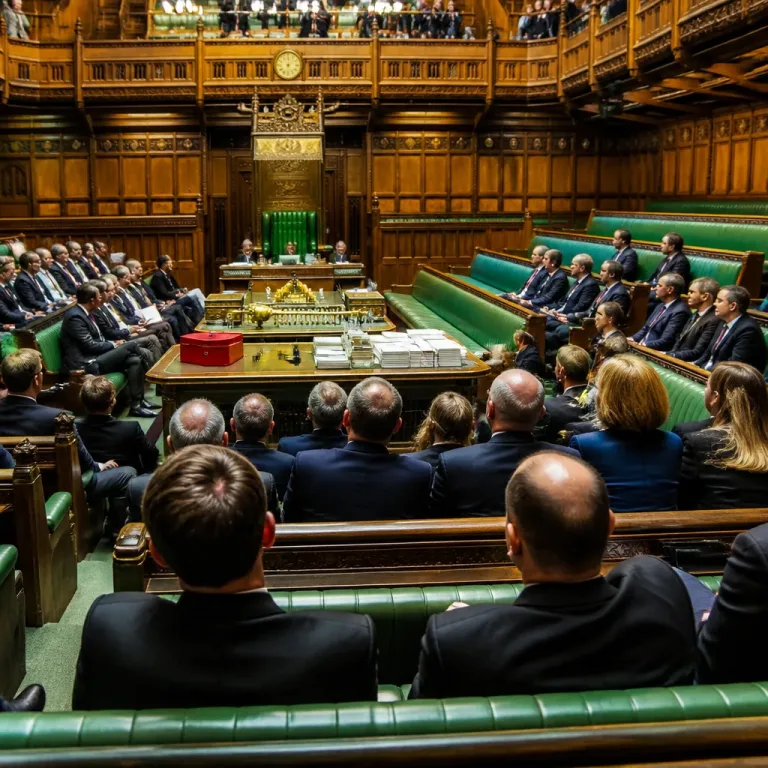
Inside the chamber, the customary noises of party support were on display. Mr Burnham took his seat flanked by Labour’s deputy leader, Lucy Powell, and his first secretary of state, Louise Haigh. MPs from the government benches responded with a vigorous show of support, a familiar parliamentary ritual that commentators say is often performed irrespective of immediate political fortunes.
Opposition figures and political opponents have noted the prime minister’s sunnier demeanour, while also seeking to emphasise substantive policy concerns. Those issues are expected to feature prominently at PMQs and in the weeks of questioning that follow.
"PMQs was the most nerve wracking, discombobulating, nail biting, bowel moving, terror inspiring, courage draining experience in my prime ministerial life, without question."
The line above is taken from Sir Tony Blair’s memoirs and is often cited by political journalists and former ministers to characterise the intensity of the weekly encounter.
Policy battlegrounds
From the outset, the government will face immediate lines of attack and scrutiny in the Commons. Parliamentary sources identified three principal areas where Mr Burnham is likely to be pressed:
- Prisons — MP complaints about overcrowding and conditions;
- Defence — concerns from opponents about resources and capability;
- Social care — pressures on services and the delivery of reform.
These themes feature repeatedly in question periods and will be central to how Mr Burnham’s early tenure is assessed by MPs, journalists and stakeholders.
| Issue | Parliamentary focus |
|---|---|
| Prisons | Overcrowding and operational capacity |
| Defence | Funding and force readiness |
| Social care | Service pressures and reform delivery |
Political implications
For the prime minister, PMQs is both an opportunity and a risk. It is a moment to define the government’s immediate priorities and to set the tone for engagement with Parliament. It is also a forum where performance is instantly and publicly evaluated by opponents, the press gallery and the wider public.
Parliamentary commentators note that Mr Burnham’s arrival coincided with the summer departure of MPs from Westminster, affording him a short period free from the normal weekly battleground of questions. That respite has now ended. Over the coming days and weeks, the frequency and intensity of scrutiny will increase as MPs pursue lines of questioning that have been building during the recess.
How effectively Mr Burnham navigates that scrutiny will help shape early impressions of his government’s command of policy detail and its capacity to respond under pressure.