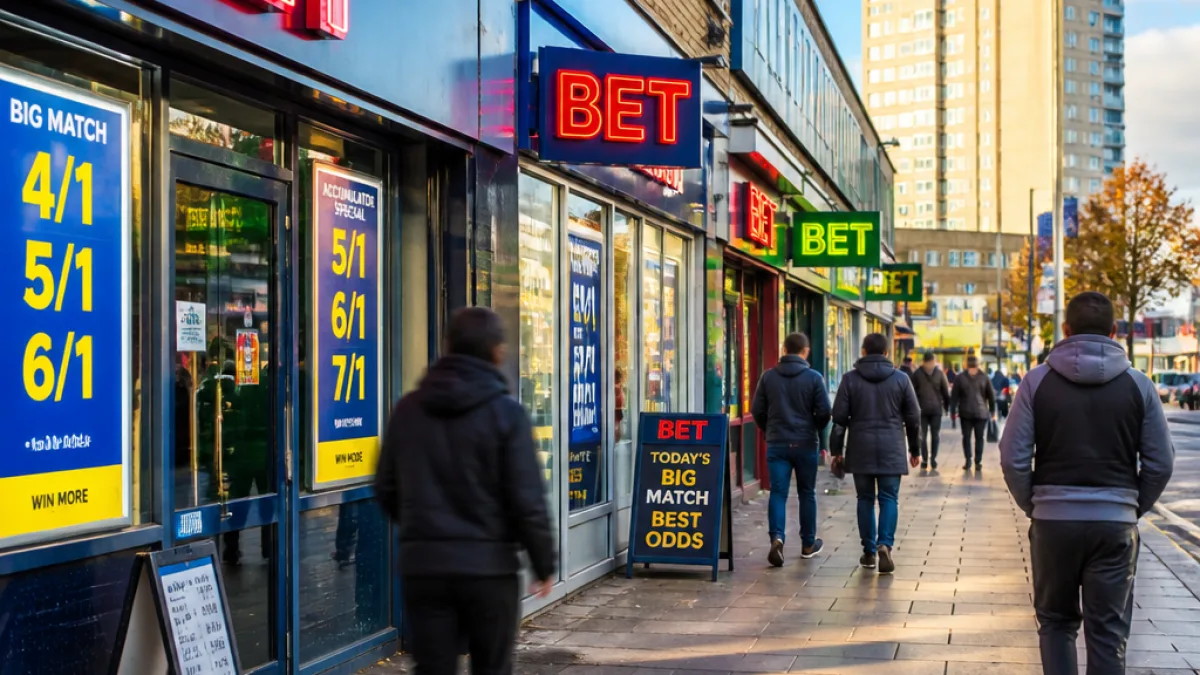
Residents of Barking and Dagenham have told councillors they are tired of seeing betting shops on virtually every high street, prompting the council to propose tougher controls on gambling premises licences aimed at preventing harm and protecting the borough’s most deprived areas.
Local concerns over density and deprivation
Fourteen people responded to an online consultation on a draft licensing policy that, the council says, showed a “significant level of concern about the number of betting shops within the borough”. Respondents told officers that outlets were concentrated in the borough’s poorest neighbourhoods and open late into the night.
“Barking is one of the poorest boroughs in London, one of the most deprived boroughs, one of the boroughs that claims the most benefits, yet everywhere you go in Barking, you see gambling stores.”
The draft policy sets out plans to place more emphasis on “preventing harm and improving public health” when councillors and licensing officers decide applications for new gambling premises licences. Officials say the changes would allow them to take account of local deprivation when assessing whether a new betting shop is appropriate.
Numbers and hotspots
Council figures show there are currently 42 betting shops, adult gaming centres and bingo halls across the borough. Of those, 11 are clustered around Barking town centre and 5 around Heathway in Dagenham — areas the council has identified as having high levels of poverty and higher crime rates.
| Area | Number of gambling venues |
|---|---|
| Barking town centre | 11 |
| Heathway, Dagenham | 5 |
| Rest of borough | 26 |
Residents told the consultation they felt betting shops were being sited in deprived communities because rents were lower and there was a steady customer base. One respondent said you “can’t go 100 metres” without coming across a gambling outlet.
Industry response and council aims
The gambling industry pushed back in the consultation, describing betting as a “hugely popular British leisure activity” that supports “hard-pressed high streets”. The sector argues that betting shops provide footfall and jobs and contest the idea that their presence necessarily worsens local harm.
But the council’s draft policy takes a different stance. It states licensing decisions should weigh the risk of harm to individuals and communities, and includes a commitment to protect “areas experiencing high deprivation”. The policy is intended to give councillors and licensing officers firmer grounds to refuse new premises licences where local impacts are judged unacceptable.
What changes could mean for residents and businesses
If adopted, the revised policy would not close existing shops automatically, but it could:
- make it harder for new betting shops to open in areas already judged to have a high density of gambling facilities;
- allow licensing committees to refuse applications where there is demonstrable risk to public health or local amenity;
- support conditions on licences designed to reduce harm, such as restricted opening hours or requirements for visible support information for problem gambling.
For residents on the ground, the issue is immediate. Outside Barking station, shopfronts advertising betting odds and flashing gaming machines dominate some stretches of the high street. “It feels like they’re targeting us,” one passer-by told me. “There’s nowhere else to spend our money.”
Next steps and scrutiny
The council will consider the consultation responses and is expected to publish a finalised policy setting out new licensing criteria. Any changes will be used by councillors when deciding licence applications and reviews.
Local campaigners and some councillors will push for the policy to be robust, arguing that planning and licensing are among the few levers available to rebalance high streets and protect vulnerable people. Others will caution that the council must balance harm prevention with the economic role of leisure businesses on town centres.
As the debate continues, the numbers behind the concern are clear: 42 gambling venues across one borough, and clusters around its most impoverished neighbourhoods. That statistical concentration is central to the council’s case for change — and to residents who say their communities are paying the price.