
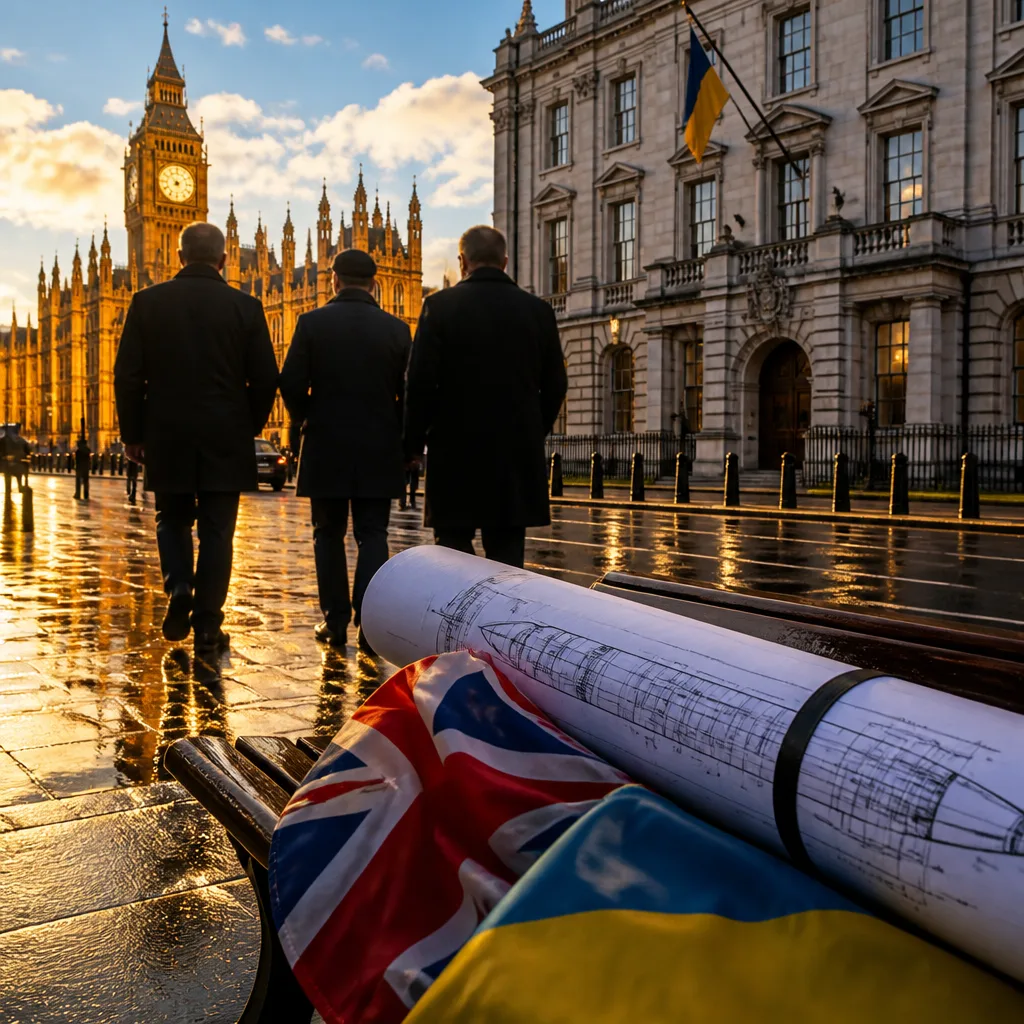
Prime Minister Andy Burnham has provoked a robust response from Moscow after publicly providing Kyiv with technical information on building longer-range missiles, according to reports. The disclosure in Ukraine has been portrayed by the Kremlin as a decisive escalation, with Russian officials warning that the UK’s deeper involvement will carry a price.
Diplomatic fallout and Russian warnings
The Kremlin said the provision of technical material and other steps by Britain amount to a form of participation in the conflict, and criticised the UK for adding what it called "fuel to the fire". Russia’s embassy in London issued an early warning about consequences for increased British support, a stance later echoed by senior Russian diplomats.
"Who started the fire?"
The Prime Minister, speaking after the announcement, dismissed Moscow’s threats with the retort quoted above and pledged that Britain would not be a "fair-weather friend" to Kyiv. The remarks follow a period of intensified British assistance: media reports say the UK has committed a total of £25 billion in support for Ukraine since 2022, of which about £16 billion has been allocated to military assistance.
Security and intelligence concerns
The revelation that classified technical information relating to missile production was disclosed has immediate implications for security policy and parliamentary oversight. Western allies have previously supplied a range of capabilities and training to Ukraine; the reported release of detailed blueprints represents a marked escalation in the nature of assistance.
Observers will press for clarification from the Foreign Office and the Ministry of Defence over the nature of the material shared, by what authority it was released, and whether such action followed established safeguards and inter‑ally consultation. The decision also raises questions about the handling of classified information in a theatre of active conflict.
Political context at home
The Prime Minister’s intervention comes early in his premiership and marks a more visible personal involvement in foreign policy than in his previous political roles, according to analysts. The Kremlin’s removal of its ambassador to the UK shortly after the change of government has already signalled strained relations between the two capitals.
Burnham asserted continuity with previous UK governments, noting that support for Ukraine has been a cross‑party feature of recent administrations. Reported UK commitments since 2022 form part of that continuum, though the technical nature of the recent disclosure has moved the discussion into new territory.
Immediate questions for government and parliament
The following points will be central to upcoming scrutiny:
- What specific technical information was shared and under what legal and ministerial authority;
- Whether the disclosure was coordinated with NATO allies and Ukraine’s international partners;
- How the government will manage the diplomatic consequences with Moscow, including any reciprocal measures.
| Summary figures reported | Amount |
|---|---|
| Total UK assistance to Ukraine since 2022 | £25 billion |
| Reported military assistance within that total | £16 billion |
The government has yet to publish a full account of the materials or methods involved in the latest disclosures. Ministers will face pressure from parliamentarians and security committees to explain the scale and oversight of the intervention, and to set out how the move aligns with wider UK strategy on Russia and Ukraine.
The situation will also be watched closely by allied capitals. Any perceived departure from established norms on the transfer of sensitive military information could prompt discussions within NATO and among partner states on coordination and risk management.
For now, the Prime Minister frames the action as part of an unequivocal commitment to Ukraine’s defence. Moscow’s public warnings indicate they perceive it differently. The coming days are likely to test diplomatic channels and the government’s capacity to justify a controversial operational decision at a time of heightened tension.












