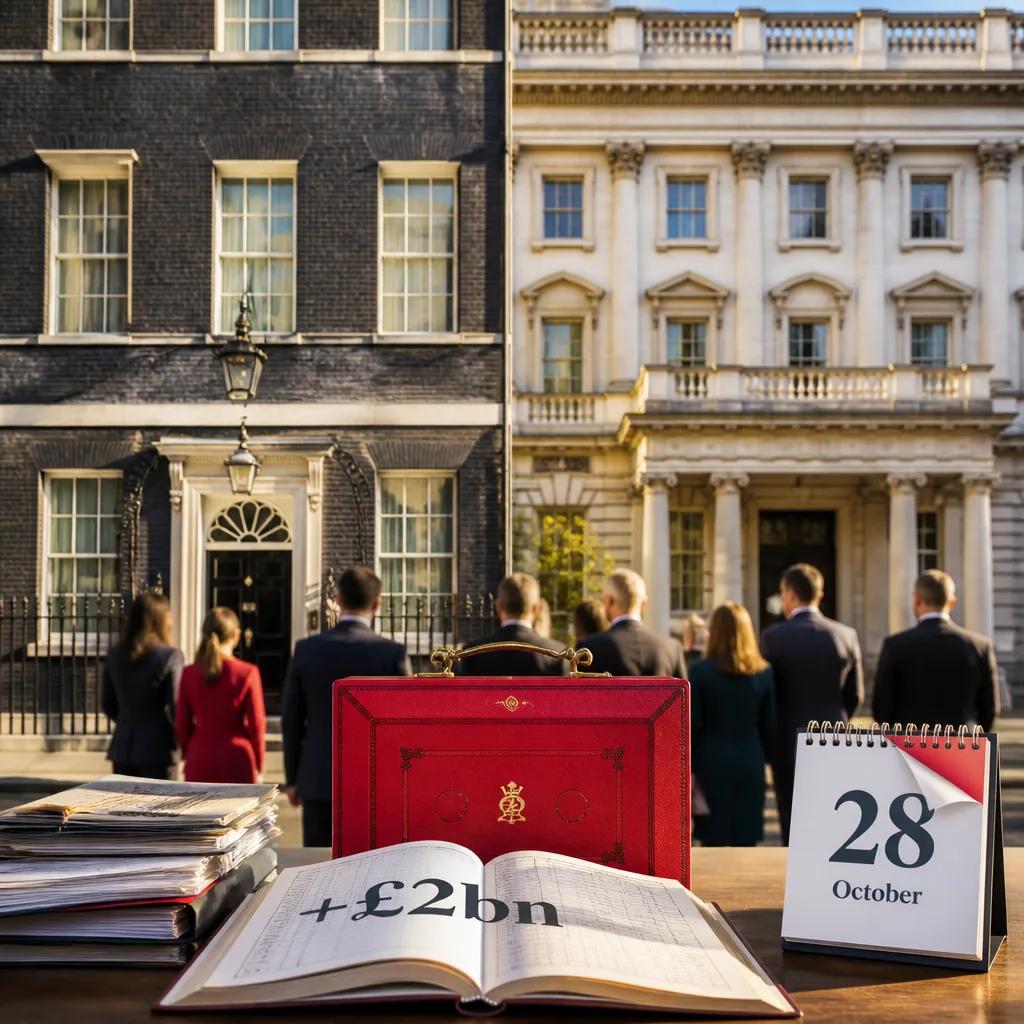
Prime Minister Andy Burnham’s redistribution of economic authority and his choice of John Healey as Chancellor have injected new uncertainty into Whitehall as ministers prepare for a crucial Budget on 28 October. Ministers and officials say they remain unclear about the detailed direction of Treasury policy, while recent public borrowing data has increased fiscal pressure on the new administration.
New balance of power
Burnham has signalled a structural shift in how economic strategy will be run from Downing Street, assigning the traditional Treasury role of promoting growth to a strengthened No10 apparatus — sometimes described as "No10 North" — while leaving control of public finances to the Treasury. The Prime Minister told The Times that placing responsibility for growth in No10 would give him the capacity to "unlock the blockages where they exist in the wider Whitehall system", a comment that has changed expectations across Whitehall.
The decision left some Cabinet ministers unsettled. Senior figures say many in Westminster were surprised by Healey’s appointment and are unsure what his economic philosophy will mean for tax, spending and borrowing decisions ahead of the autumn Budget. One minister involved in Budget discussions told reporters they were still largely in the dark about the Chancellor’s plans.
"He isn’t simply loyal to Burnham – he sees his role as being willing to challenge him and tell him 'no' when necessary,"
This description, provided to The i Paper by a government source, frames the relationship between the Prime Minister and his Chancellor as one of mutual trust but not unquestioning deference. Healey’s reputation among colleagues as a senior operator who can push back on No10 — rather than a nominal enforcer of Downing Street priorities — will shape negotiations over the autumn.
Borrowing data sharpens dilemma
Complicating the political landscape are the latest Treasury figures that show an unexpected monthly rise in public borrowing: £2bn more was borrowed in July than a year earlier. That surprise increase tightens the fiscal headroom available to the new administration and heightens the stakes of any decisions on tax or spending ahead of October.
| Metric | Reported change |
|---|---|
| Public borrowing (July, year-on-year) | +£2bn |
Officials warn that unexpected movements in borrowing narrow options for both growth-oriented interventions and fiscal consolidation measures. The Chancellor and No10 must now weigh near-term choices that will determine whether the Government seeks to stimulate growth, protect public services, or raise revenues.
Implications for the Budget
With the Budget little more than two months away, the split in responsibilities between No10 and the Treasury will require tight coordination. The new arrangement presents several practical and political questions:
- Who will be the decisive voice on tax policy and revenue decisions that affect borrowing?
- How will growth initiatives led by No10 be funded without increasing deficit risk?
- Can a working relationship in which the Chancellor can challenge the Prime Minister deliver coherent economic policy under time pressure?
Those questions will be answered in part by how the Chancellor chooses to present spending forecasts and by the degree of independence he exercises from No10. The publicised £2bn rise in borrowing will be used by opposition parties to press the Government on credibility and fiscal discipline. Ministers will also face scrutiny from markets and rating agencies assessing the sustainability of UK public finances.
For now, Burnham and Healey have to balance competing demands: delivering growth in a sluggish economy while containing borrowing that has moved in an adverse direction. The next two months will test whether the new split in economic responsibilities can produce a united fiscal strategy ready for Parliament in October.