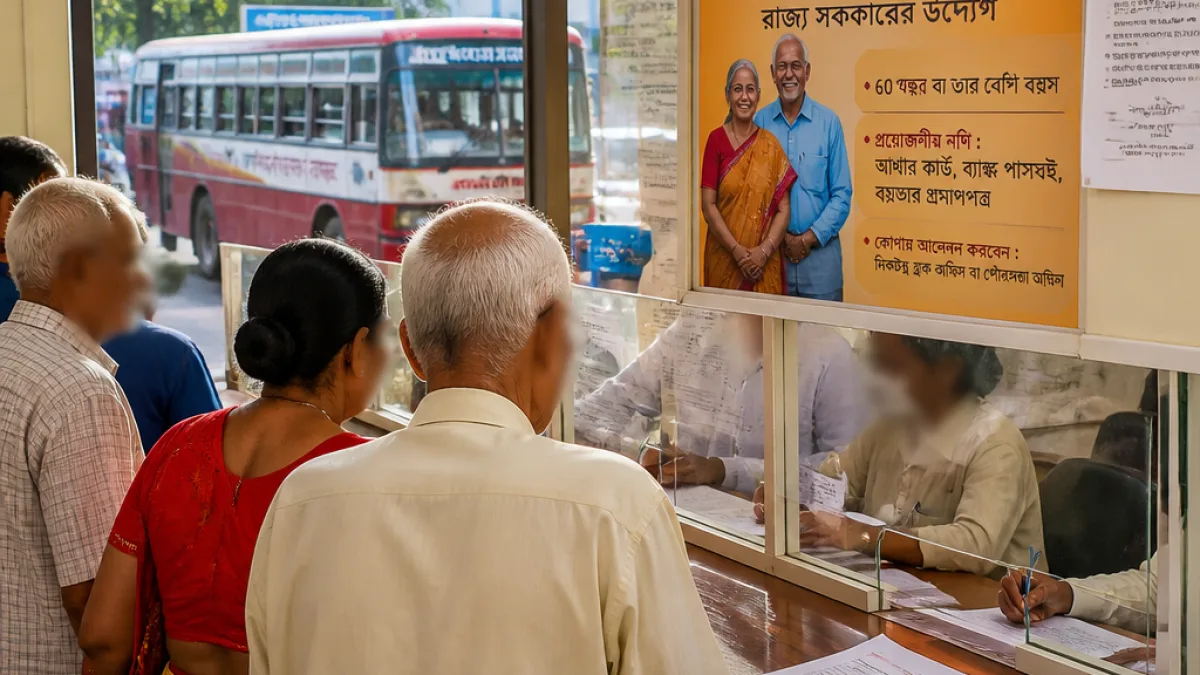
Kolkata: The West Bengal government has announced a welfare package for people who were detained during the Emergency period, offering a monthly pension of ₹10,000, free travel on state-run buses and medical assistance to 325 beneficiaries, Chief Minister Suvendu Adhikari announced on Sunday.
Benefits, eligibility and implementation
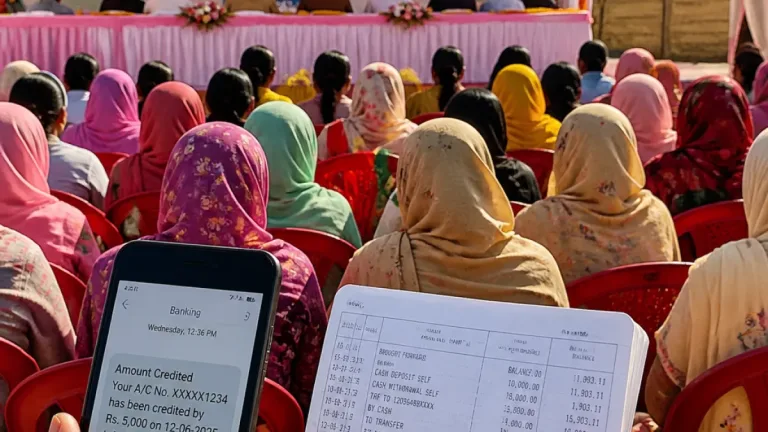
According to the state announcement, each of the 325 identified beneficiaries will receive a monthly pension of ₹10,000. They will also be entitled to free travel on government buses and up to ₹1,000 in medical assistance for treatment at government hospitals. The scheme will extend benefits to the spouse where the original beneficiary is deceased.
| Benefit | Details |
|---|---|
| Monthly pension | ₹10,000 per beneficiary |
| Travel | Free travel on government buses |
| Medical aid | Up to ₹1,000 for treatment at government hospitals |
| Number of beneficiaries | 325 |
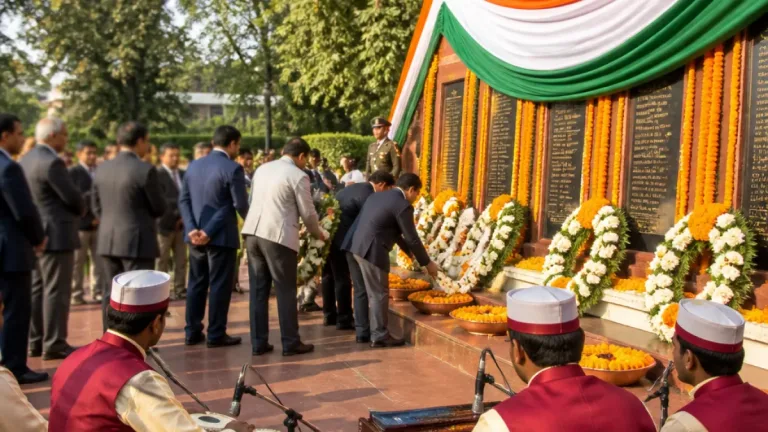
The announcement was made while the chief minister was honouring those detained during the Emergency with an event titled Paschimbanga Lokotantra Senani Samman, the state said. Adhikari described the move as fulfilling a promise and underlined the importance of remembering their role in protecting democratic rights.
“The brave soldiers had to endure a lot of suffering. The new state government stands on the ideals of these brave soldiers,” the chief minister said, according to the state release.
Historical context and political framing
The Emergency, proclaimed on 25 June 1975, led to the detention of political opponents and activists across India. In his remarks, Adhikari recalled that while nearly one lakh people were jailed nationally during the Emergency, around 5,000 were detained from West Bengal, as cited in the state statement. He urged that the younger generation be made aware of the events and the sacrifices made by those who opposed restrictions on democratic freedoms.
The chief minister also used the occasion to criticise previous state administrations. He alleged that successive governments had failed to adequately highlight the contribution of Syama Prasad Mookerjee and argued that the present administration would take steps to commemorate Mookerjee’s legacy, including forming a committee chaired by the chief secretary on 13 August, the release said.
Administrative and financial considerations
The government has not released a detailed financial outlay for the pension scheme or specified the mechanism and timeline for disbursal beyond the statement that the commitment is being fulfilled within 90 days of taking office. Implementation will require coordination between the welfare, transport and health departments to identify beneficiaries, issue travel entitlements and process medical aid claims.
- Benefits apply to the 325 persons identified by the government; in case of death, benefits transfer to spouse.
- Medical assistance is limited to ₹1,000 for treatment at government hospitals.
- Free travel applies to state-run bus services.
Local impact and reaction — what to watch
The measures are likely to have symbolic value for families of those who suffered detention during the Emergency, providing both financial relief and official recognition. Political opponents and civil society groups may scrutinise beneficiary lists, eligibility criteria and the administrative rollout. Observers will also watch for announcements that set out the official verification process, payment schedule and modalities for bus travel passes and health claims.
As the state prepares welfare lists and administrative departments move to operationalise the scheme, beneficiaries and relatives in districts from Kolkata to rural pockets of North and South Bengal will be looking for quick and transparent implementation. The government’s pledge to complete formalities within three months frames expectations for an imminent disbursal timetable.
Further details, including the formal notification and procedural guidelines, are awaited from the state. The announcement follows a series of early policy decisions by the new administration and feeds into wider debates in West Bengal on historical memory and political recognition of past dissent.