
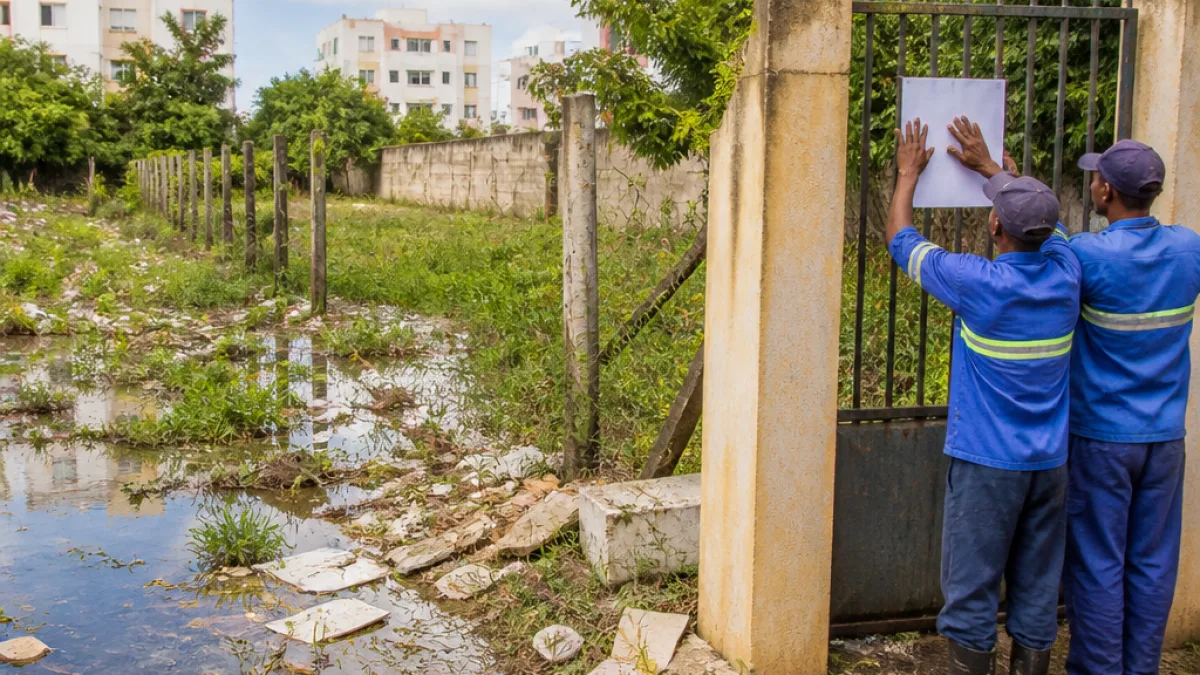
Local bodies in Puducherry are facing a growing sanitary and public-health challenge as numerous vacant plots in residential areas have become informal dumping grounds for household and construction waste. The problem is compounded by thick vegetation and water stagnation, increasing the risk of mosquito breeding and outbreaks of vector-borne diseases such as dengue and chikungunya ahead of the rainy season.
Scale and causes
Oulgaret Municipal Commissioner R. Arun Ayyavu said the local body had identified over 5,000 vacant plots within its limits. While some of the sites are unattended for years, others are fenced but still accumulate waste due to indiscriminate public dumping.
"Ownership details are not available in several cases. When sanitation workers or municipal staff attempt to clear waste from such plots, disputes arise, with some properties being subject to court cases or ownership-related litigation,"
The municipal administration and residents attribute the deterioration chiefly to two factors: illegal dumping by members of the public who deposit bundled waste near street corners or vacant lots instead of using door-to-door collection services, and the inability of civic authorities to trace and hold absentee plot owners accountable.
Public collection system and gaps
The private contractor engaged for solid waste collection in Puducherry operates vehicles for door-to-door collection. Despite this service, municipal officials report that certain households continue to bypass the system and leave bundled refuse in public spaces or on plot perimeters.
Sanitary inspectors have been directed to record addresses and whatever ownership information is available for neglected plots so that enforcement actions and notices can be issued where legally possible. However, officials note that in many cases property records are incomplete or contested, hampering prompt remedial measures.
Health risks and seasonal urgency
Public-health experts and civic staff warn that accumulated solid waste, coupled with overgrown vegetation, creates ideal breeding habitats for Aedes and other mosquito species. With the monsoon approaching, stagnant water collecting in debris or depressions raises concerns that mosquito populations could surge, increasing the probability of dengue and chikungunya transmission in populated localities.
Residents in several neighbourhoods reported that unoccupied plots were strewn with plastic, bottles and construction remnants. Such materials can hold rainwater for days and weeks, becoming persistent breeding grounds.
Measures under way
Authorities have begun issuing advisories to owners of vacant plots to maintain and secure their land, including proper fencing and removal of accumulated waste. Sanitary staff have also been instructed to compile detailed lists of neglected plots and to pursue owners where records permit.
- Advisories sent to plot owners urging cleaning and fencing.
- Sanitary inspectors tasked with tracing ownership and recording site details.
- Municipal teams conducting periodic clean-ups where ownership and legal clearance allow.
Practical implications for residents
For households, the situation underlines the importance of using authorised door-to-door waste collection services rather than dumping refuse in vacant lots. Timely segregation of wet and dry waste and handing it to collection workers can reduce the volume of material that otherwise ends up as litter in neighbourhood plots.
Civic authorities say where ownership can be established they will issue notices and pursue remediation under relevant municipal rules. Where plots are subject to litigation or ownership disputes, municipal intervention is constrained and clean-ups may require court directions or co-operation from cadastral authorities.
Data snapshot
| Issue | Status |
|---|---|
| Vacant plots identified in Oulgaret limits | Over 5,000 |
| Main sources of waste | Household bundling, construction debris, public dumping |
| Primary challenges | Ownership tracing, litigation, non-cooperation by some residents |
Outlook and accountability
Officials say sustained action will require improved property-record transparency, cooperation from plot owners and stricter enforcement against illegal dumping. Municipal teams will likely step up inspections and targeted clean-ups in the weeks before the monsoon, while public-awareness drives are expected to remind residents of proper waste-disposal practices.
The convergence of governance gaps, public behaviour and seasonal rainfall means that addressing the problem of dumping in vacant plots will remain a priority for Puducherry civic authorities in the near term to prevent a public-health setback.












