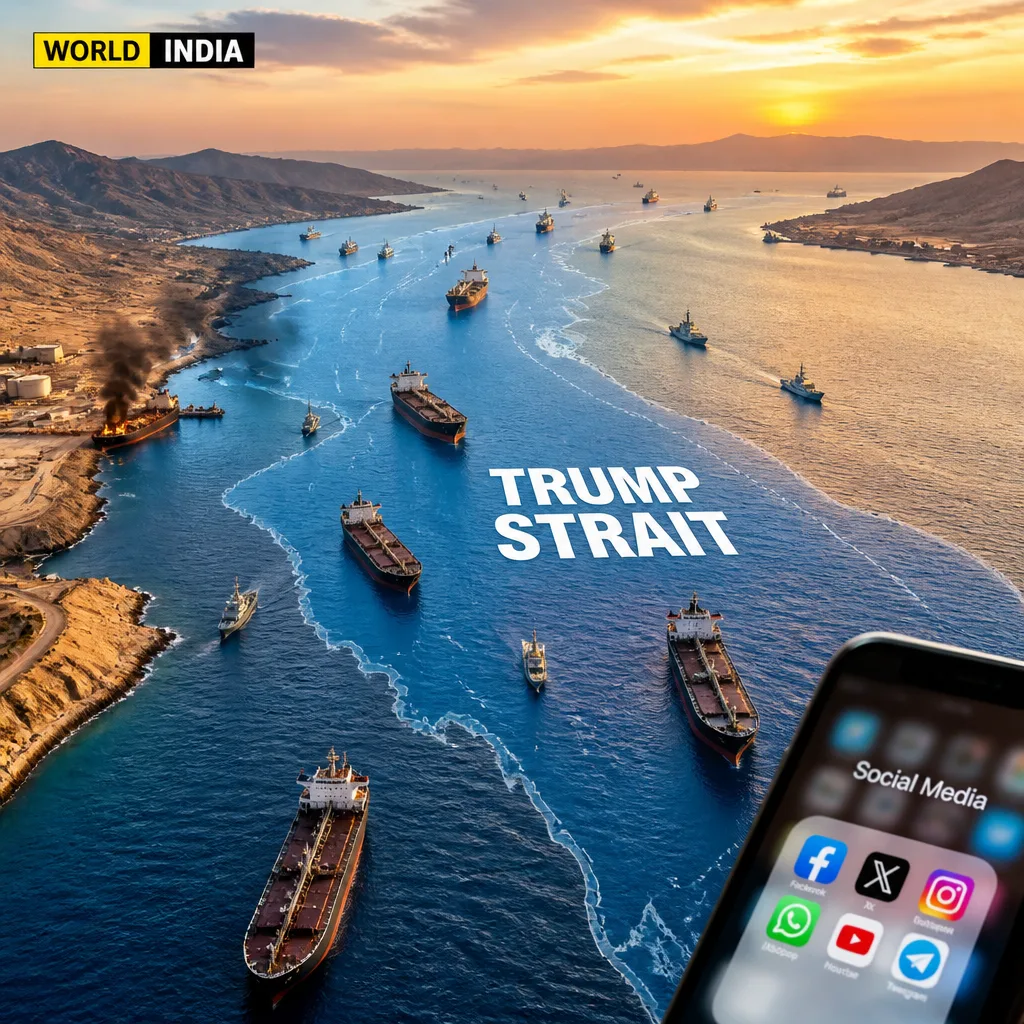
Former US President Donald Trump suggested renaming the Strait of Hormuz as the “Trump Strait” on social media, a move that coincided with a fresh wave of US strikes on Iranian-linked targets and Iranian retaliatory actions that have again put the narrow waterway at the centre of regional tension.
US strikes and Iranian response
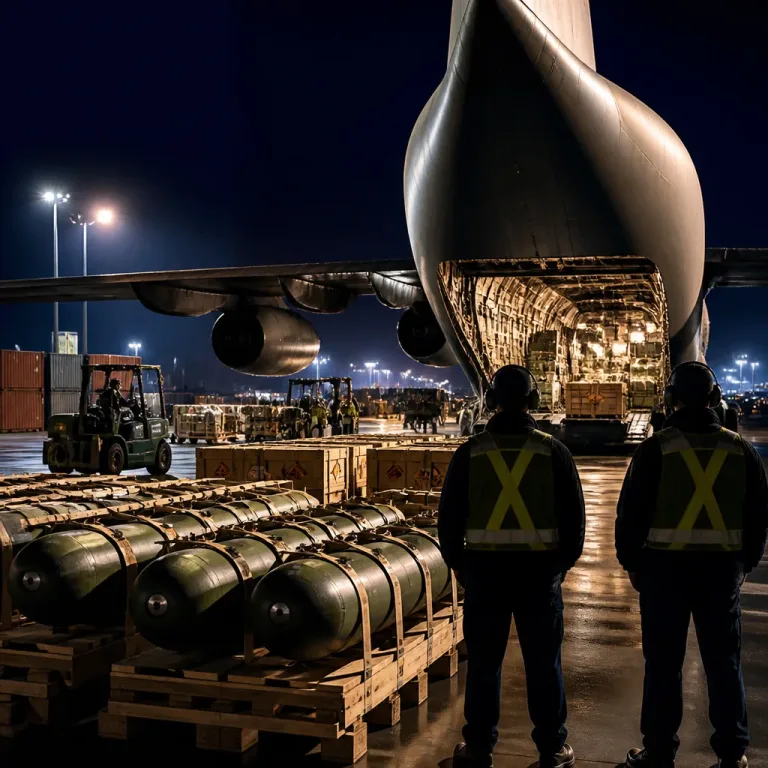
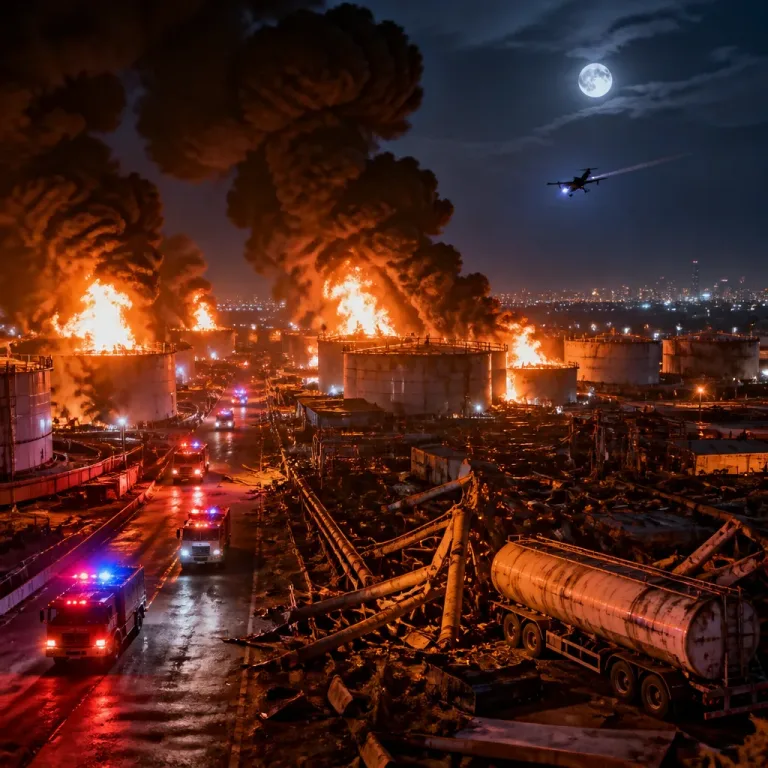
The remarks came a day after US Central Command (CENTCOM) said it carried out strikes on multiple Iranian military targets. CENTCOM identified the targets as air defence sites, radar systems, maritime assets, facilities linked to mine‑laying capabilities and communications sites associated with the Islamic Revolutionary Guard Corps (IRGC).
Iran’s foreign ministry, however, said civilian areas and infrastructure were hit in several provinces and reported that a wedding ceremony in Kuhestak in Sirik County was among the locations affected. CENTCOM responded by saying the US military does not target civilians and pointed to Iranian state media reports as the source of those claims. CENTCOM spokesperson Navy Captain Tim Hawkins said:
“We are aware of reports, which originated from Iranian state media. The U.S. military never targets civilians, unlike the IRGC.”
Following the US strikes, the IRGC announced it had launched retaliatory strikes on US bases in Jordan, Kuwait and Bahrain, and on another US facility in Iraq. The exchanges mark a renewal of direct military activity after roughly a month‑long pause.
Why the Strait matters
The Strait of Hormuz links the Persian Gulf to the wider global shipping network and, before the outbreak of open hostilities, carried about a fifth of the world’s oil. Its narrow channels make it strategically vital: closure or disruption can sharply affect energy markets and shipping routes, with consequences for energy‑importing countries, including India.
- Strategic chokepoint: Connects Persian Gulf oil producers to international markets.
- Economic impact: Any sustained disruption can affect crude prices and shipping insurance costs.
- Military flashpoint: The presence of mine‑laying and maritime strike capabilities raises risks for commercial traffic.
Trump’s history with the name
This was not the first time Trump had made light of attaching his name to the strait. Earlier in the year he jokingly referred to the waterway as the “Strait of Trump” during a speech in Miami and later said he would “pretty soon” declare the strait a territory of the United States. The White House amplified the latest suggestion by posting a map that labelled the waterway “Trump Strait” alongside the message that “it’s got a nice ring to it.”
Iranian officials have rejected such notions, with senior diplomats saying the strait cannot be seized by social media posts or unilateral declarations. Tehran argues that any attempt to assert sovereignty or control over the strait would be illegal under international law and would risk escalation.
Operational details cited by CENTCOM
CENTCOM said one recent action targeted launchers on Larak Island that were allegedly preparing to fire rockets carrying naval mines into the strait. The command portrayed the strikes as aimed at limiting the IRGC’s ability to threaten commercial shipping and regional stability.
| Item | Reported by CENTCOM / Iranian claims |
|---|---|
| Types of targets struck | Air defence sites, radar, maritime assets, mine‑laying facilities, communications sites |
| Iranian response | Retaliatory strikes on US bases in Jordan, Kuwait, Bahrain and a US facility in Iraq |
| Alleged civilian impact | Iran reported civilian areas and infrastructure hit, including a wedding ceremony |
For India, which imports a large share of its crude oil, any instability in the Strait of Hormuz is consequential. Disruptions can translate into higher import bills and complicate energy security planning. New Delhi has historically sought to keep sealanes open and has engaged diplomatically with Gulf states and other stakeholders to safeguard commercial shipping.
The suggestion to rename the strait is largely symbolic, but in a highly charged environment such gestures can have diplomatic reverberations. Legal experts note that international waterways are governed by long‑standing conventions and unilateral renaming by one country does not alter navigational rights or sovereignty.
As tensions remain elevated, maritime operators and regional states will be watching closely for further military movements, potential threats to commercial traffic and diplomatic efforts to de‑escalate the situation.